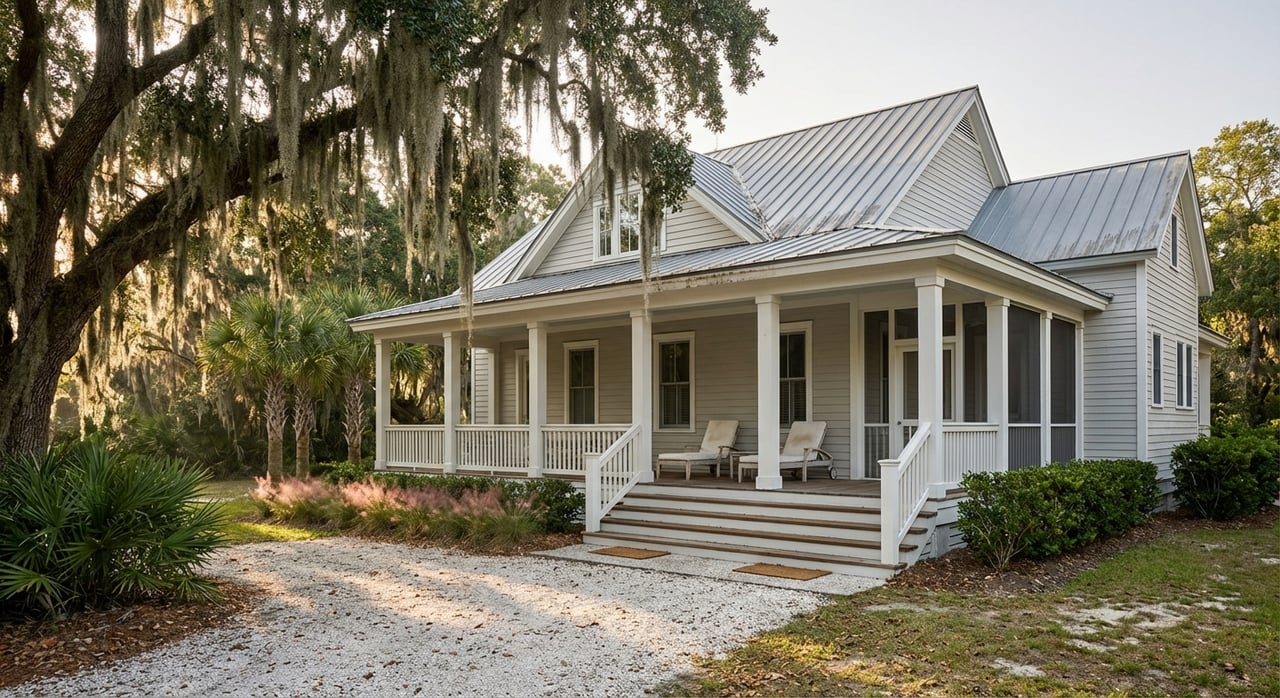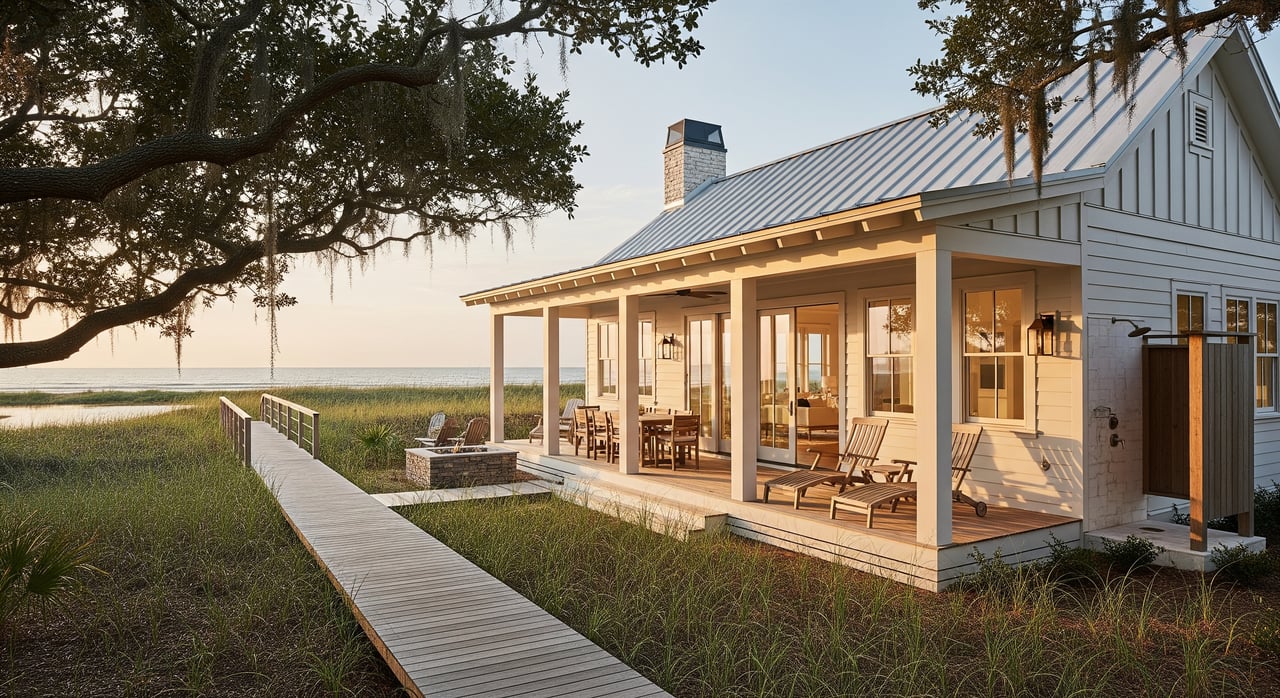
Every house on Jekyll Island has an end date. The State of Georgia owns all of the land on the island. The Jekyll Island Authority leases lots to homeowners, who own the house and its improvements only for the years left on the lease. Current residential leases end anywhere from 2049 to 2088.
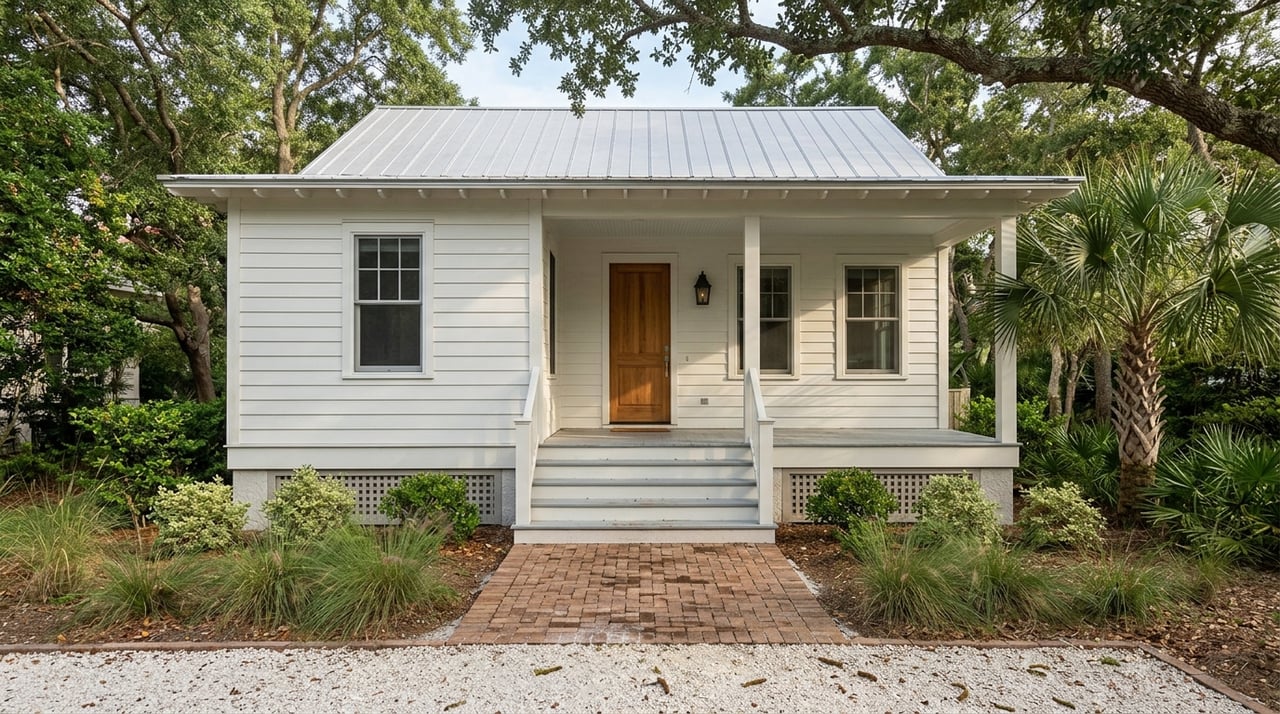
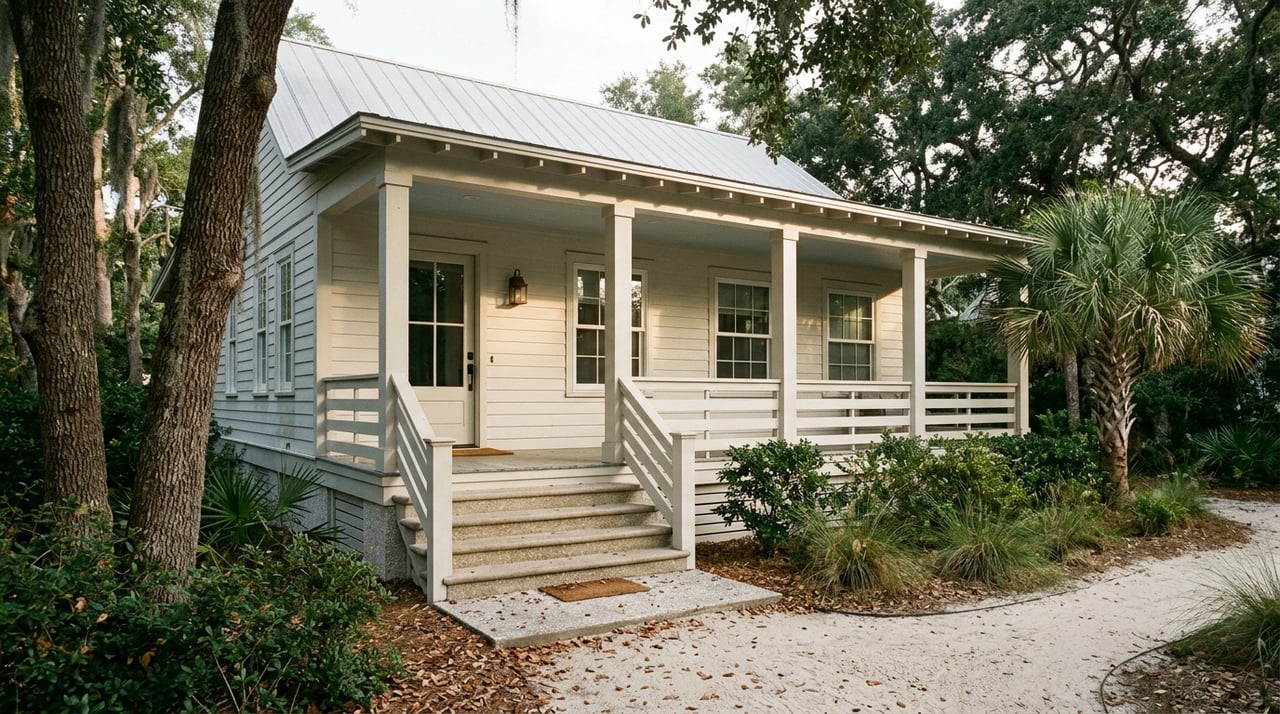
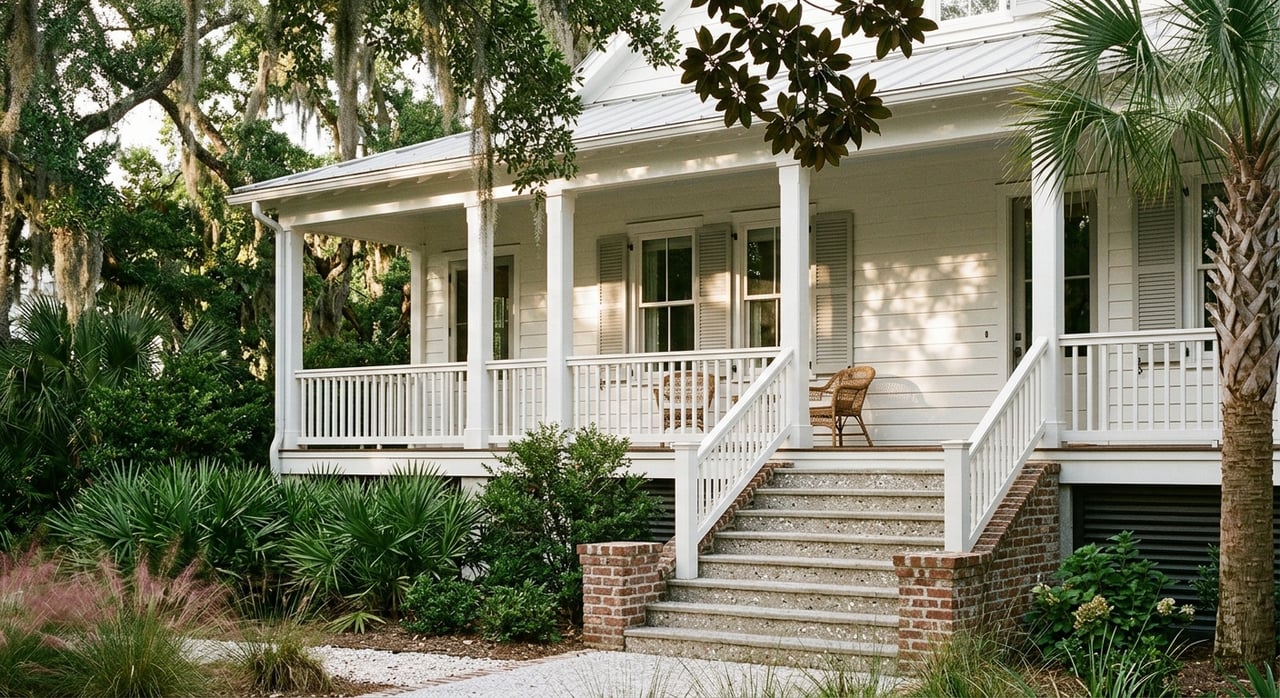
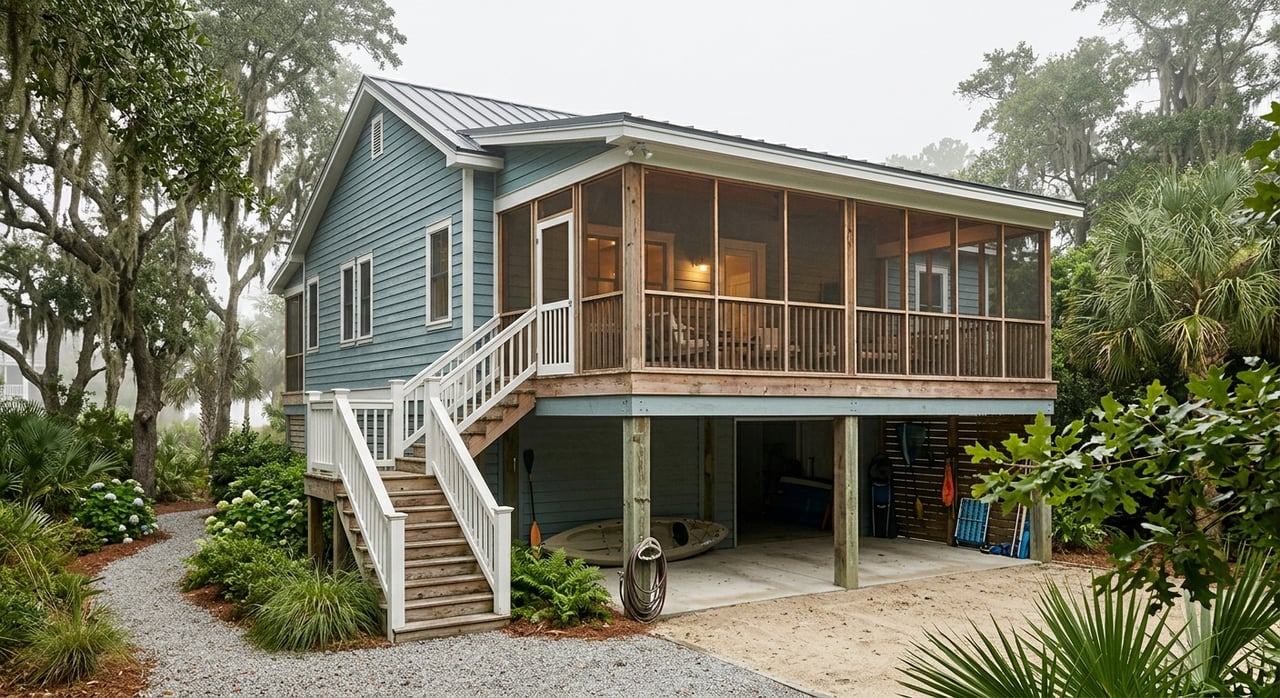
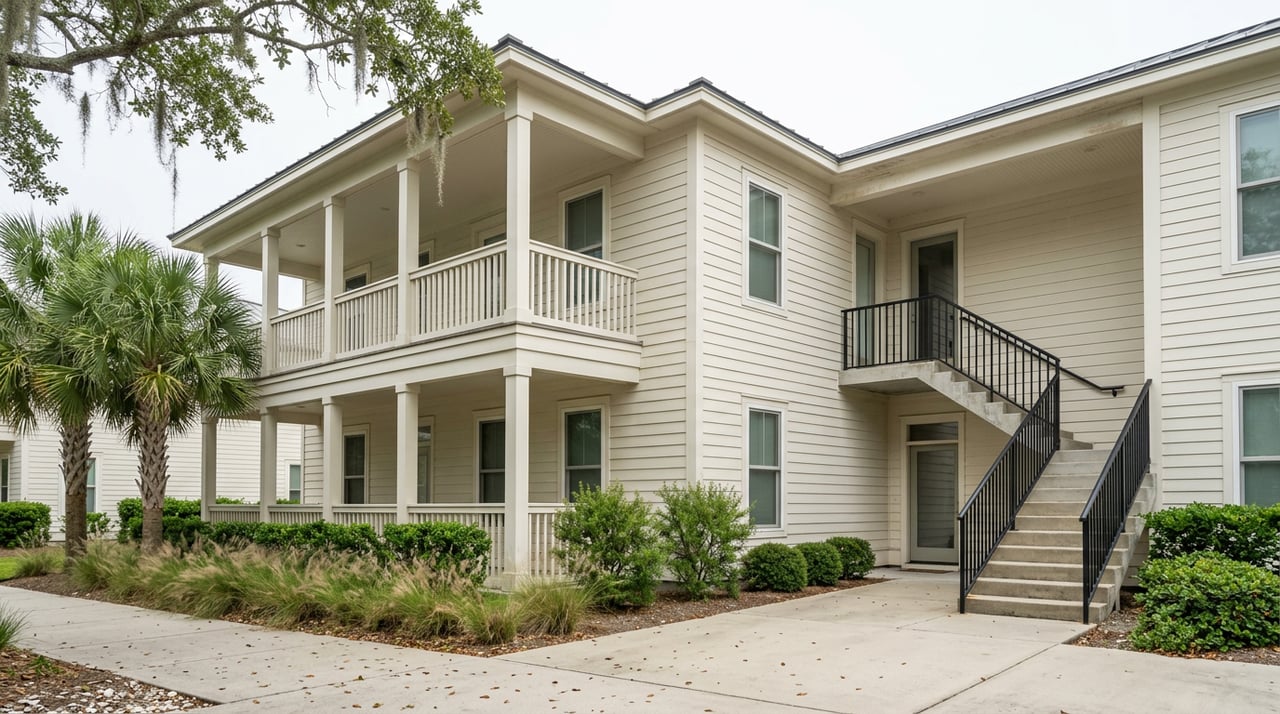
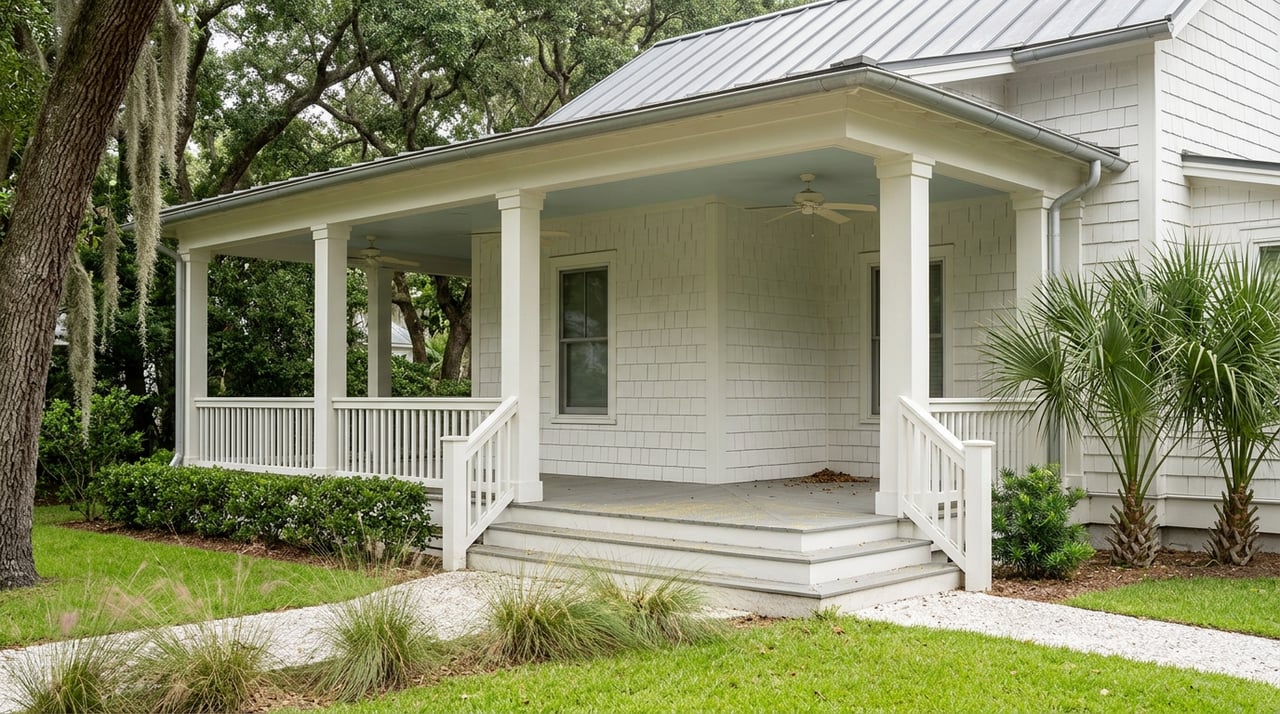
That date does more than fix how long an owner keeps the house. It also caps how long a mortgage the next buyer can get. A long loan, a shorter loan at a higher monthly payment, or no loan at all: the lease year decides which of these a buyer faces. As a result, two Jekyll cottages that look the same in listing photos can draw two different sets of buyers. The lease year is printed in the documents, not in the photos.
The rule every lender starts from
The main mortgage programs all measure the same thing, which is how many years the lease runs after the loan is paid off.
Fannie Mae's Selling Guide says the lease must have an unexpired term that "exceeds the maturity date of the loan by five (5) years or more." Freddie Mac's Seller/Servicer Guide, Section 5704.1, says the leasehold "must run for at least five years beyond the maturity date of the Mortgage." VA's rule asks for much more. Under 38 CFR 36.4354, a leasehold has to run "for a period of not less than 14 years from the maturity of the loan."
The table applies those rules to a purchase closing this month, October 2026. The figures are rounded to whole years. The exact month a lease ends and the exact closing date can shift each one by a year either way.
| Program | Required cushion past loan payoff | Lease must run to about this year for a 30-year loan | Longest loan on a lease ending in 2049 |
|---|---|---|---|
| Fannie Mae conventional | 5 years | 2061 | About 18 years |
| Freddie Mac conventional | 5 years | 2061 | About 18 years |
| VA | 14 years | 2070 | About 9 years |
A buyer looking at a home whose lease runs to 2088 can choose any of these programs and any standard term. On a 2049 lease, the longest conventional loan is roughly 18 years, and a VA loan tops out at about 9 years. The price can be the same in both cases, but the shorter payoff period means a much higher monthly payment. Some buyers who qualify easily for one of these houses will not qualify for the other.
The deadline moves every year
These limits are not fixed. They slide one year closer with every calendar year, for every house on the island, whether the house is listed or not.
Take a hypothetical lease that ends in 2061 and apply the conventional five-year rule:
- A buyer closing in October 2026 can take a 30-year loan maturing in 2056, which leaves the five years Fannie Mae and Freddie Mac require.
- A buyer closing in 2027 can get about 29 years.
- A buyer closing in 2031 can get about 25 years.
- A buyer closing in 2036 can get about 20 years. A VA buyer in that year would be limited to a loan ending around 2047.
None of these changes require the house, the island, or the market to change. The calendar alone does it. For an owner with a mid-range lease date, this affects plans to sell. The pool of buyers who can finance a standard 30-year loan shrinks a little each year the house stays off the market. An owner planning to keep a property for a decade can look up the lease year now and work out which loan terms the next buyer will have when the sale happens.
The appraisal has to spell out the lease
Lenders do not leave lease terms in the fine print. Fannie Mae's appraisal guidance requires the appraiser to write a "thorough, clear, and detailed narrative" of the lease terms and restrictions. The appraiser must also "discuss what effect, if any," those terms have on value and marketability.
Comparable sales are where this matters. The guide tells appraisers to use closed sales with similar leasehold interests when enough exist. If there aren't enough, they may use sales with different lease terms, or fee-simple sales if needed. They must then adjust "to reflect the market reaction to the different lease terms or property rights appraised."
The Jekyll Island Authority says the island has more than 600 private residences. Their lease dates are spread across almost four decades. In any given stretch of months, there may be few recent sales of comparable homes with lease dates close to the subject property's. The guide allows for that by letting appraisers use sales with different lease terms and adjust for the difference. Appraisers are required to explain that adjustment in writing, so a buyer can ask to see that part of the report.
Why the dates can't simply be pushed later
Since the lease date limits financing, an obvious question is whether a homeowner can get the lease extended. The answer depends on a state law from 1950.
Under O.C.G.A. § 12-3-241, the State's lease of the island to the Authority ran 99 years starting February 13, 1950. The law extends it automatically by another 40 years when that first term ends. The extra 40 years came from HB 214 in 2007. Together, the two terms run to 2089. Residential leases already run as late as 2088, so the newest leases end about one year before the Authority's own lease does.
The Authority said this directly in March 2026, in a document about a commercial project. When it sought proposals for a hotel at the Jekyll Island Golf Club, a respondent asked whether the ground lease could run longer than 2089. The Authority's written answer, dated March 11, 2026, said:
"The legislatively constrained limit as of today is 2089. However, the State of Georgia will have to decide whether to extend that date in the future to retain a 30-year or more financing buffer for lenders."
That answer was about a hotel, not about homes. The ceiling it describes, however, is the statute, and the statute covers the whole island. The Authority's published residential materials do not describe any current program for extending residential leases. Anyone whose plans depend on a later expiration date should confirm the details with the Authority and with the signed lease itself.
What happens when the lease runs out
Lenders insist on that cushion because of what the standard residential lease says happens at the end. The Authority's FAQ says owners may remove or relocate their improvements at their own expense during the final two years of the lease. They must then restore the lot to a vacant lot under Glynn County permits and ordinances. At expiration, "title to all improvements remaining on the land vests with the JIA."
A cash buyer does not have to meet the five-year or 14-year lender rules, because there is no lender. The vesting clause still applies to every owner. Buyers paying cash for a short-dated lease get more of the next sale's buyers as cash buyers too, because financing on that home only gets more limited as the years pass.
Costs that come on top of the mortgage
The shorter loan is only one part of the monthly cost. The Authority lists three standing costs that come with leasehold ownership.
- Annual lease rent. Rent is 0.4% of the land's fair market value as set by the Glynn County Tax Assessor, subject to any discounts in the lease. The Authority's example is $860 a year on land valued at $215,000.
- Property taxes. These are paid in addition to the lease rent.
- Maintenance fees. The Authority lists fire fees, utilities, and property maintenance.
- Rental charges, if the home is rented. Overnight rentals, short-term or long-term, require a rental license from the Authority. They also carry percentage rent of 3% of gross rental revenue, which can change by ordinance and is paid the same way as the Georgia hotel-motel tax.
These costs are the same no matter when the lease ends. The mortgage payment is what changes. A buyer financing a 2049 lease over about 18 years pays all of the costs above plus a payment sized for a short payoff period. A buyer on a 2088 lease pays the same costs alongside a 30-year payment. If the plan is to rent the home out, lower principal-and-interest payments are what make rental income easier to cover the costs.
Lenders also differ in how familiar they are with this. Saint Simons Mortgage, a local lender, says it has financed many properties on Jekyll. It also says not every lender understands leasehold underwriting.
Quick answers
Where do I find a specific home's lease expiration?
The Authority's public page gives only the island-wide range of 2049 to 2088. For questions the page doesn't answer, the Authority lists its number as 912-635-4000.
Can a lender count on a lease extension that hasn't happened yet?
Fannie Mae says no. Its guide says the lender "must not rely on contingent, conditional, or unexercised renewal, or extension options" to meet the minimum term. The 2089 statutory ceiling also limits how far any lease can currently run.
Does state law let lenders protect themselves on these leases?
Yes. O.C.G.A. § 12-3-245 caps lot leases at no more than 99 years. It also lets the Authority include protections for mortgagees and other lenders in its leasehold contracts. Whether a particular lender will finance a particular home still depends on that program's remaining-term rule.
This is general information, not legal or financial advice. Confirm every date and loan term with the Authority, your lender, and the signed lease. If you're comparing Jekyll homes, or deciding when to sell or rent one you already own, Linda Williams and the team at Coastal Georgia Real Estate can pull the lease year for each property you're considering and work out which loan terms it supports this year and in the year you plan to sell. Schedule a free consultation and bring the addresses.