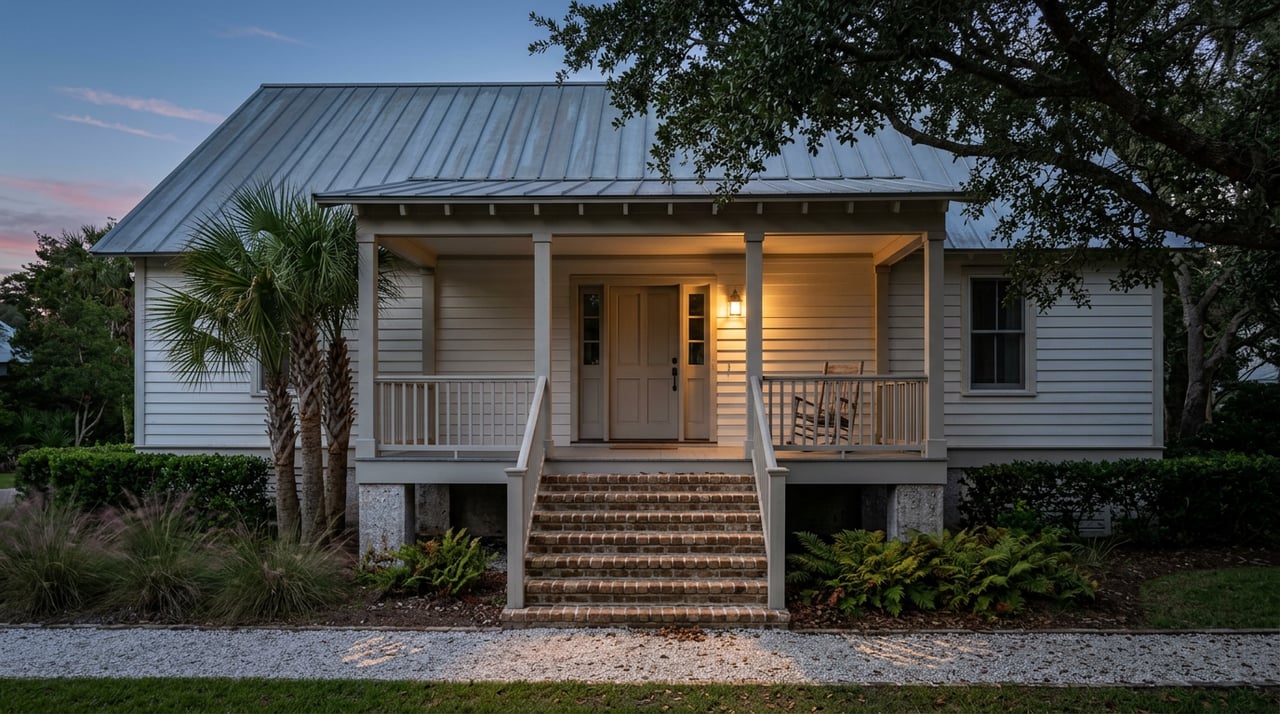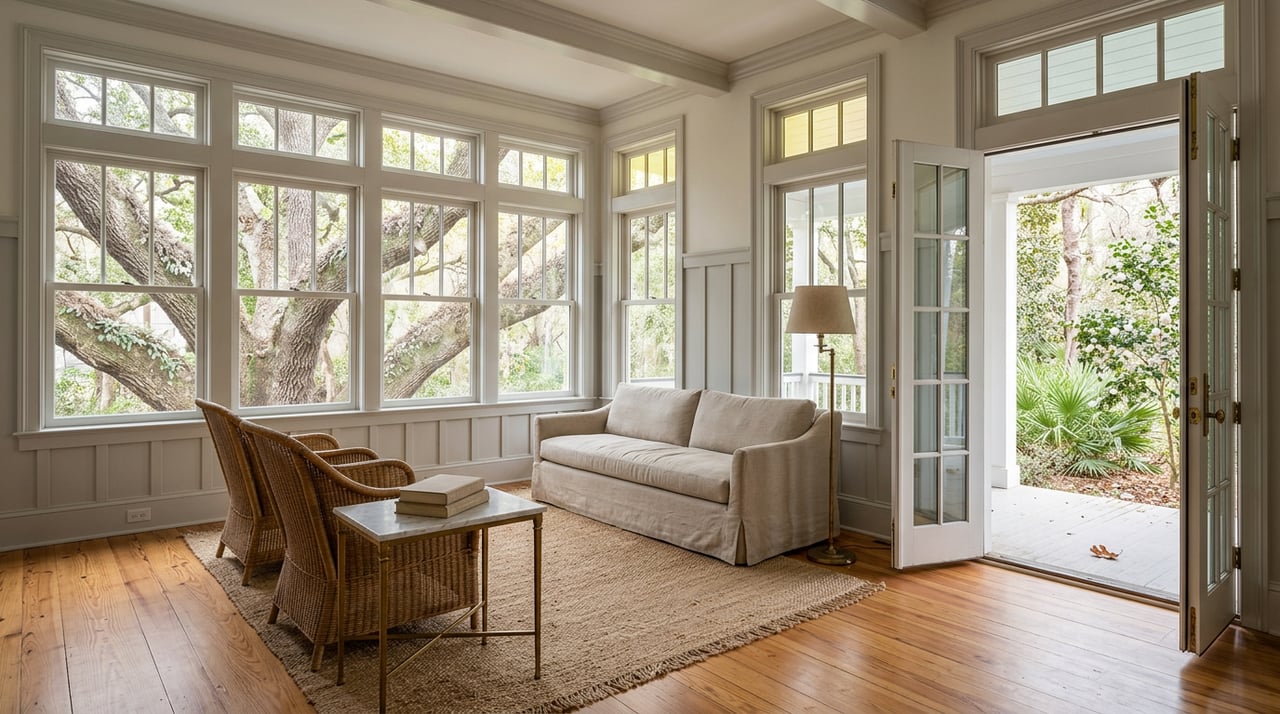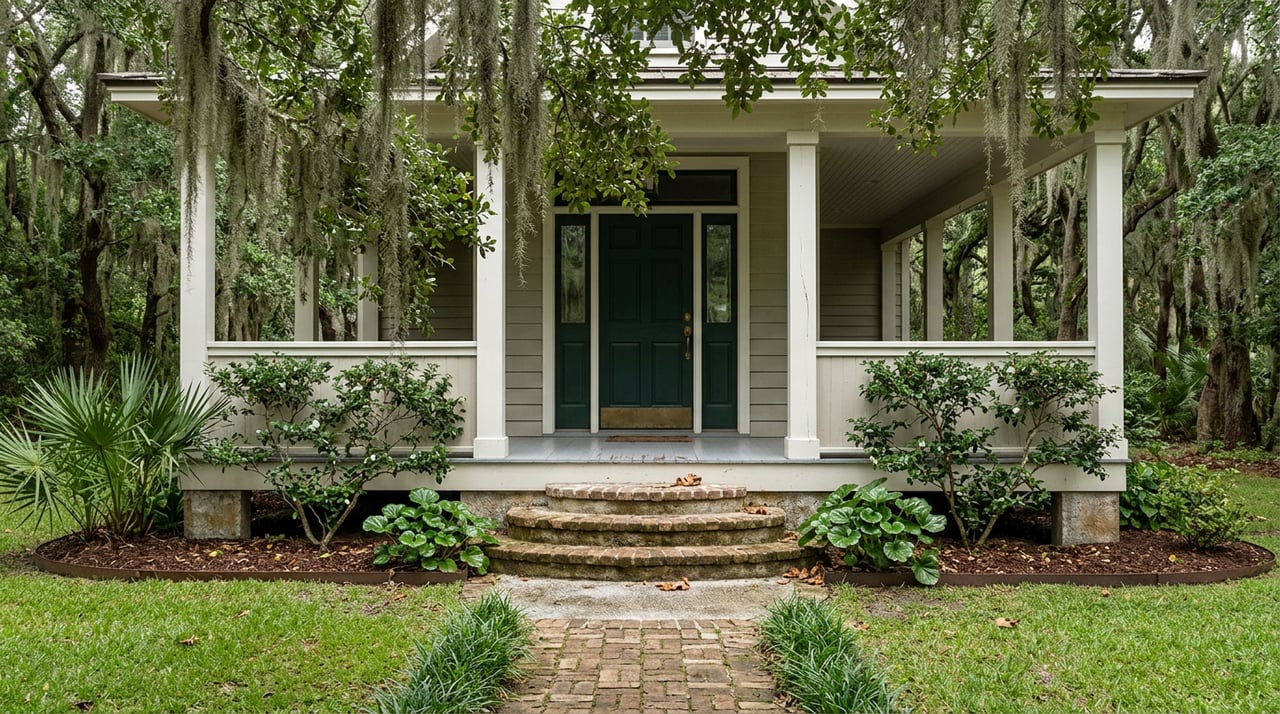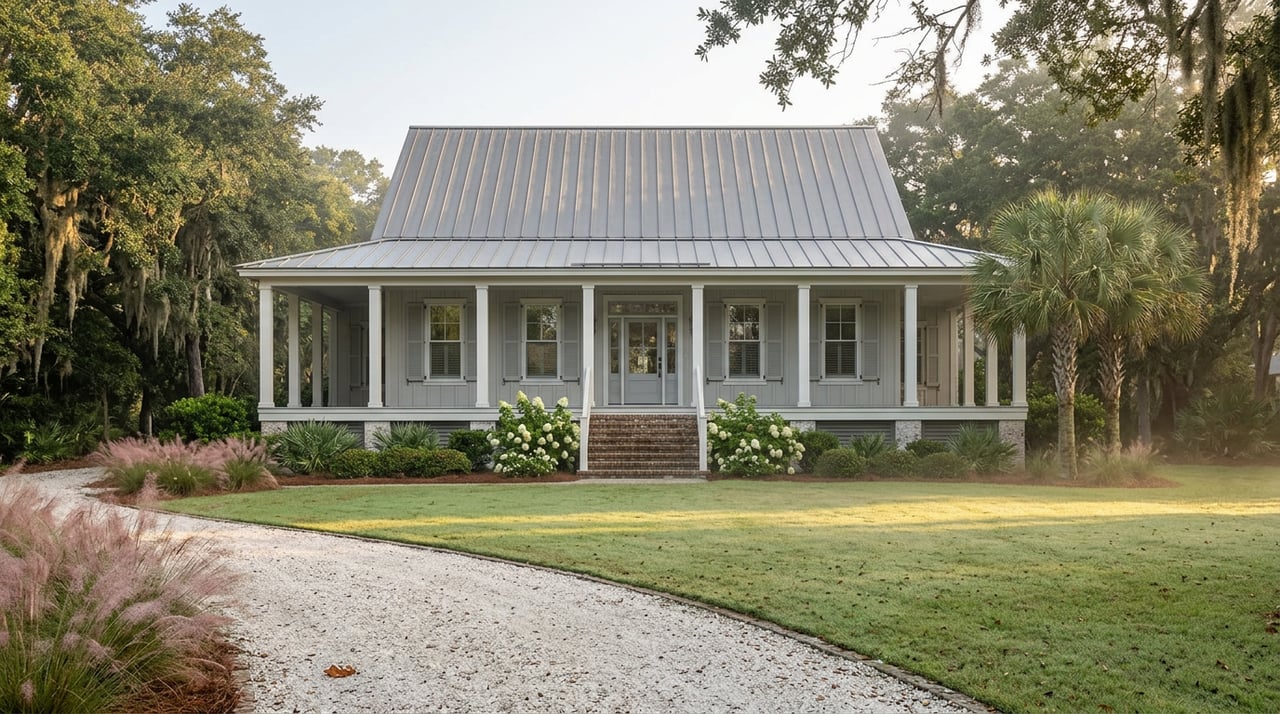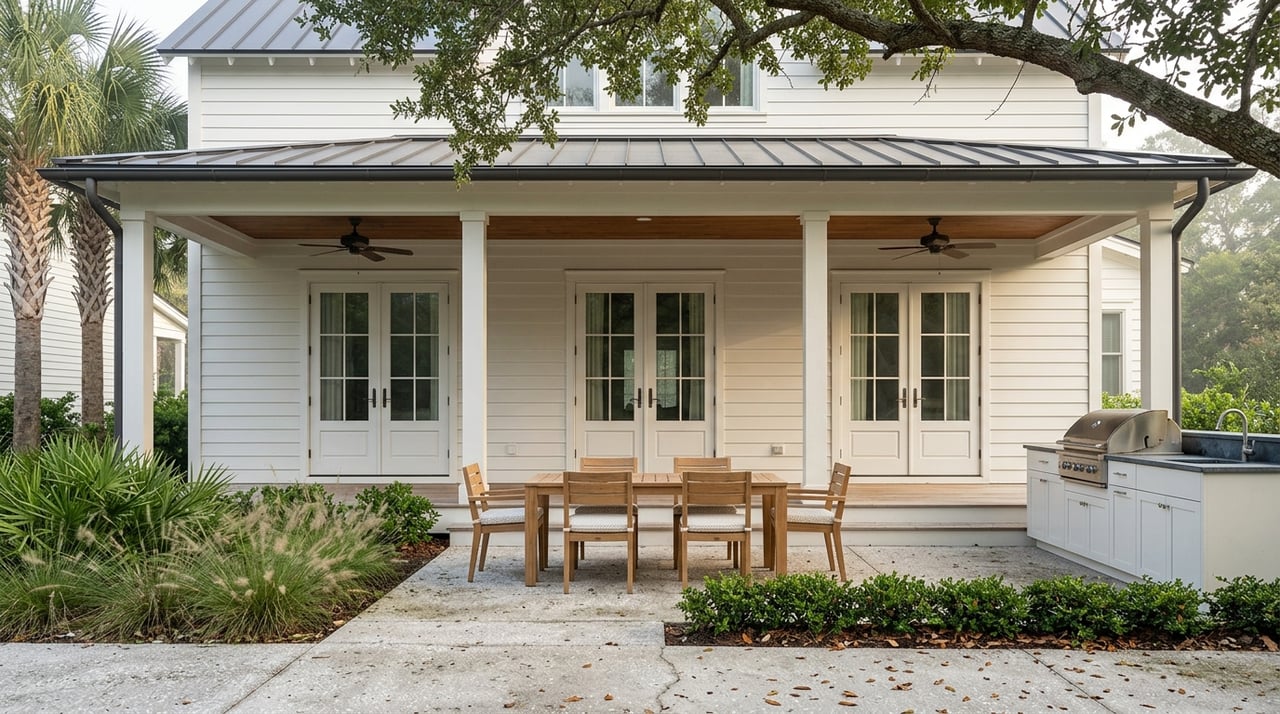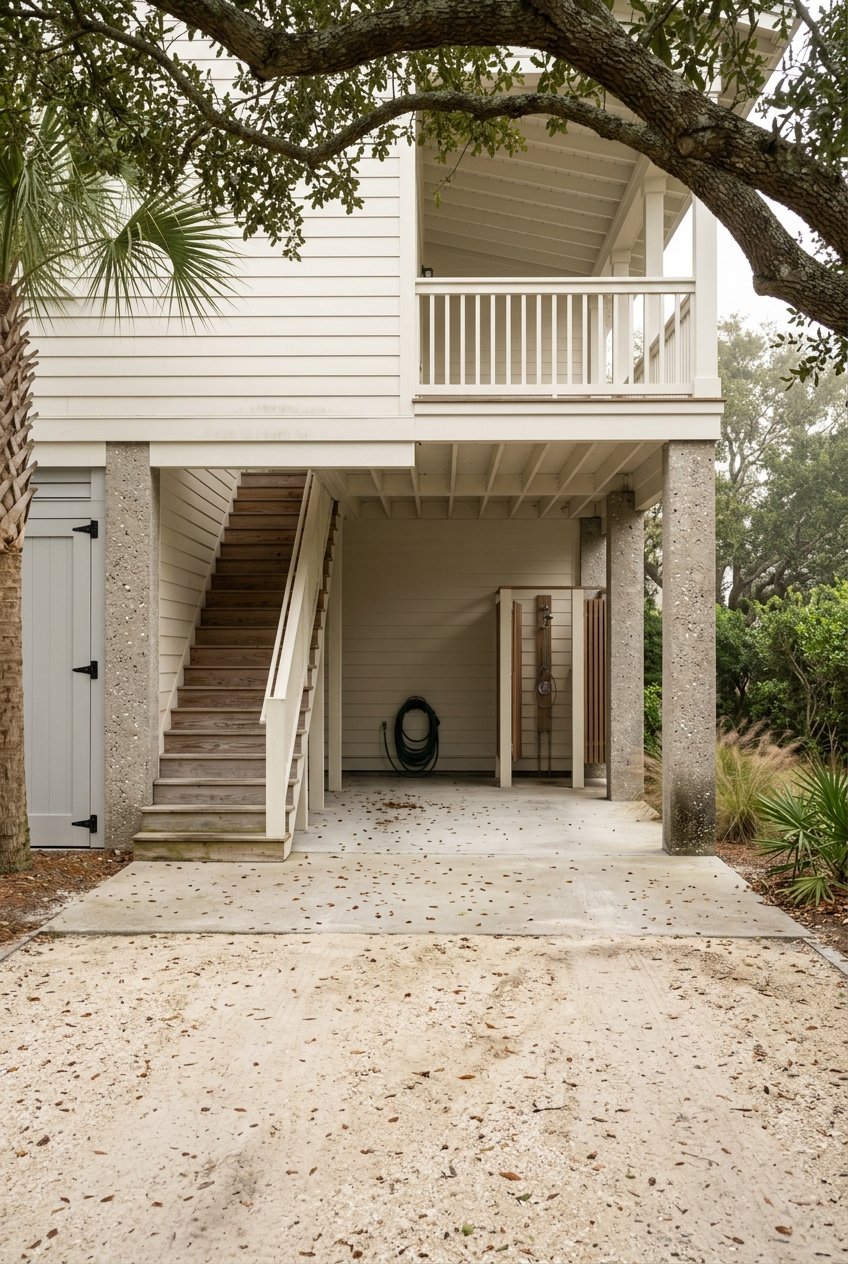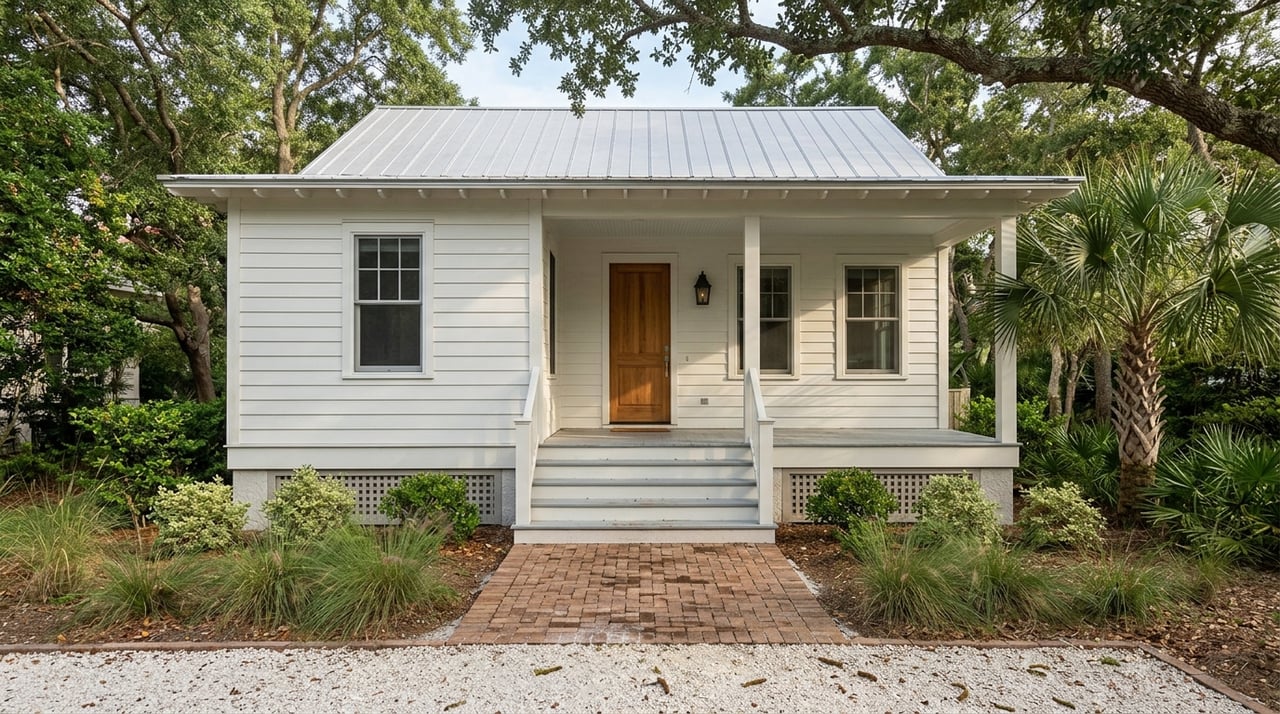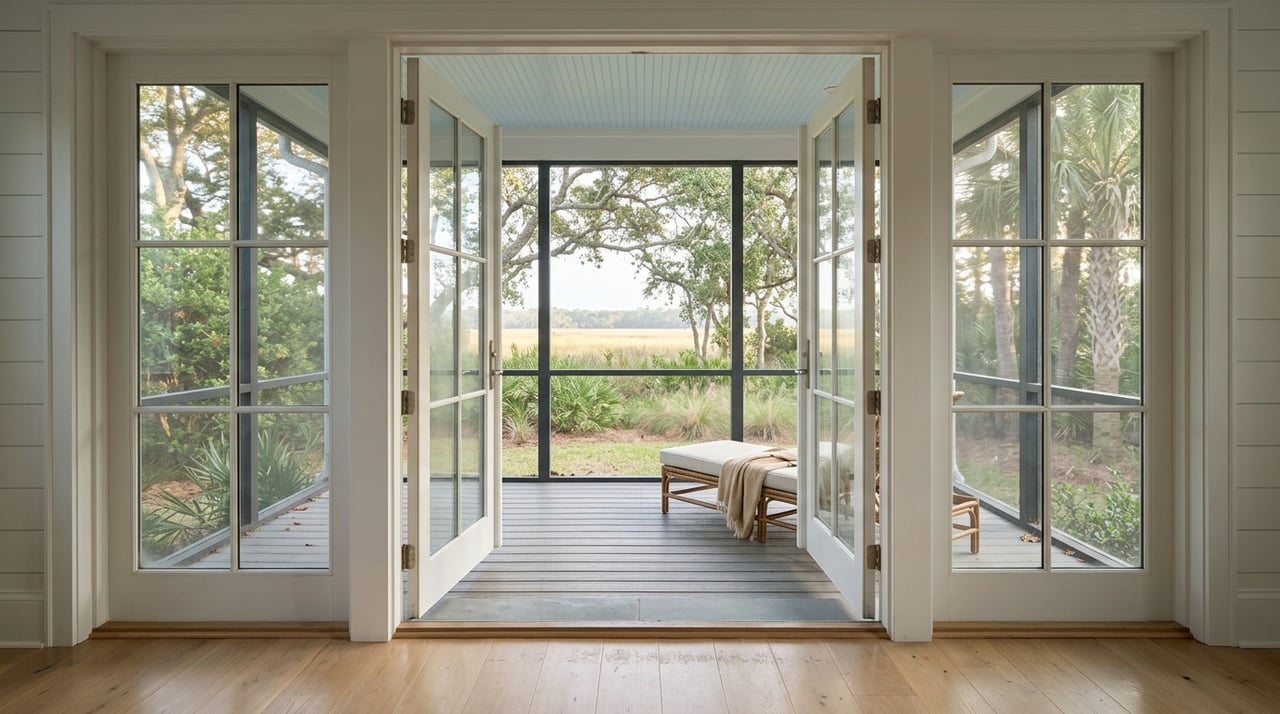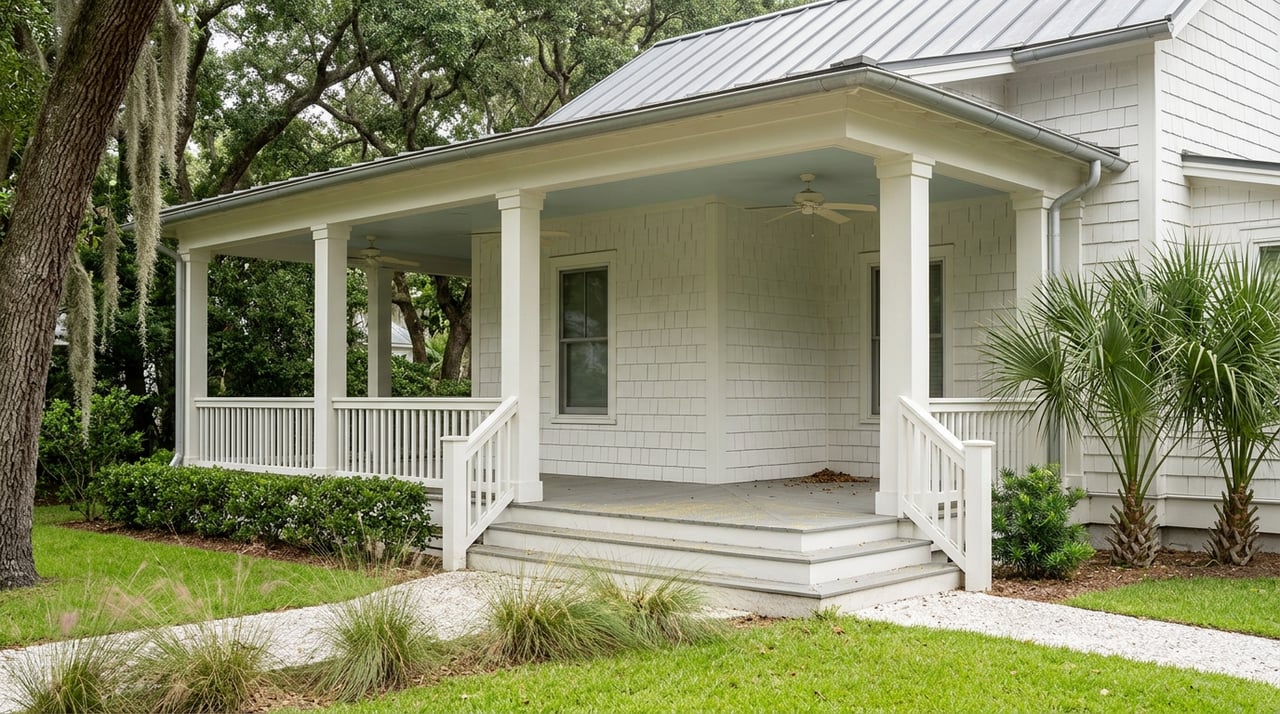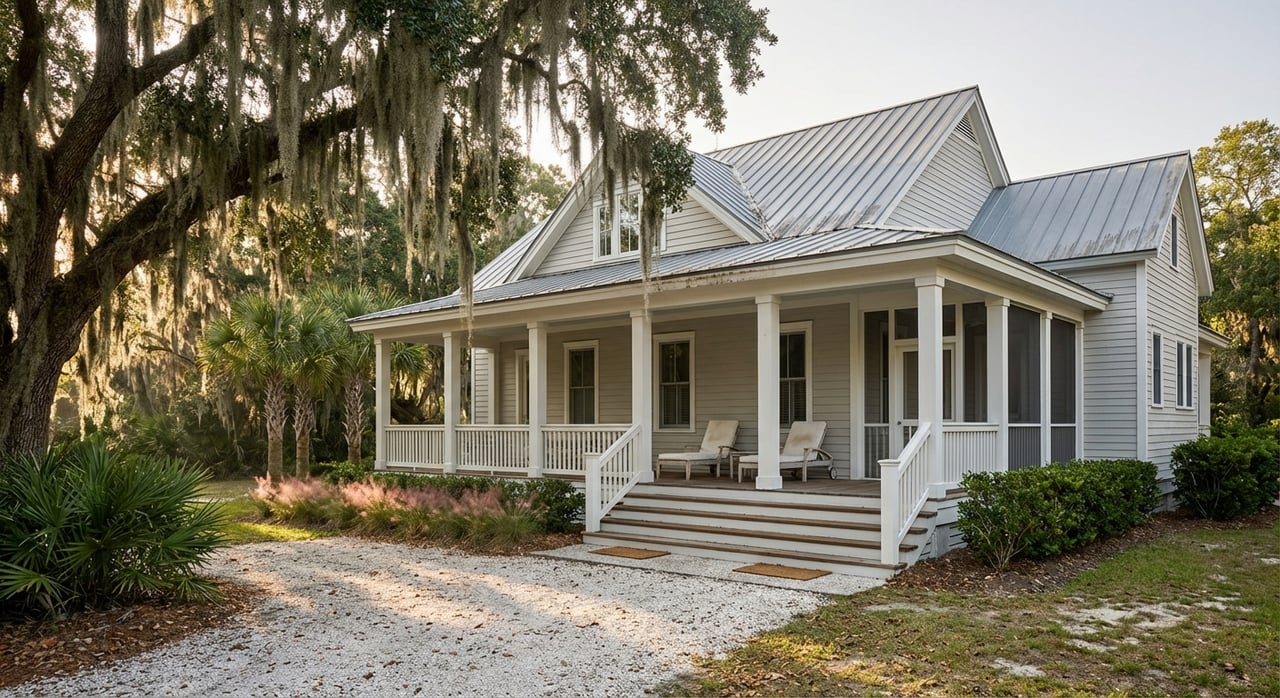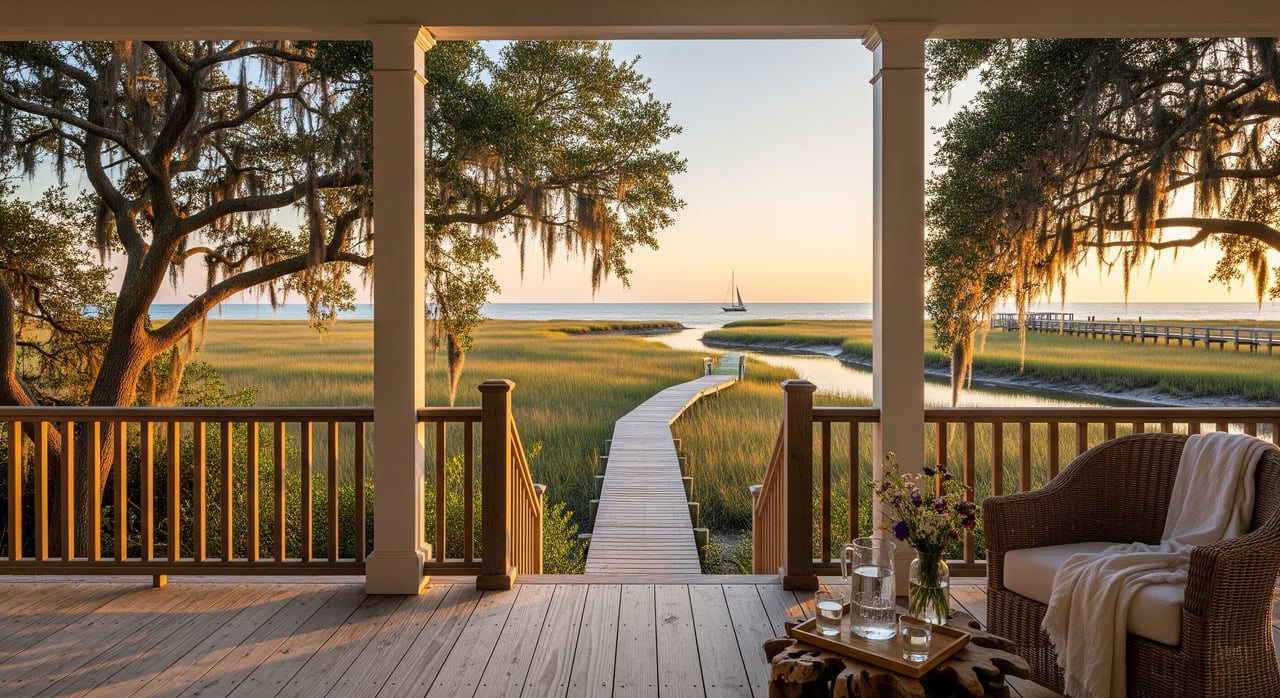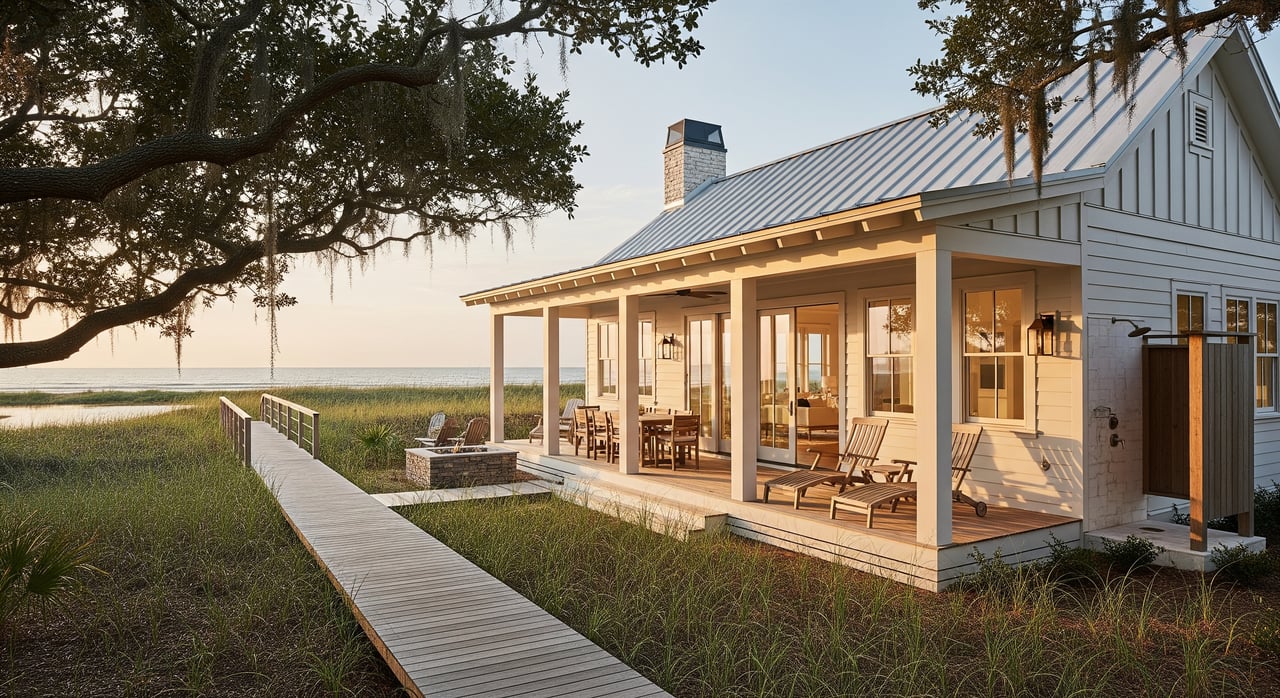
Dreaming about a second home on Sea Island is the easy part. The bigger question is how to enjoy it without turning ownership into a long-distance job. If you are thinking about buying, already own, or plan to rent your property when you are away, it helps to understand how Sea Island ownership really works day to day. This guide will walk you through the practical side of owning and managing a second home on Sea Island, from taxes and rental rules to storm prep and local oversight. Let’s dive in.
Why Sea Island Appeals to Second-Home Owners
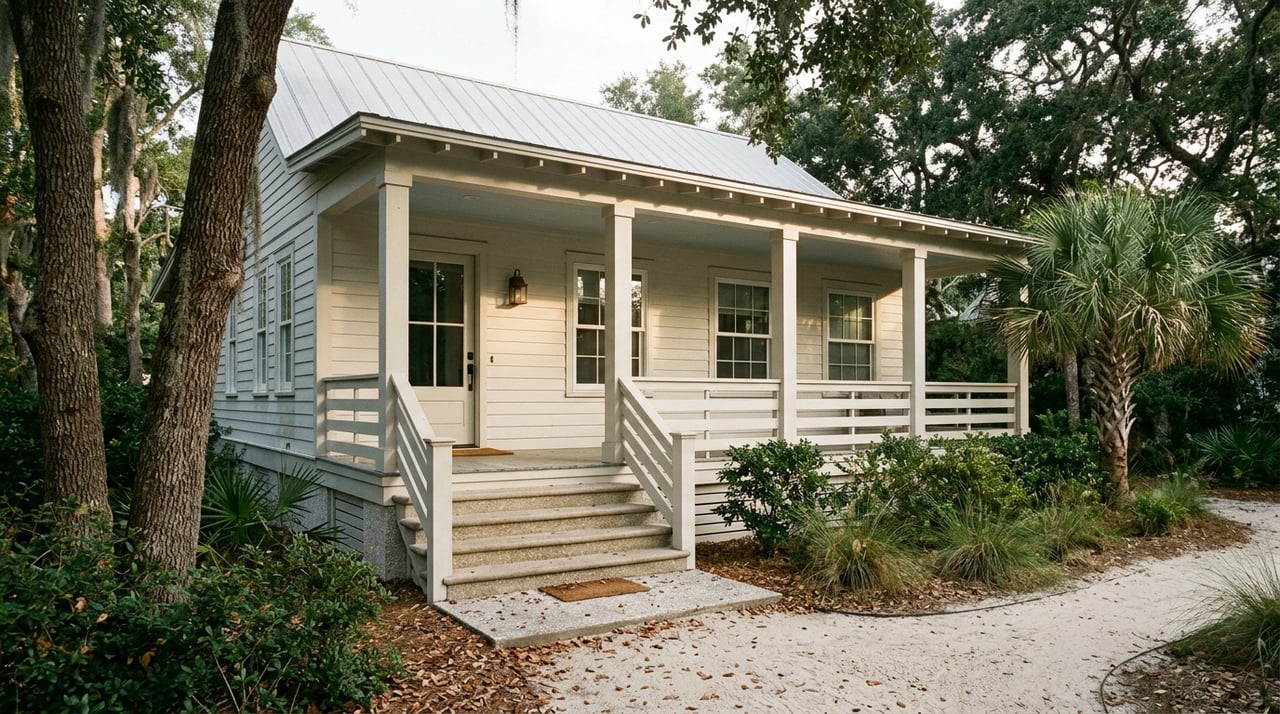
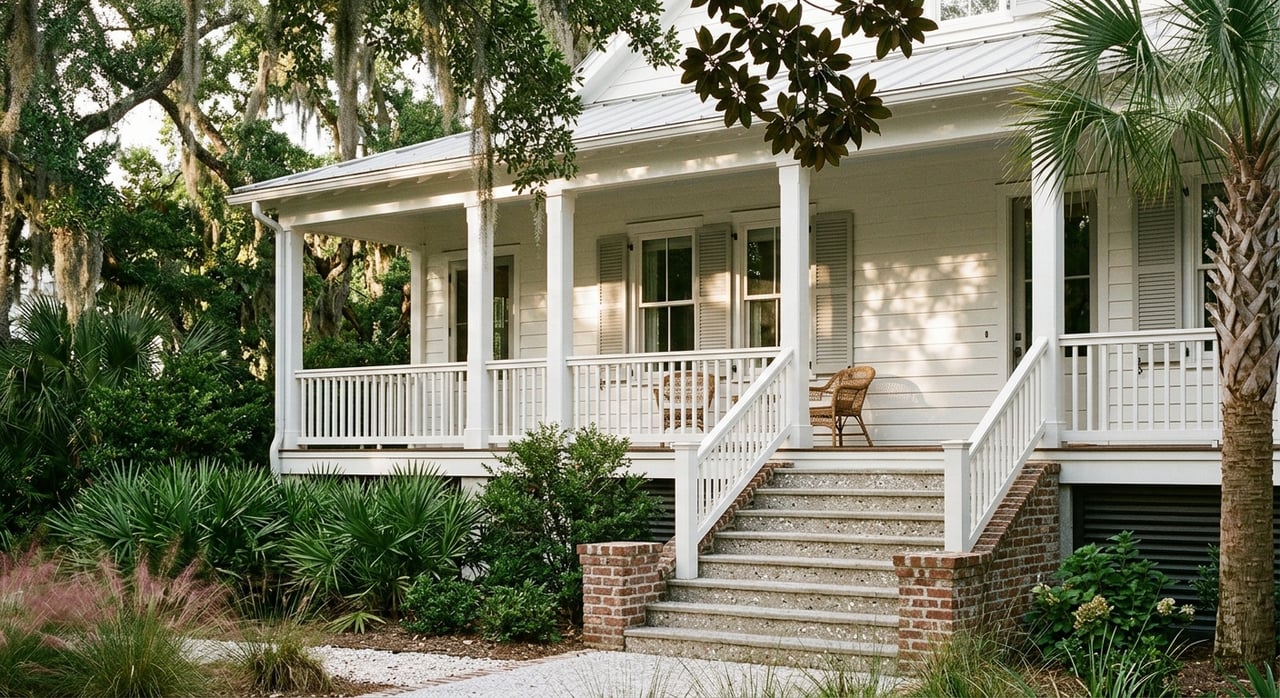
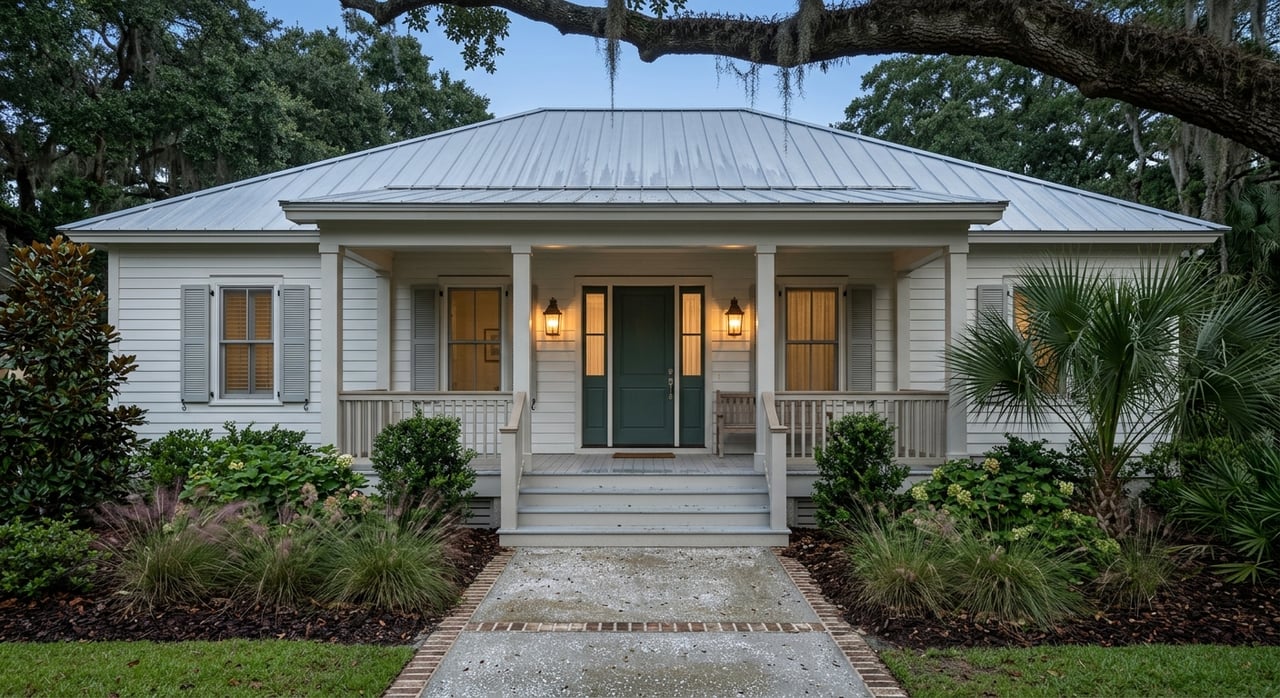
Sea Island offers a very specific kind of coastal ownership experience. It is a private resort island on Georgia’s southeastern coast, and the resort describes a long-established luxury setting that includes private beach access, golf, dining, spa, tennis, cottages, and hotel accommodations.
For many second-home buyers, that mix matters. You are not just buying a house near the coast. You are buying into a setting where privacy, controlled access, and resort-style amenities shape the ownership experience.
Sea Island has also been a destination since 1928, which gives the area a long-standing identity as a place people return to again and again. If your goal is a home that supports seasonal living, family stays, and a well-managed coastal lifestyle, Sea Island fits that profile well.
What Ownership Looks Like in Practice
Owning a second home on Sea Island is often different from owning a primary residence. You may spend part of the year elsewhere, host family and guests, and need help keeping the property ready between visits.
That is why management matters as much as location. When a home sits empty for stretches of time, small issues can become bigger problems if no one is nearby to respond quickly.
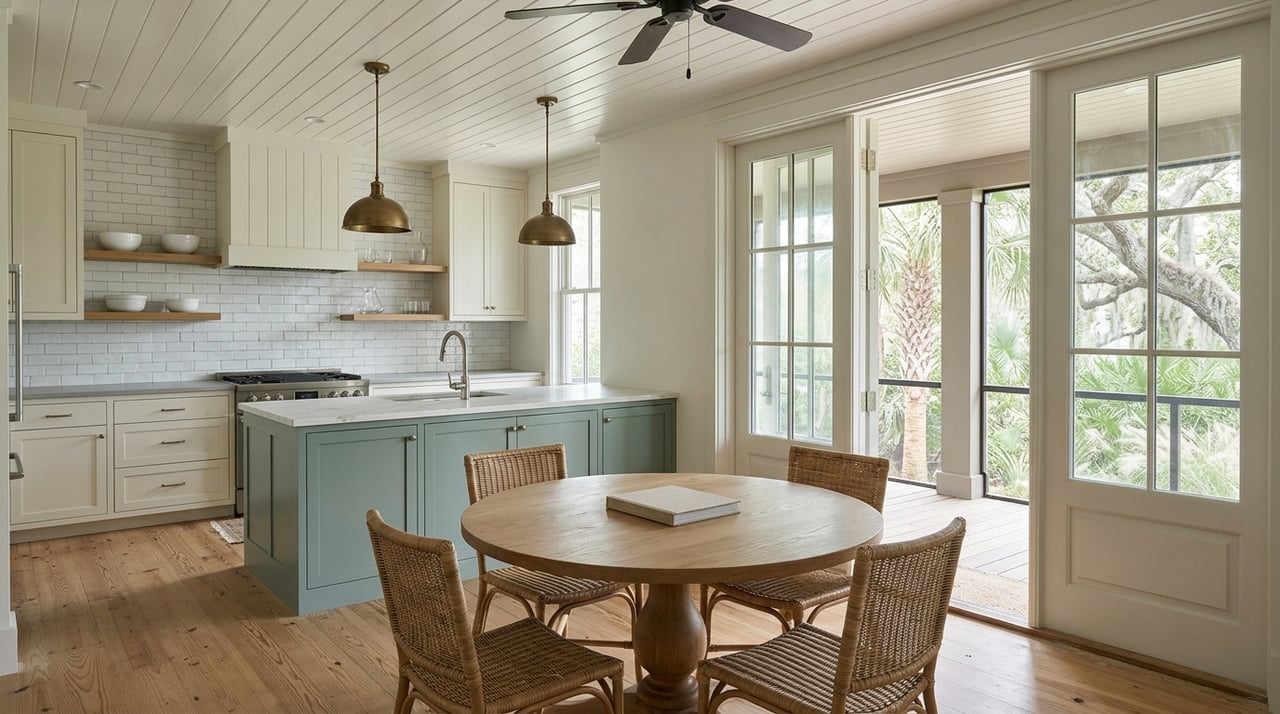
Sea Island’s own cottage program gives useful context for what managed ownership can look like. The resort highlights concierge support for dining reservations, activity bookings, grocery delivery, transportation, package receipt, and optional housekeeping, along with practical features like equipped kitchens, laundry, Wi-Fi, beach club access, and controlled check-in through a security gate and vehicle access decals.
Even if your home is not part of that exact program, the takeaway is clear. Life on Sea Island runs more smoothly when someone local can coordinate access, timing, services, and property care while you are away.
Glynn County Rules Shape Ownership
Sea Island falls under Glynn County’s island-focused planning framework. The county’s Islands Planning Commission covers Sea Island, St. Simons Island, and Little St. Simons Island.
That matters because ownership decisions are not only about the home itself. Renovations, rental use, maintenance planning, and other property decisions all sit within the county’s local framework.
If you are buying a second home here, you should expect local rules and local processes to play a meaningful role in how you use and maintain the property. A knowledgeable local real estate and property management partner can help you stay organized and avoid surprises.
Understand Taxes Before You Buy
One of the most important points for second-home buyers is occupancy status. Glynn County ties homestead exemption eligibility to a property that is both owned and occupied as your legal residence as of January 1 of the tax year.
In plain terms, a typical second home usually does not meet that primary-residence standard. If you are comparing costs between a primary home and a vacation property, this is an important part of your planning.
Before you buy, make sure you are looking at ownership costs with second-home use in mind. That includes property taxes, insurance planning, maintenance, and any rental-related compliance if you expect to generate income.
Renting Your Sea Island Home Short Term
Some owners use their second home only for personal stays. Others want the option to rent the property during part of the year. If you plan to rent for short stays, Glynn County has clear rules you need to follow.
The county requires a short-term rental certificate for properties rented for less than 30 consecutive days. The county also says these rules were created to set uniform standards for noise, parking, trash, and accommodation taxes.
Depending on how your property is used, you may also need an occupation tax certificate. Glynn County states that this certificate is required for all businesses and for individuals renting six or more properties.
Key Short-Term Rental Requirements
If you plan to rent your second home for short stays, local compliance is not something to handle casually. Glynn County’s ordinance materials include operational standards such as:
- Working smoke detectors in every bedroom and on all habitable floors
- Working carbon monoxide detectors in every bedroom and on all habitable floors
- A properly maintained and charged fire extinguisher
- Weekly trash service
- Parking that complies with county rules
- Only one party of guests per dwelling unit
These details may sound simple, but they require ongoing oversight. If you live out of town, routine checks and vendor coordination become a big part of successful ownership.
Accommodation Tax Basics
For short-term rentals in Glynn County’s unincorporated area, the accommodation excise tax is 7%. The county says returns and payments are due by the 20th of the following month.
This is another reason local support can be valuable. When you are balancing personal use, guest stays, turnovers, and tax deadlines, having a dependable local point of contact can make the process much easier to manage.
Why Local Management Matters
A second home on Sea Island often needs more than occasional help. It needs consistent oversight.
Sea Island’s cottage housekeeping description shows just how detailed that support can be. Full-service housekeeping may include cleaning kitchens and baths, making beds with fresh linens, dusting, vacuuming, cleaning porches and patios, and cleaning grill areas.
For absentee owners, that kind of attention is not just about convenience. It helps protect the property, keeps the home ready for your arrival, and supports a better experience for guests if you rent the property.
A local property manager can also help with:
- Scheduling cleaners and turnover services
- Coordinating maintenance vendors
- Managing property access and arrival timing
- Checking the home between stays
- Responding quickly to urgent issues
- Helping keep rental operations aligned with county requirements
When you live elsewhere, peace of mind usually comes from knowing someone local is paying attention.
Storm and Flood Planning Is Part of Ownership
On Sea Island, weather readiness is part of the ownership model. This is a coastal barrier-island setting, and that means flood and storm planning should be built into how you manage the home.
Glynn County is clear that homeowners insurance does not cover flood losses. The county says flood insurance is available through the National Flood Insurance Program and notes that a new policy generally has a 30-day waiting period before it becomes effective.
That timing matters. If you wait until a storm is approaching, you may be too late to put coverage in place.
Renovation and Permit Considerations
Floodplain rules can also affect improvement plans. Glynn County states that floodplain development requires permits and that elevation certificates are required for floodplain permits.
The county also says that substantial improvements equal to or greater than 50% of a building’s market value must meet requirements that apply to new construction. If you are planning major updates to a second home, it is wise to understand these rules early.
On a coastal property, maintenance and renovation timing can be just as important as design choices. Good planning helps you avoid delays and budget surprises.
Emergency Alerts and Response
Absentee owners should also have an emergency communication plan. Glynn County’s CodeRED system sends recorded phone, text, and email alerts for urgent situations such as evacuation orders and routes, fires, floods, utility outages, and other immediate threats.
The county encourages property owners to register because the 911 database alone is not enough. Glynn County EMA also offers a real-time dashboard with storm-surge and outage information, and its preparedness guidance emphasizes knowing your alert methods, evacuation routes, shelter plans, household communication plan, and emergency kit needs.
If your home is empty when a weather event is approaching, local response matters. Someone on the ground can help prepare the property before the storm and assess conditions afterward.
Smart Questions to Ask Before Buying
If you are considering a second home on Sea Island, a few practical questions can help you make a better decision:
- Will this be personal-use only, or do you want rental flexibility?
- What are the full ownership costs without a homestead exemption?
- Who will check on the property when you are away?
- Who will coordinate housekeeping, maintenance, and vendor access?
- What is your storm-preparation plan?
- Will you need help with short-term rental compliance and turnovers?
These questions do not take away from the lifestyle appeal. They help support it. When the logistics are handled well, you are free to enjoy the home the way you intended.
A Concierge Approach Fits Sea Island
Sea Island second-home ownership tends to work best when it is supported by a concierge mindset. Controlled access, coastal conditions, guest coordination, housekeeping, and local compliance all reward a hands-on, organized approach.
That is especially true if you live out of state or split your time between homes. You need more than someone to open a door for a vendor. You need a trusted local partner who understands the property, the timing, and the details that protect your investment.
Whether you plan to keep the home for private use, rent it seasonally, or do both, thoughtful management can make ownership feel easy instead of demanding.
If you are exploring a second home on Sea Island and want guidance that covers both the purchase and the day-to-day realities of ownership, Linda Williams offers local insight, hands-on support, and full-service property management tailored to coastal owners.
FAQs
What should you know about homestead exemption for a Sea Island second home?
- Glynn County says homestead exemption applies to property that is owned and occupied as your legal residence as of January 1, so a typical second home usually does not qualify.
What are the short-term rental rules for a Sea Island property?
- Glynn County requires a short-term rental certificate for rentals of less than 30 consecutive days, along with compliance for operational standards such as parking, trash, guest limits, and safety equipment.
What tax applies to short-term rentals in Glynn County?
- Glynn County lists a 7% accommodation excise tax for qualifying short-term rentals in the unincorporated area, with returns and payments due by the 20th of the following month.
Why is local property management helpful for a Sea Island second home?
- Local management can help coordinate cleaners, vendors, access, inspections, turnovers, and urgent response when you are away from the property.
What should Sea Island owners know about flood insurance?
- Glynn County states that homeowners insurance does not cover flood losses, and it notes that flood insurance policies generally have a 30-day waiting period before a new policy becomes effective.
How can absentee owners get emergency alerts in Glynn County?
- Glynn County encourages property owners to register for CodeRED to receive urgent alerts by phone, text, and email for events such as evacuations, floods, fires, and utility outages.