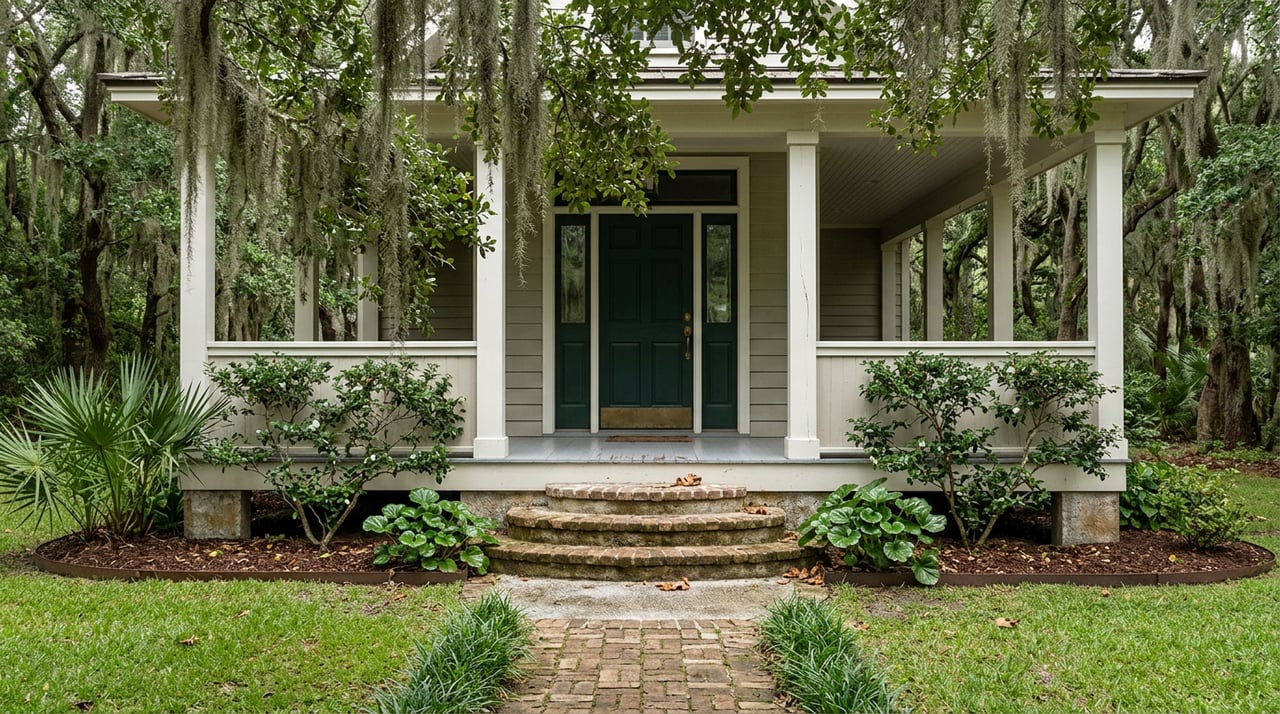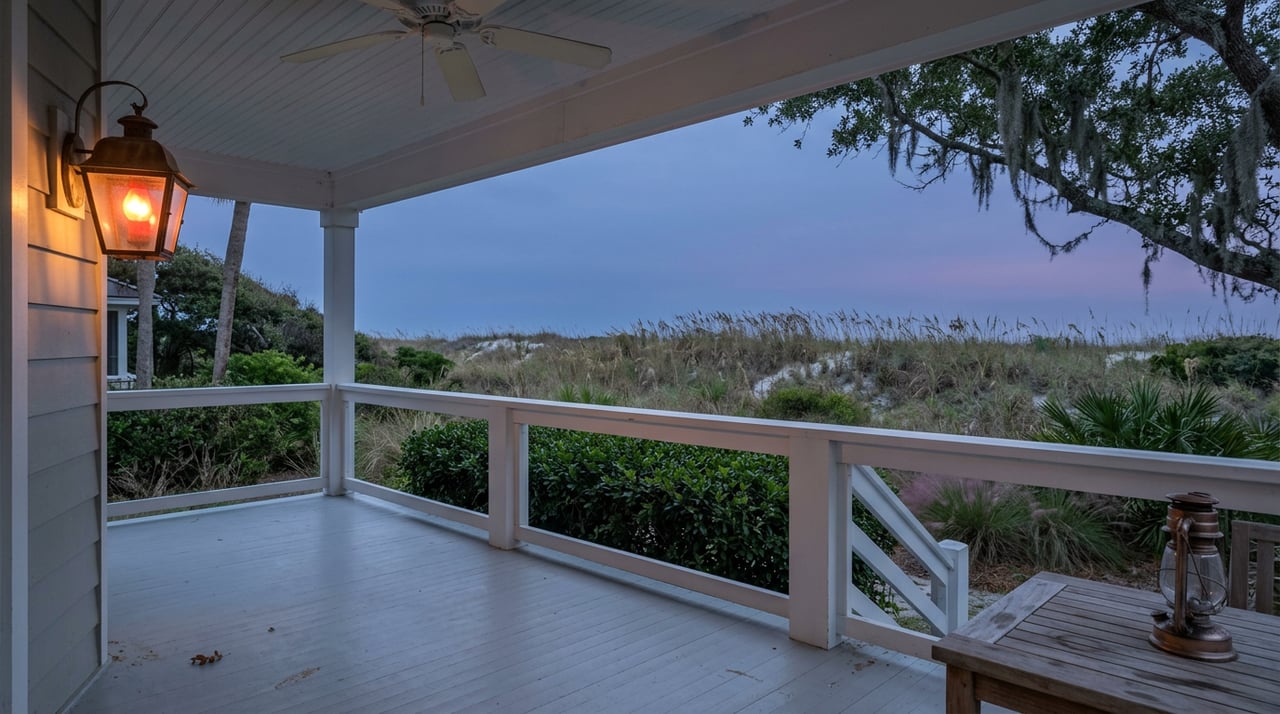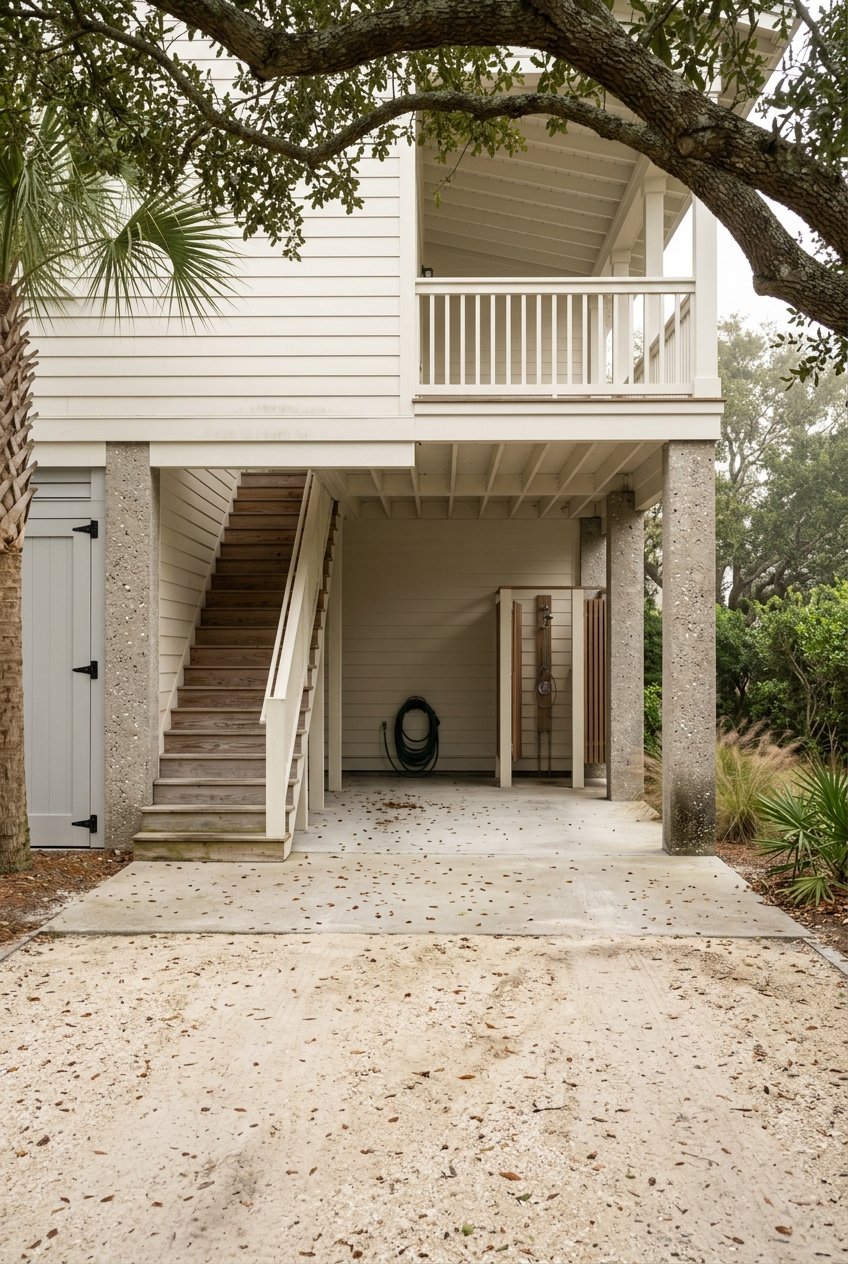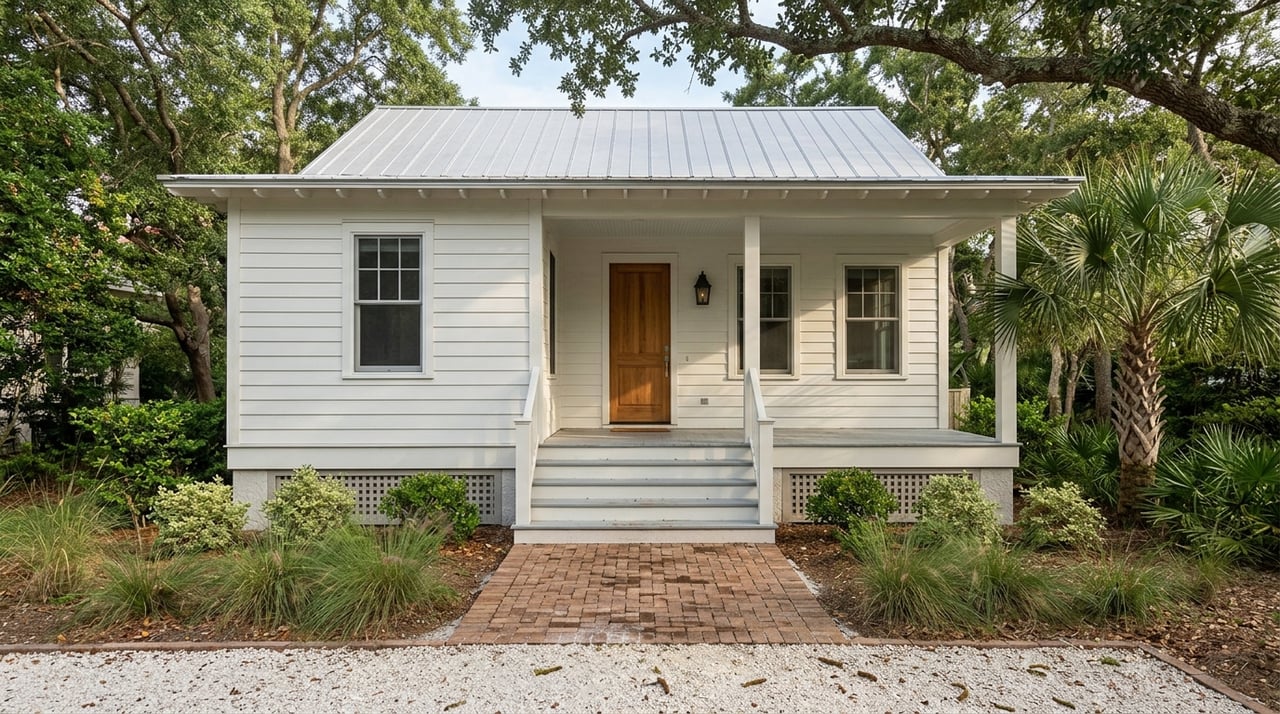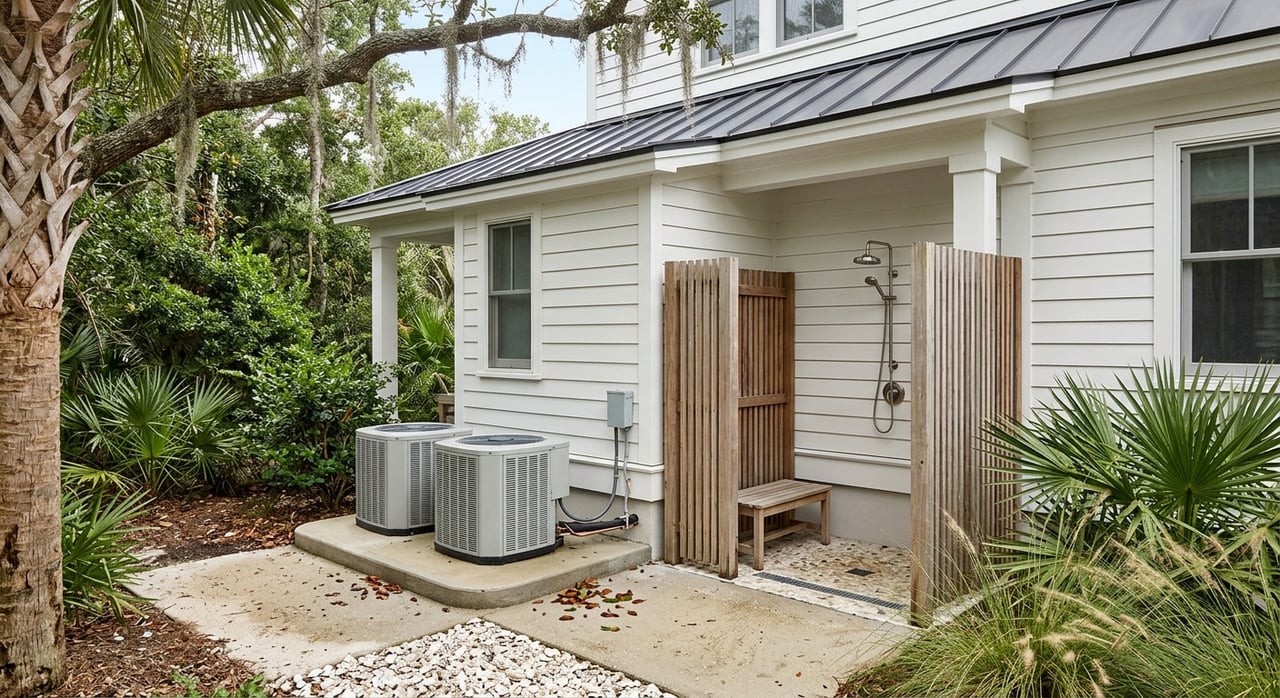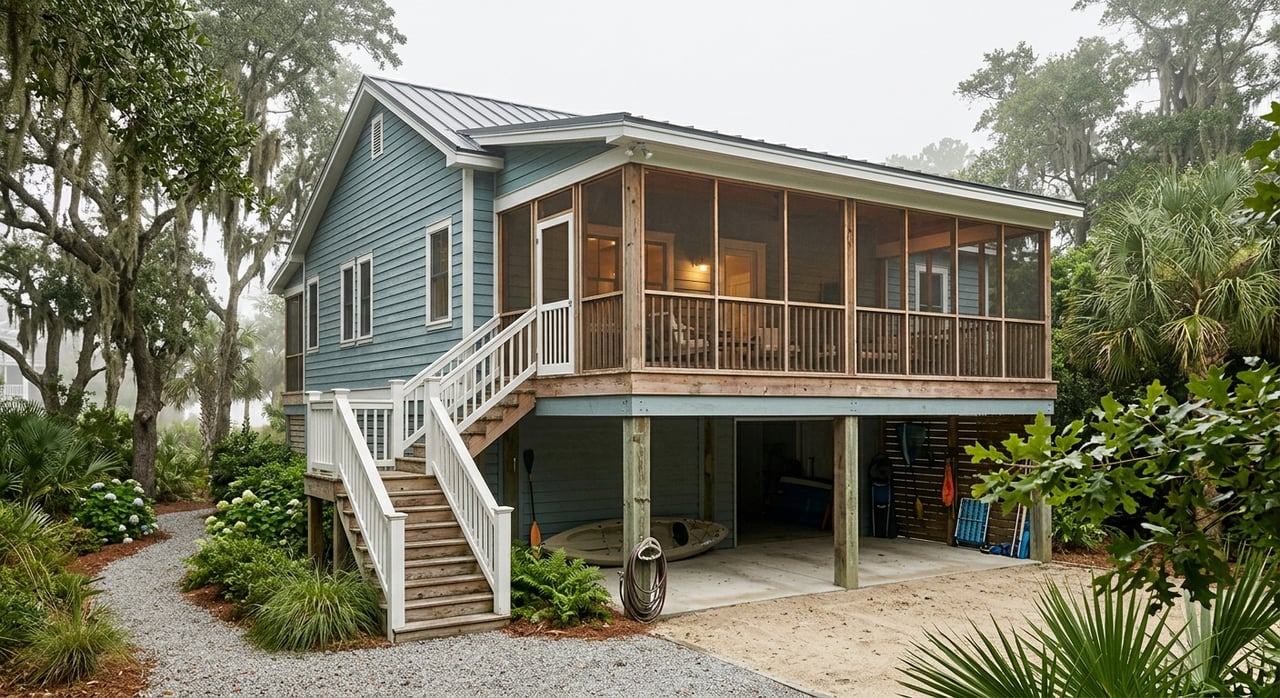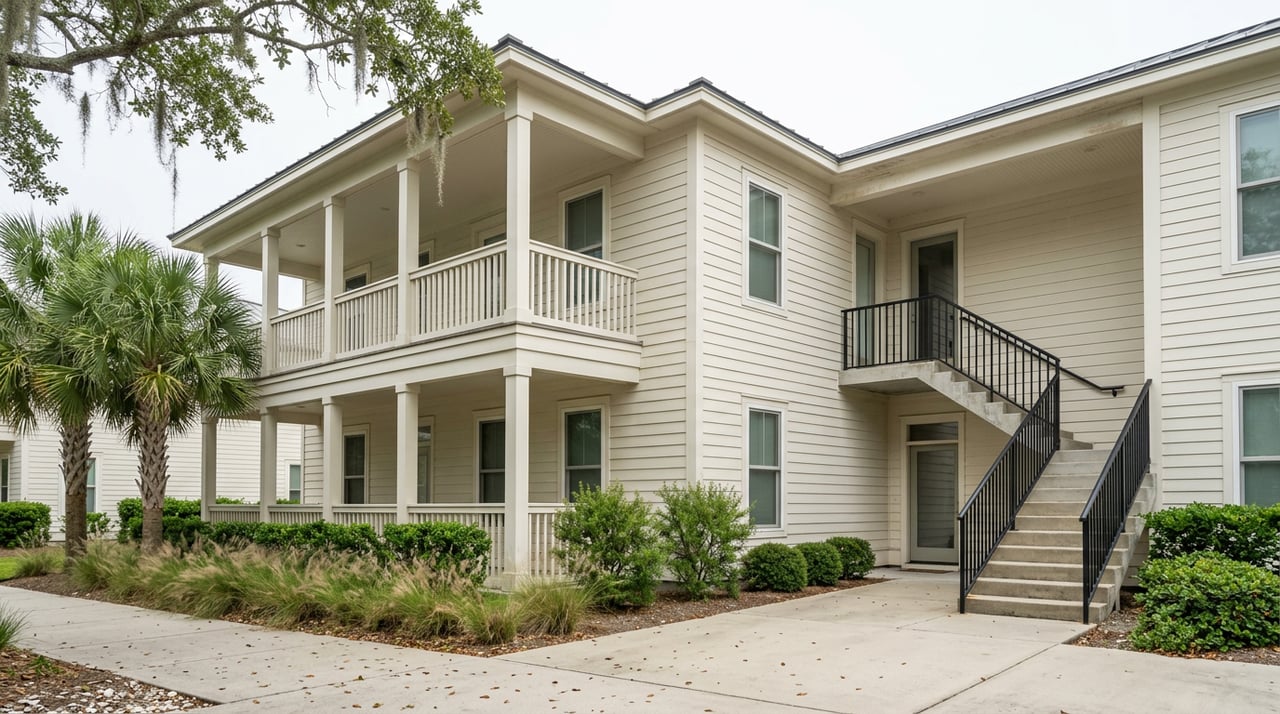
If you own a home on Jekyll Island, "turnkey property management" can sound like a simple promise: hand over the keys and let someone else handle the details. But on Jekyll Island, those details are more involved than many owners expect. Between leasehold rules, rental licensing, local agent requirements, and storm planning, a truly hands-off setup takes more than basic rent collection. This guide walks you through what turnkey property management really means on Jekyll Island, what tasks matter most, and how the right local support can help protect both your time and your property. Let’s dive in.
What Makes Jekyll Island Different
Jekyll Island is not a typical fee-simple ownership market. According to the Jekyll Island Authority, the island is state-owned, and private homeowners generally own the home or improvements while leasing the land from the State of Georgia through the Authority.
That setup affects how ownership and rentals work. The Jekyll Island home ownership and rental overview explains that owners may rent their homes on a short-term or long-term basis, but they must obtain a rental license and follow Jekyll Island Authority ordinances.
It also means your carrying costs may include more than what owners expect in other coastal markets. JIA states that leasehold owners are responsible for property taxes, maintenance fees, and annual lease rent, which is set at 0.4% of the fair market value of the leased land.
What Turnkey Property Management Usually Includes
At its core, turnkey property management means hiring a local team to handle the day-to-day work of operating your rental. In a full-service arrangement, that often includes marketing, lease coordination, inspections, rent collection, bookkeeping, repair scheduling, and regular owner reporting.
The concept is broader than just finding a renter. The IRS description of property management functions points to tasks such as lease administration, maintenance coordination, and financial oversight, while broader industry standards often include safety, security, and risk management.
For absentee owners, turnkey service usually also means having someone local who can respond when something goes wrong. On Jekyll Island, that local presence is not just convenient. In many cases, it is essential for staying compliant.
Why Local Management Matters on Jekyll Island
Jekyll Island has specific rental rules that require close attention. For short-term vacation rentals, the JIA ordinance defines these stays as fewer than 30 consecutive days and requires a rental license before operating.
The same ordinance also requires each licensed rental to identify a local agent who can respond to complaints and take remedial action. According to the JIA residential regulations, that agent should be available at all times and customarily present on or near Jekyll Island for business.
If you live out of town, this is one of the clearest reasons to work with a truly local property manager. Even if you remain ultimately responsible as the owner, having a nearby contact can make a major difference when an issue needs fast attention.
Key Compliance Tasks a Turnkey Manager Handles
A strong turnkey property manager on Jekyll Island does much more than open the calendar and collect payments. They help keep the property aligned with island rules and documentation requirements.
Important compliance tasks often include:
- Coordinating rental license applications and renewals
- Tracking maximum adult occupancy based on bedroom count
- Preparing or confirming the required parking plan
- Making sure the license number is disclosed to renters
- Keeping rental agreements on file for the required 48 months
- Coordinating access for any JIA audit or inspection with proper notice
- Monitoring reporting and percentage rent obligations for overnight rentals
These tasks matter because JIA rules are detailed. The residential regulations note that licenses expire on December 31, do not automatically transfer when a property is sold, and can be subject to audit.
Occupancy, Parking, and House Rules
Short-term rental compliance on Jekyll Island goes beyond paperwork. Your manager also needs to understand operating rules that affect the guest experience and reduce the risk of violations.
Under the JIA ordinance, occupancy for a vacation rental is limited to two adults per bedroom plus two additional occupants, with children under 16 not counted in that calculation. The same rules require a parking plan and restrict overnight parking to driveways or assigned spaces.
Other operational details matter too. Vacation rentals must have annual back-door trash and recycling service, and they must include core life-safety items such as smoke alarms, a fire extinguisher, and carbon monoxide detection where propane is used.
A turnkey manager helps by communicating these limits clearly before arrival and reinforcing them during the stay. That can help prevent overcrowding, parking problems, and complaints tied to loud or unruly gatherings, which the ordinance prohibits.
Screening and Lease Oversight
Another major part of turnkey management is screening the people who will occupy your property. That can apply to vacation guests, long-term renters, or both, depending on how you use the home.
For long-term rentals, screening is often one of the first lines of defense for protecting your property and income stream. The Federal Trade Commission guidance on tenant background checks explains that landlords may use reports that include payment history, eviction records, and criminal history information, while renters also have rights to review and dispute incorrect information.
That makes screening both practical and compliance-sensitive. A capable manager helps you apply a consistent process, document decisions, and reduce avoidable risk.
Long-Term Rentals Have Rules Too
Some owners assume only vacation rentals face close oversight on Jekyll Island. In reality, long-term rentals also come with important requirements.
JIA notes that the core standards still apply for long-term rentals, though with some differences. For example, it does not conduct random inspections for long-term rentals, percentage rent may be paid monthly, quarterly, or annually, and the owner remains ultimately responsible for water service.
Georgia rules also affect long-term rental operations. The state landlord-tenant handbook, referenced in the research, provides that security deposits generally cannot exceed two months' rent and must usually be returned within 30 days after the lease ends. It also includes escrow or bonding rules in some cases and requires written flood-risk disclosure when a property has flooded at least three times in five years and damaged the living space.
Storm Planning Is Part of Management
On a barrier island, property management is not just about bookings and repairs. It also includes emergency readiness.
The Jekyll Island emergency preparedness page states that the island is particularly at risk for hurricanes and warns that flooding from tropical systems can cover streets with little warning. JIA also uses Nixle alerts and a state re-entry system during disasters.
For you as an owner, this means a turnkey manager should be prepared to do more than answer routine maintenance calls. Local oversight can help with pre-storm preparation, post-storm checks, vendor coordination, and documenting conditions for insurance purposes.
Guest Access and Arrival Support
Even small logistics can affect reviews, occupancy, and owner peace of mind. Jekyll Island has its own access rules that guests may not know before arrival.
According to the official Jekyll Island parking and entry information, vehicles entering the island pay a gate entry fee, currently $10 per day or $100 annually. That fee supports roads, grounds, conservation, historic preservation, public safety, and visitor services.
A turnkey manager often helps by setting expectations early. When guests understand entry procedures, parking limitations, and house rules before they arrive, the stay usually starts more smoothly.
Why Turnkey Service Fits Jekyll Island Owners
Jekyll Island draws significant visitor traffic. A 2024 JIA board packet described the island as a top-ten tourist destination with more than 3.5 million visitors annually.
That kind of visitor base helps explain why many owners want a property that can support both personal use and rental income. But the same demand that creates opportunity also creates more turnover, more guest communication, and more compliance pressure.
Turnkey management can make sense if you want to enjoy the property without handling every operational detail yourself. It is especially valuable if you live out of state, use the home as a second residence, or want a local team to act quickly when issues come up.
What to Look for in a Turnkey Manager
Not all property management is truly turnkey. On Jekyll Island, the best fit is usually a manager who understands both the island's rules and the realities of coastal ownership.
Look for a team that can help with:
- Short-term and long-term rental oversight
- Local agent availability and fast response
- Turnovers and routine property checks
- Maintenance coordination and vendor access
- Clear reporting and communication
- Compliance with JIA licensing and recordkeeping requirements
- Storm preparation and post-event follow-up
Just as important, you want a manager who treats your home like a long-term asset, not just a unit on a list. That kind of stewardship matters on a barrier island where wear, weather, and regulations all require close attention.
If you are weighing whether Jekyll Island ownership will feel manageable from a distance, turnkey property management can be the bridge. With the right local partner, you can simplify day-to-day operations, stay aligned with island requirements, and feel more confident that your property is being looked after when you are away. If you want a hands-on local resource for buying, selling, or managing property in the Golden Isles, connect with Linda Williams.
FAQs
What does turnkey property management mean on Jekyll Island?
- It usually means a local manager handles core rental tasks such as marketing, screening, lease or guest coordination, inspections, maintenance, reporting, and compliance support so you can own the property more passively.
Does every Jekyll Island rental need a local agent?
- Yes. The JIA residential regulations require each licensed rental to identify a local agent who can respond to complaints and take remedial action, unless the owner personally fills that role and remains available.
Are Jekyll Island homes owned differently than most Georgia homes?
- Yes. Jekyll Island is a leasehold market, which means you generally own the home or improvements while leasing the land from the State of Georgia through the Jekyll Island Authority.
What are the occupancy rules for Jekyll Island short-term rentals?
- For vacation rentals of fewer than 30 consecutive days, JIA limits occupancy to two adults per bedroom plus two additional occupants, and children under 16 are not counted in that formula.
Do Jekyll Island short-term rentals need a license?
- Yes. JIA says owners may rent their homes, but they must obtain a rental license and comply with Authority ordinances and reporting requirements.
Why is local property management important for Jekyll Island storm planning?
- Because the island is vulnerable to hurricanes and flooding, a local manager can help with storm prep, post-storm inspections, vendor coordination, and issue response when you are not nearby.