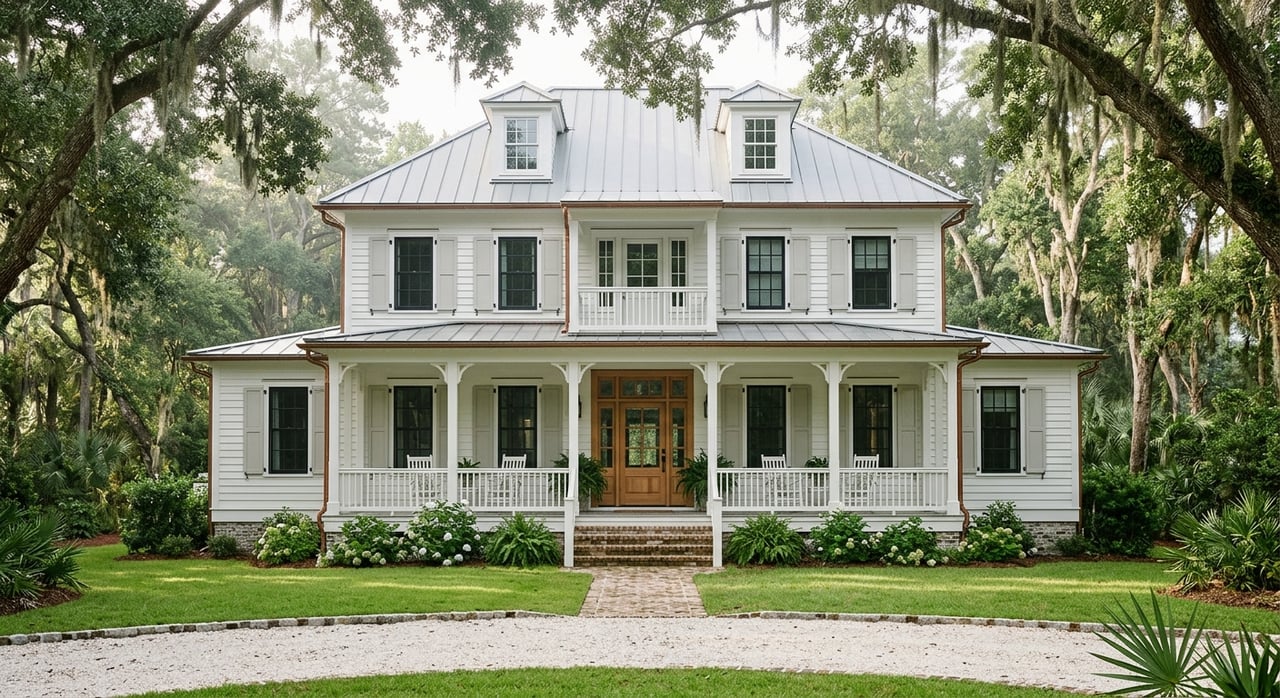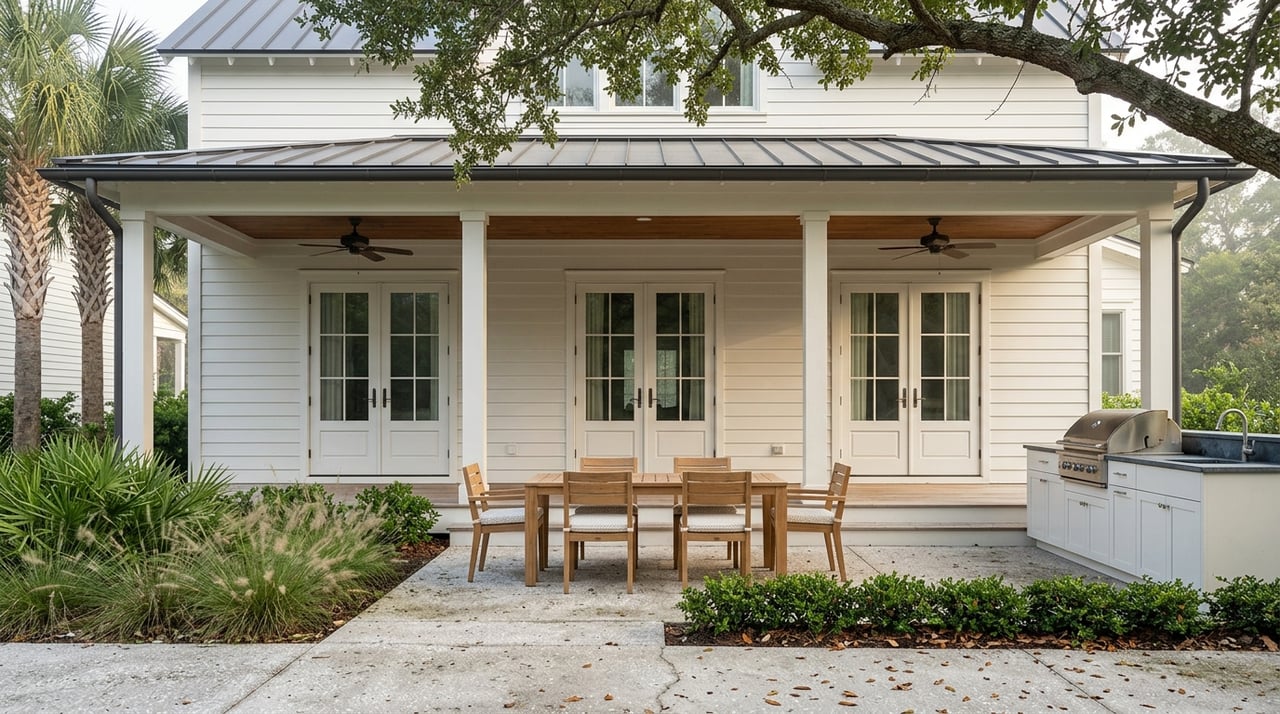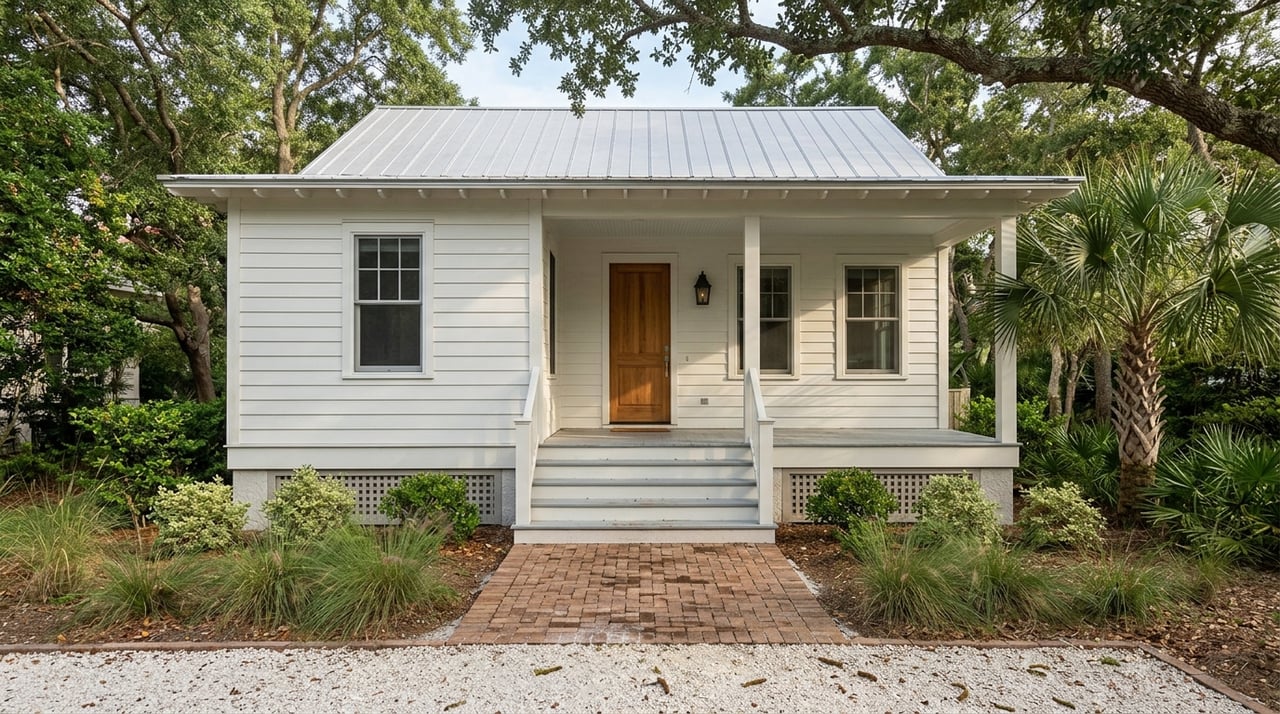
If you are thinking about buying a rental property on St. Simons, it is easy to focus on the fun part first: beach demand, golf traffic, and the appeal of owning in one of coastal Georgia’s best-known destinations. But on St. Simons Island Club, a smart investment decision depends on more than a strong nightly rate. You need to weigh demand, rules, carrying costs, and day-to-day operations before you count on returns. Let’s dive in.
Why St. Simons draws renters
St. Simons Island benefits from year-round visitor appeal. The official Golden Isles destination organization describes the area as a tourism-focused coastal market with mild weather and an average annual temperature of 68°F, which helps support travel in more than just peak summer months. That matters if you are evaluating rental demand over a full calendar year instead of just one season.
Seasonality still plays a major role. Based on the Golden Isles weather and events information, demand is likely to be strongest around spring break, summer beach travel, fall football and golf weekends, and holiday events. In other words, you are looking at a market with meaningful peaks and shoulder seasons, not a flat, uniform rental pattern.
Golf is another important demand driver for this area. Sea Island’s Retreat Course sits at 100 Kings Way, and the Golden Isles CVB notes that Sea Island Golf Club hosts the annual RSM Classic. For investors near golf-oriented areas like Island Club, that can support demand outside the traditional beach calendar.
Why Island Club needs a closer look
Not every St. Simons property works the same way as a rental investment. St. Simons Island Club is a more specific, golf-centered setting, and that makes property-level analysis especially important. A home here should be evaluated as part of an HOA-governed community, not as a generic vacation rental opportunity.
The Georgia Secretary of State listing shows St. Simons Island Club Property Owners’ Association, Inc. as an active nonprofit corporation formed in 1980. Combined with Sea Island’s history of the former Island Club course becoming the Retreat Course, this points to a neighborhood where use restrictions, community standards, and ownership costs may directly affect rental performance.
Before you model income, you should confirm what the governing documents allow. In communities like this, lease terms, guest behavior rules, parking standards, and exterior requirements can affect whether a property fits your investment strategy at all.
Start with allowed use
The first question is simple: what kind of rental are you actually allowed to operate? This comes before projected revenue, furnishing plans, or management options. If a property’s HOA or governing rules limit rental activity, that should shape your entire underwriting approach.
The island’s broader lodging mix shows that several stay types do exist across the market. The Golden Isles lodging overview highlights resorts, cottages, vacation rentals, and other accommodation types, which tells you there is demand across multiple formats. Still, demand in the overall market does not guarantee that a specific home in Island Club is the right fit for short-term rental use.
For that reason, many investors compare more than one path:
- Short-term vacation rental use
- Longer-term annual rental use
- Second-home ownership with limited rental activity
- Hold-for-appreciation with conservative income assumptions
Understand local short-term rental rules
If you are considering stays of fewer than 30 consecutive days, Glynn County’s rules are essential. The county requires a short-term rental certificate for this type of property and says the ordinance is designed to create uniform rules for noise, parking, trash, and accommodation taxes.
The county also notes that an Occupation Tax Certificate is required for all businesses and for individuals renting six or more properties. These are not small administrative details. They are part of the cost, time, and compliance side of ownership.
Occupancy rules matter too. Under the county ordinance, maximum occupancy is set at two persons per bedroom plus two additional persons, excluding children under 12 from the count. If you are evaluating a home based on sleeping capacity, be sure your assumptions match the local rule rather than just the floor plan.
Taxes and filing affect your bottom line
A good rental analysis needs more than purchase price and gross income. Glynn County currently lists a 7% accommodation excise tax on short-term rentals in unincorporated Glynn County, with returns and payments due by the 20th of the following month.
The county FAQ also says owners must still log in and file even if platforms such as Airbnb or VRBO collect some taxes. That means your accounting and filing process has to stay organized. For absentee owners especially, this is one more reason to treat professional management as part of the investment model, not an afterthought.
Property taxes also deserve a careful review. Glynn County says ad valorem tax is based on fair market value as of January 1 and assessed at 40% of that value, which means tax exposure can shift as values rise. On a high-price coastal asset, that can materially change carrying costs over time.
Acquisition costs are high here
St. Simons is not an entry-level vacation market, and that shapes expected returns from day one. The research shows large pricing figures across major portals, even though the methodologies differ. Zillow reported a February 2026 median list price of $712,150 for Saint Simons Island, while Redfin’s Island Club neighborhood page showed a $1.7 million median sale price last month.
The exact number matters less than the broader takeaway: this is a capital-intensive market. If you are evaluating Island Club, acquisition price can have as much impact on returns as occupancy and nightly rate. A property that performs well operationally can still underdeliver if you overpay or underestimate ongoing costs.
Compare short-term and long-term rental math
Some buyers assume they can use long-term rent data as a shortcut for vacation rental analysis, but the two are not the same. Zillow’s March 2026 rental snapshot showed an average rent of $2,889 for Saint Simons Island, and Realtor.com showed a median rent of $3,000. Those numbers can help frame the long-term side of the market, but they do not replace short-term underwriting.
Short-term rentals add more moving parts, including:
- Seasonal occupancy swings
- Turnover and cleaning costs
- Furnishing and restocking
- Accommodation taxes
- Guest communication and screening
- More frequent repairs and maintenance
- Vacancy between bookings
That is why conservative modeling usually gives you a clearer picture than relying on peak-season assumptions.
Budget for coastal risk and reserves
On St. Simons, insurance and maintenance planning deserve extra attention. FEMA’s Flood Map Service Center is the official flood-hazard source, and Glynn County’s flood-protection guidance notes that substantial improvements in a floodplain can trigger new-construction standards. That can affect renovation budgets, timelines, and long-term capital planning.
The county has also begun shoreline revetment rehabilitation on St. Simons Island to address erosion and storm impacts. For you as an investor, the practical lesson is straightforward: keep larger reserves than you might in an inland market. Coastal ownership often requires more flexibility for insurance changes, weather-related repairs, and exterior maintenance.
Management is part of the investment
For Island Club owners, especially those who live out of town, responsive local management is not just helpful. It supports compliance. Glynn County’s ordinance defines a local point of contact as the person responsible for responding to guest and county concerns, and county enforcement is structured around that response process.
The county also says complaints are routed to the local contact first, and unresolved issues can lead to a violation. That means management quality can affect both guest experience and regulatory standing. A rental that looks strong on paper may struggle in real life if response times, cleaning coordination, turnover quality, and repair handling are inconsistent.
In practice, many of the biggest performance factors are operational:
- Fast response to guest needs
- Reliable turnover scheduling
- Property checks between stays
- Maintenance coordination
- Tax and compliance tracking
- Clear communication with owners
If you are buying from out of state or planning limited personal use, a hands-on local team can make the difference between a workable asset and a stressful one.
How to evaluate an Island Club opportunity
When you review a property in St. Simons Island Club, it helps to use a simple filter. Instead of asking only whether the home could rent, ask whether the home fits the right rental strategy for its location, rules, and cost structure.
A practical checklist includes:
- Confirm HOA and governing document restrictions.
- Verify whether short-term rental use is allowed.
- Review Glynn County certificate, tax, and occupancy requirements.
- Estimate carrying costs, including taxes, insurance, reserves, and management.
- Compare short-term and long-term rental scenarios.
- Stress-test your numbers for shoulder seasons and slower periods.
- Evaluate whether you need full-service local management.
That process gives you a much more realistic picture than focusing only on headline demand.
The bottom line for investors
St. Simons Island Club can offer real appeal for rental investors because it sits within a leisure-driven market supported by beaches, golf, events, and year-round coastal visitation. But this is not a plug-and-play investment area. It is best viewed as a niche, amenity-driven, HOA-regulated coastal asset where rules, operating discipline, and acquisition price all matter.
If you want help evaluating whether a specific Island Club property fits your goals, working with a local broker and property management team can save you time and reduce costly assumptions. Linda Williams offers local guidance for buyers, investors, and absentee owners who want a practical, hands-on approach to buying and managing property on St. Simons.
FAQs
What makes St. Simons Island Club different from other rental areas on St. Simons?
- St. Simons Island Club is a golf-centered, HOA-governed community, so you should review community rules, allowed uses, and ownership costs before assuming a rental strategy will work.
What are the Glynn County short-term rental rules for St. Simons properties?
- Glynn County requires a short-term rental certificate for rentals of fewer than 30 consecutive days, and the county also regulates occupancy, noise, parking, trash, and tax compliance.
What taxes should you budget for a St. Simons short-term rental?
- Glynn County currently lists a 7% accommodation excise tax on qualifying short-term rentals in unincorporated Glynn County, and owners must stay current on filing requirements.
What is the occupancy limit for a short-term rental in Glynn County?
- The county ordinance sets maximum occupancy at two persons per bedroom plus two additional persons, excluding children under 12 from the count.
Why is local property management important for St. Simons rental owners?
- Local management helps with guest response, turnovers, maintenance, tax tracking, and compliance because county rules depend on a reachable local contact who can respond quickly to concerns.
Should you compare long-term and short-term rental options on St. Simons?
- Yes. Long-term rent data can provide a baseline, but short-term rentals have added variables such as seasonality, turnover costs, taxes, vacancy swings, and management demands.