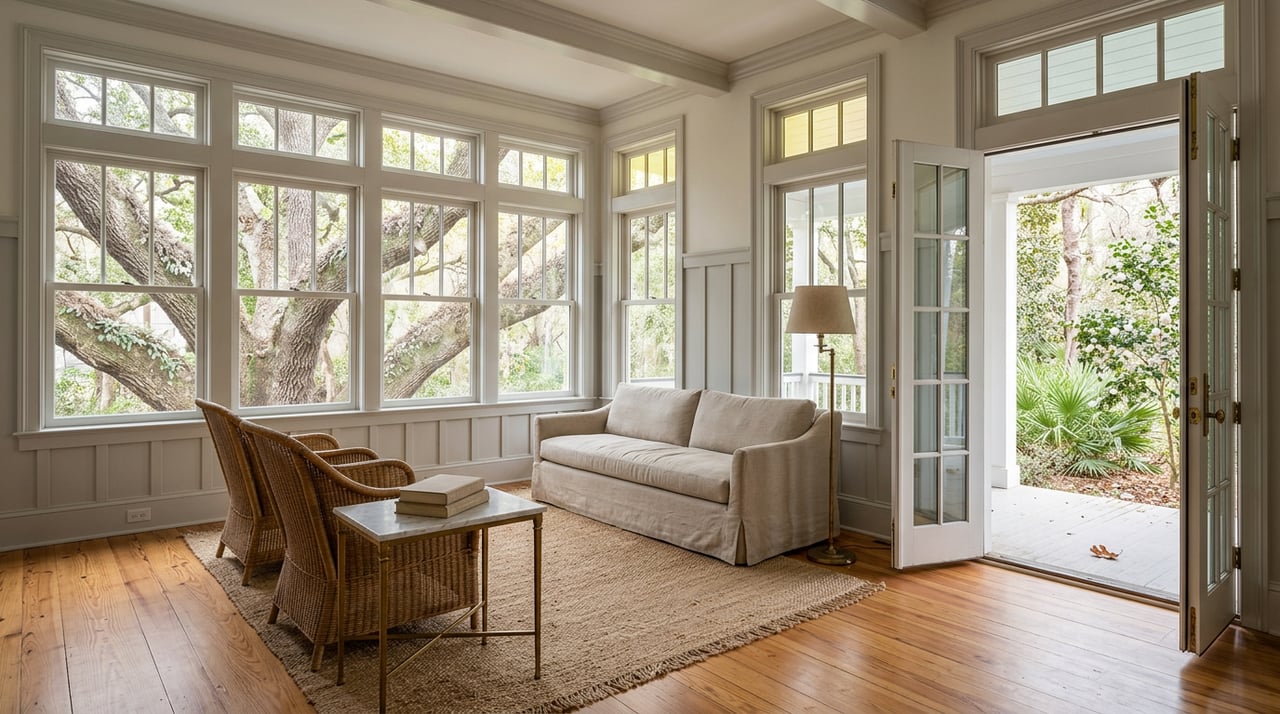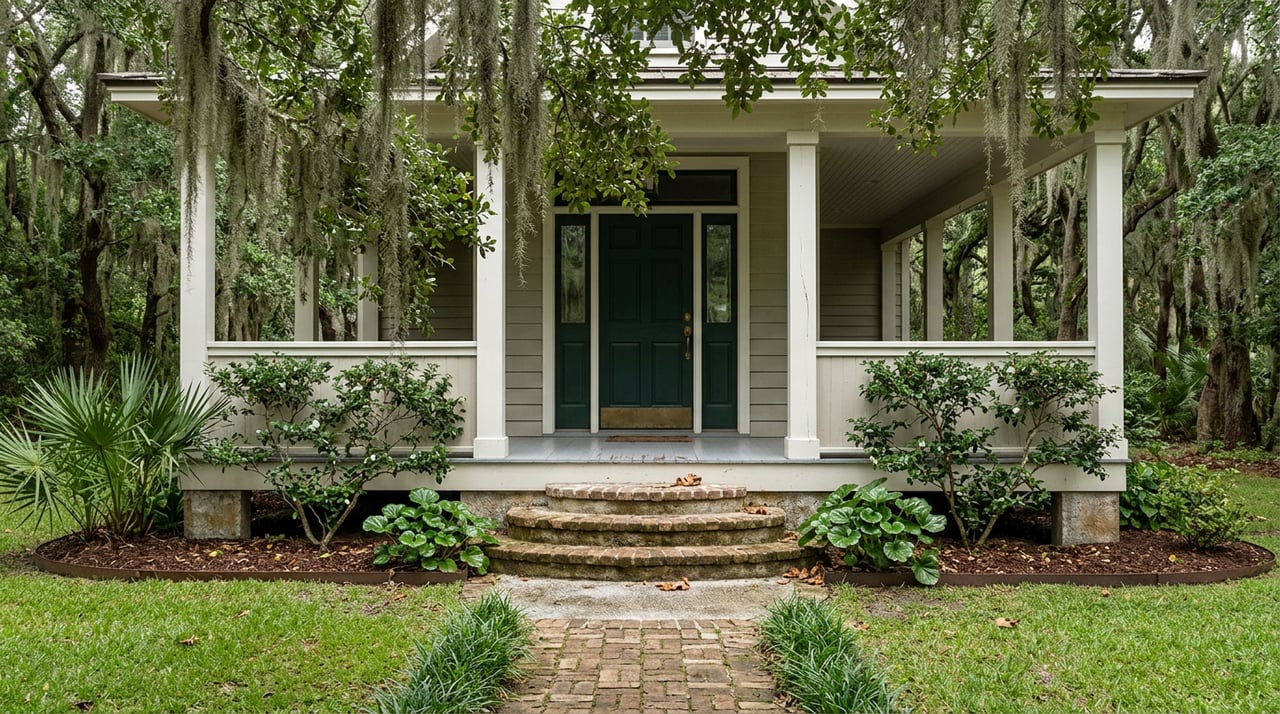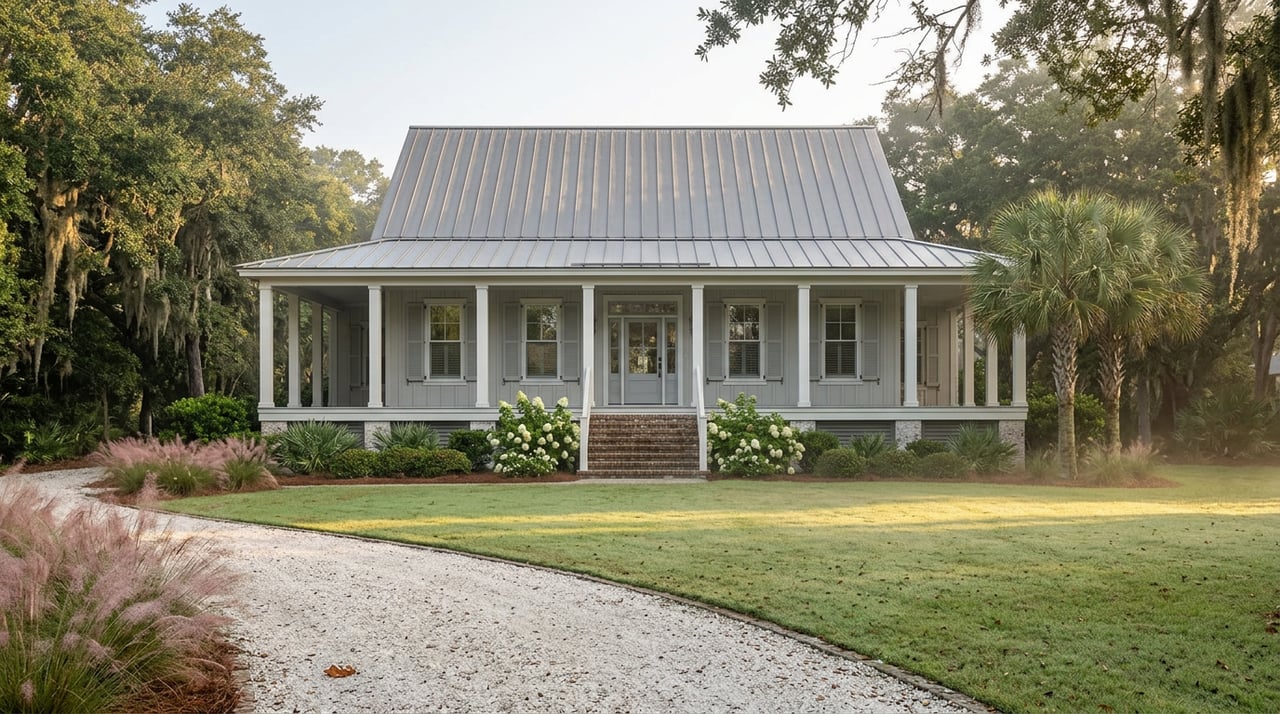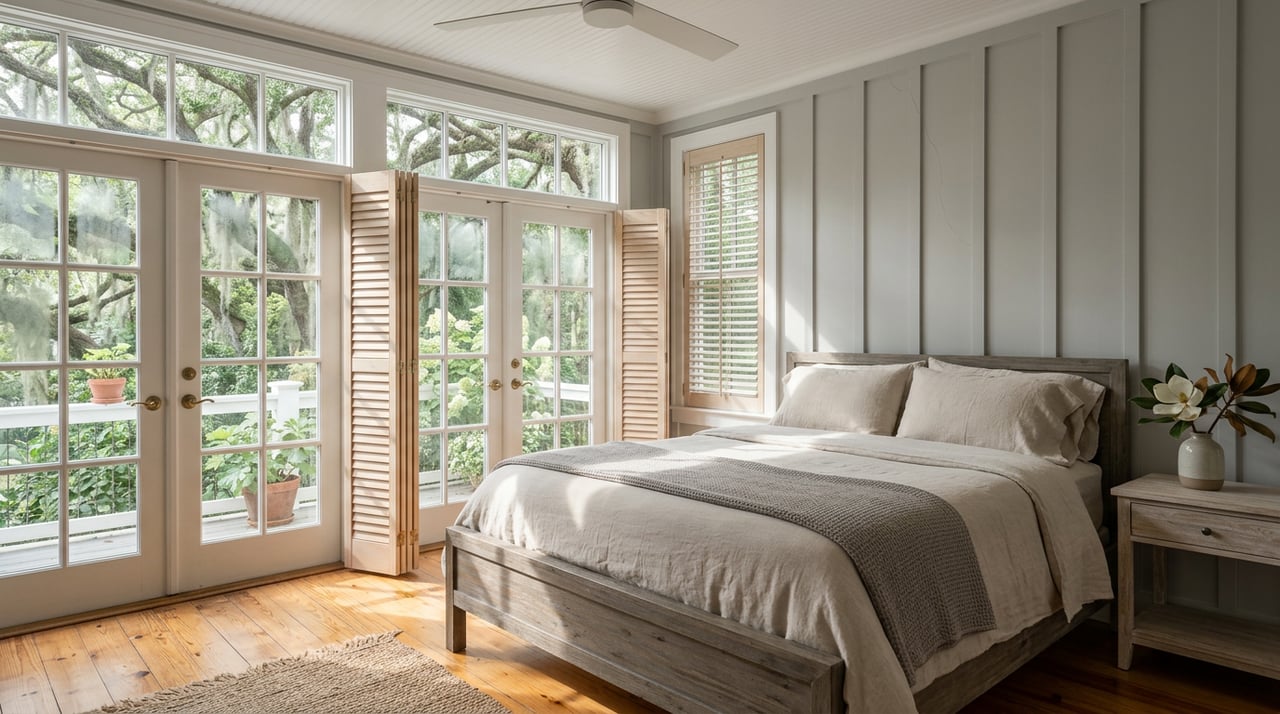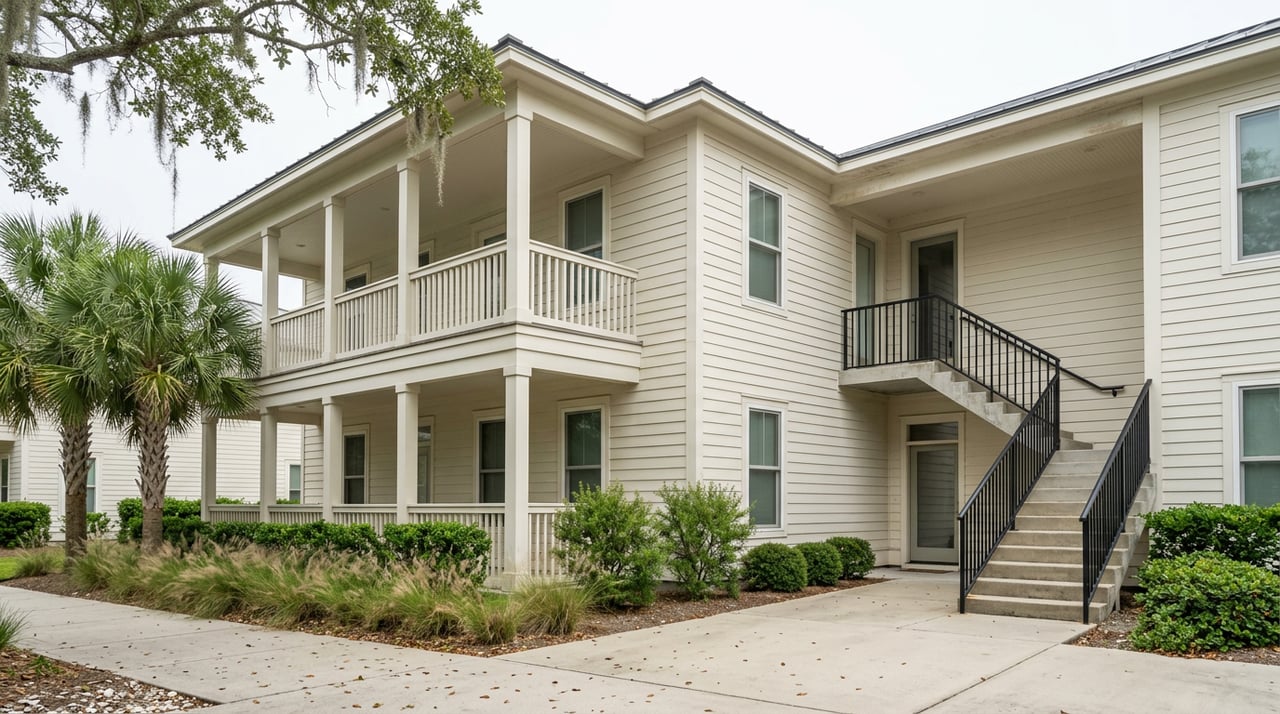
Trying to choose between a condo or a cottage in St. Simons Island Club? You are not alone. Both options deliver the coastal lifestyle you want, but the fit comes down to upkeep, association rules, insurance realities and whether you plan to rent. In this guide, you’ll get a clear, side-by-side look at how each choice works on the island and a practical checklist to make decisions with confidence. Let’s dive in.
Island Club snapshot
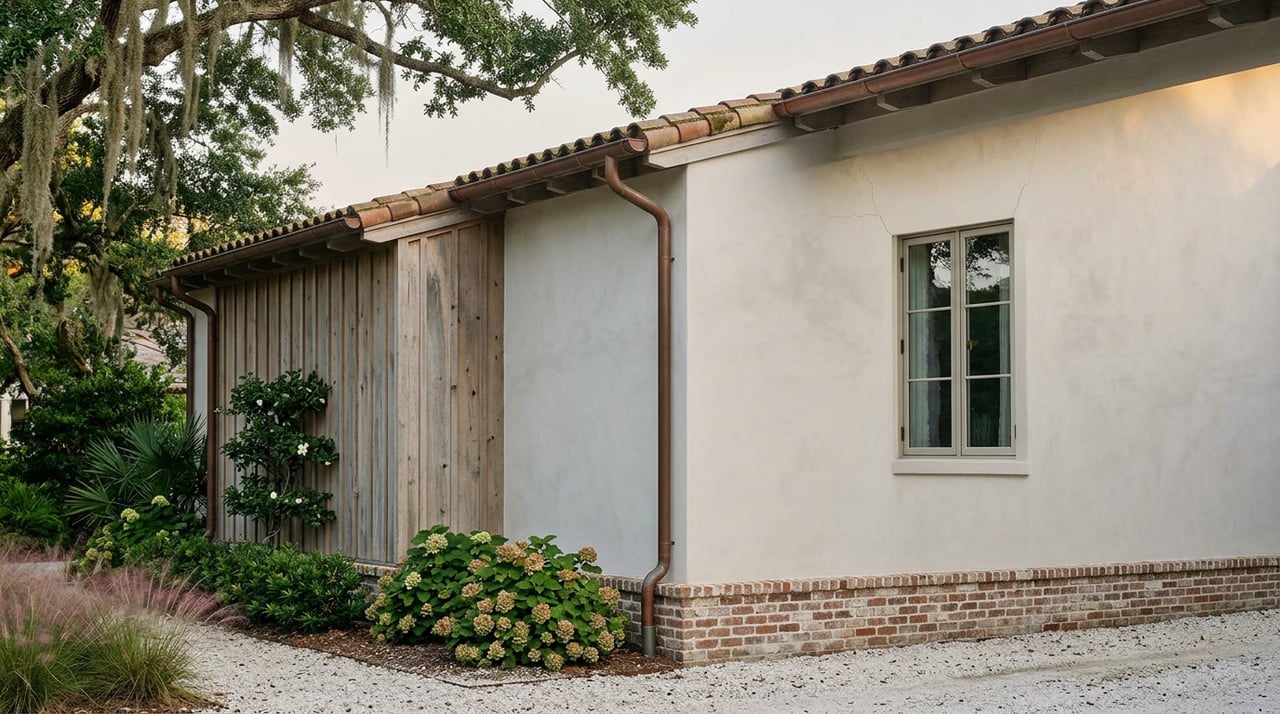
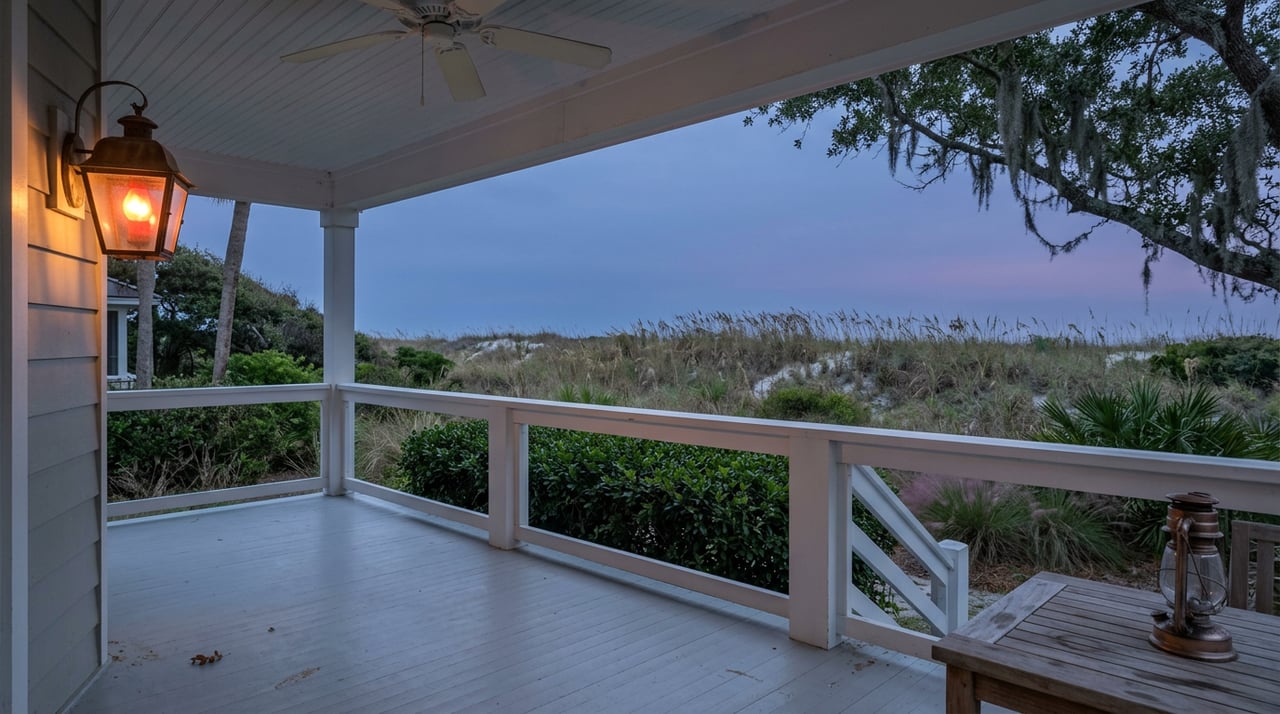
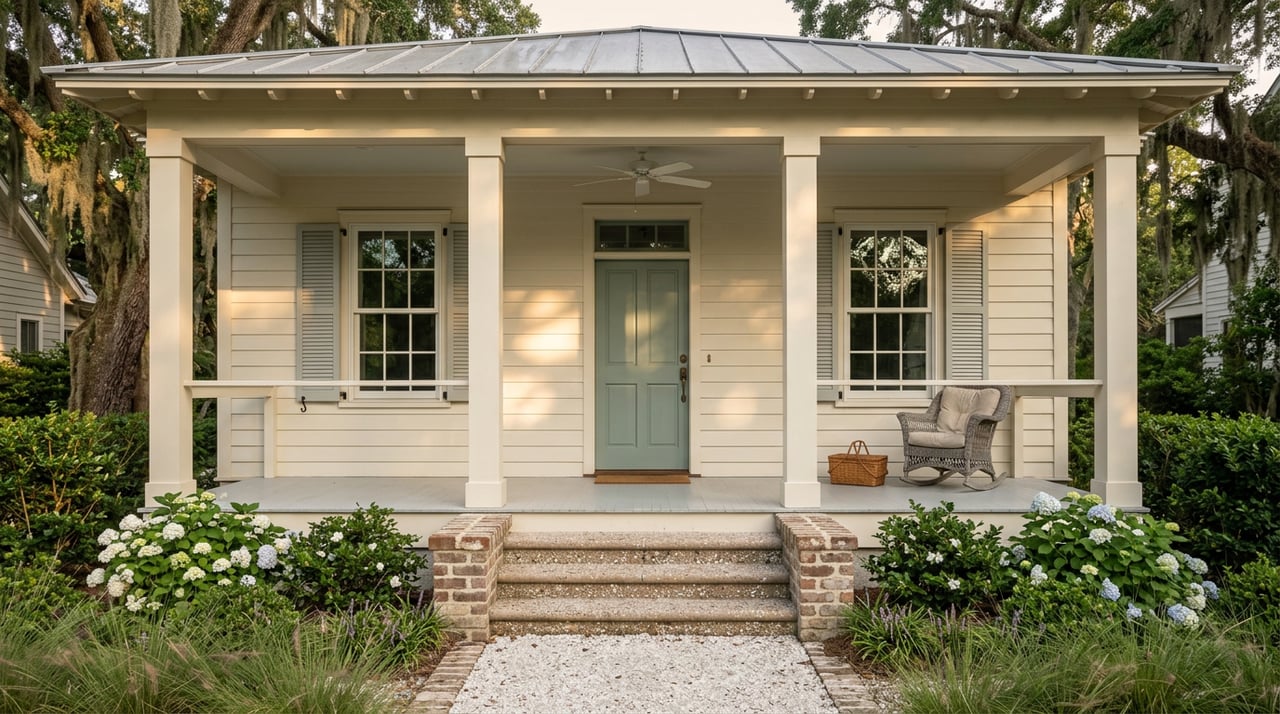
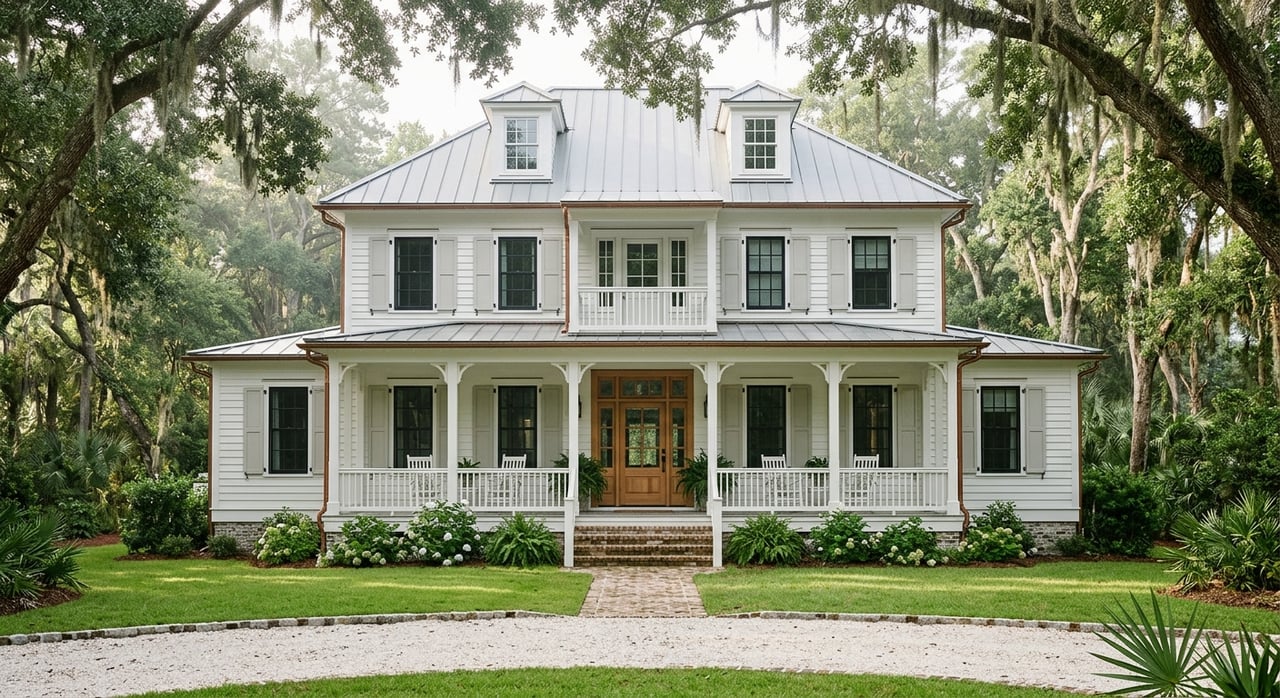
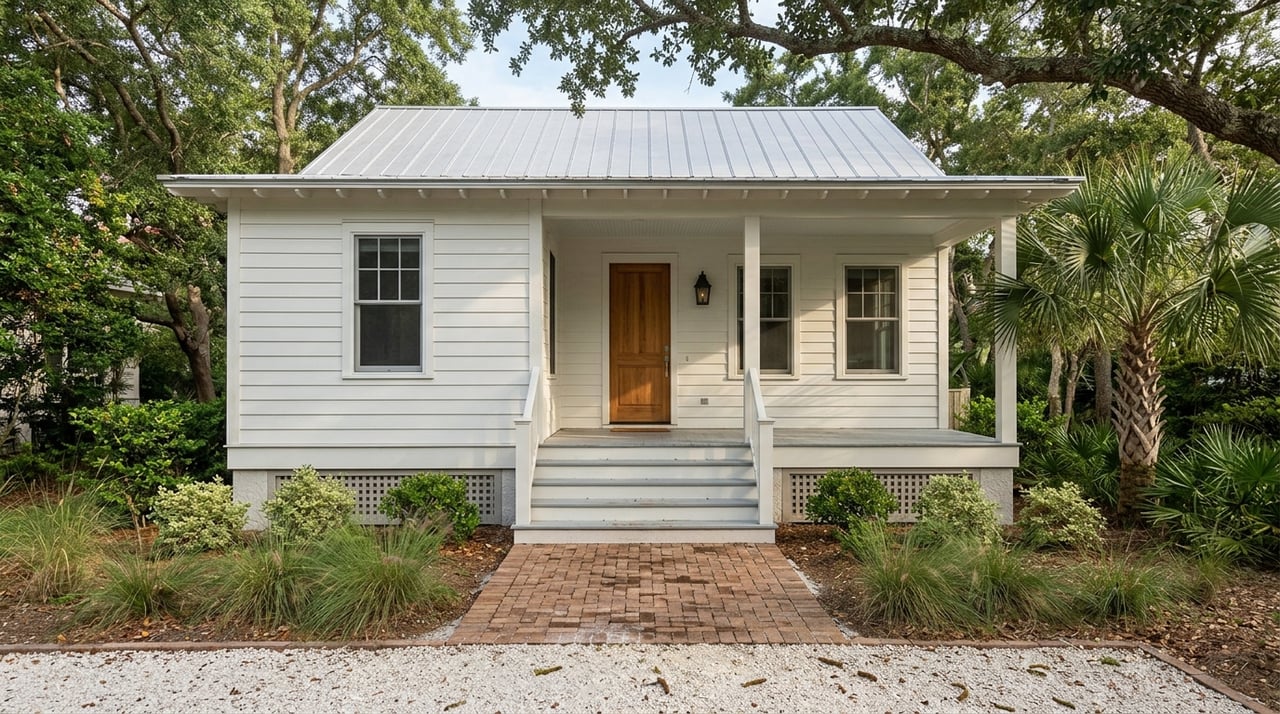
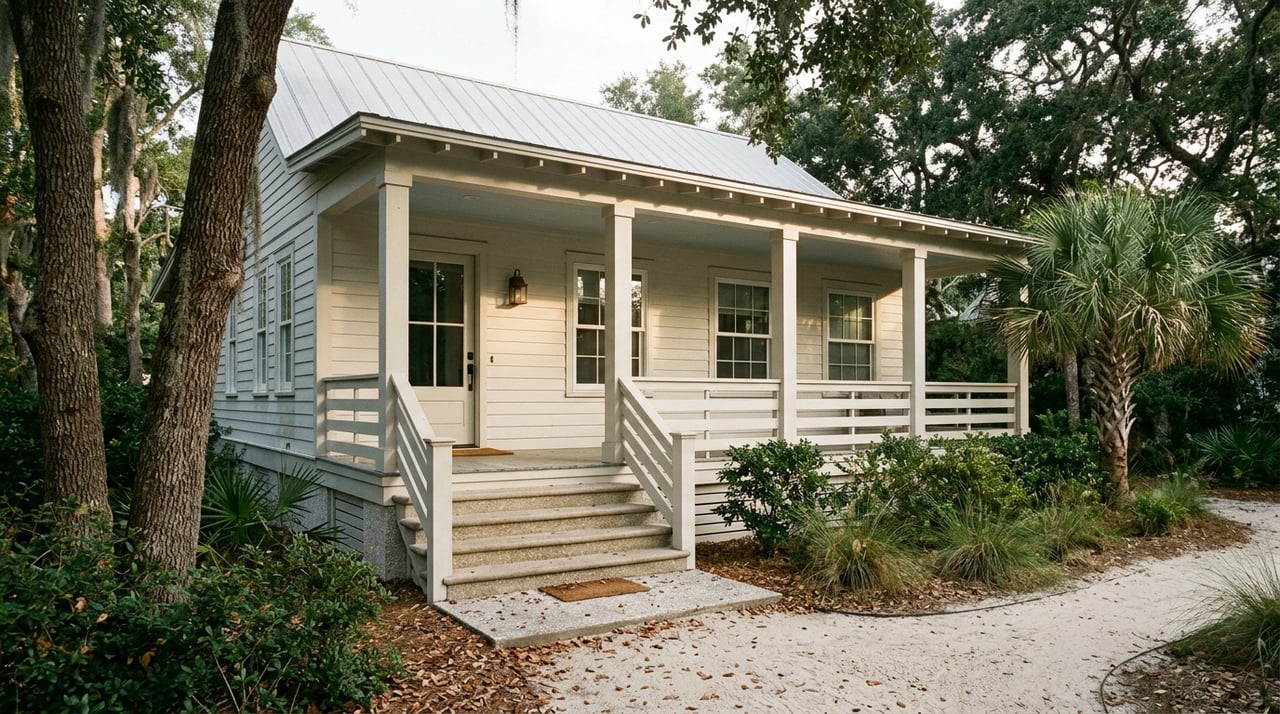
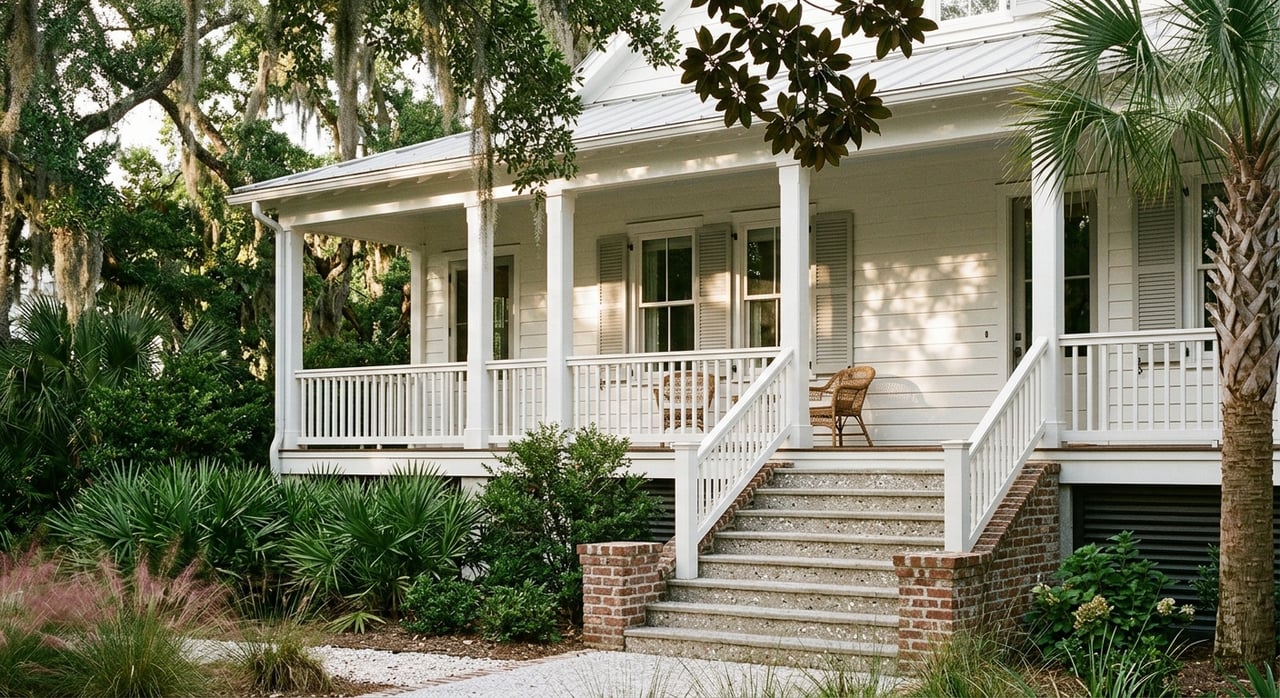
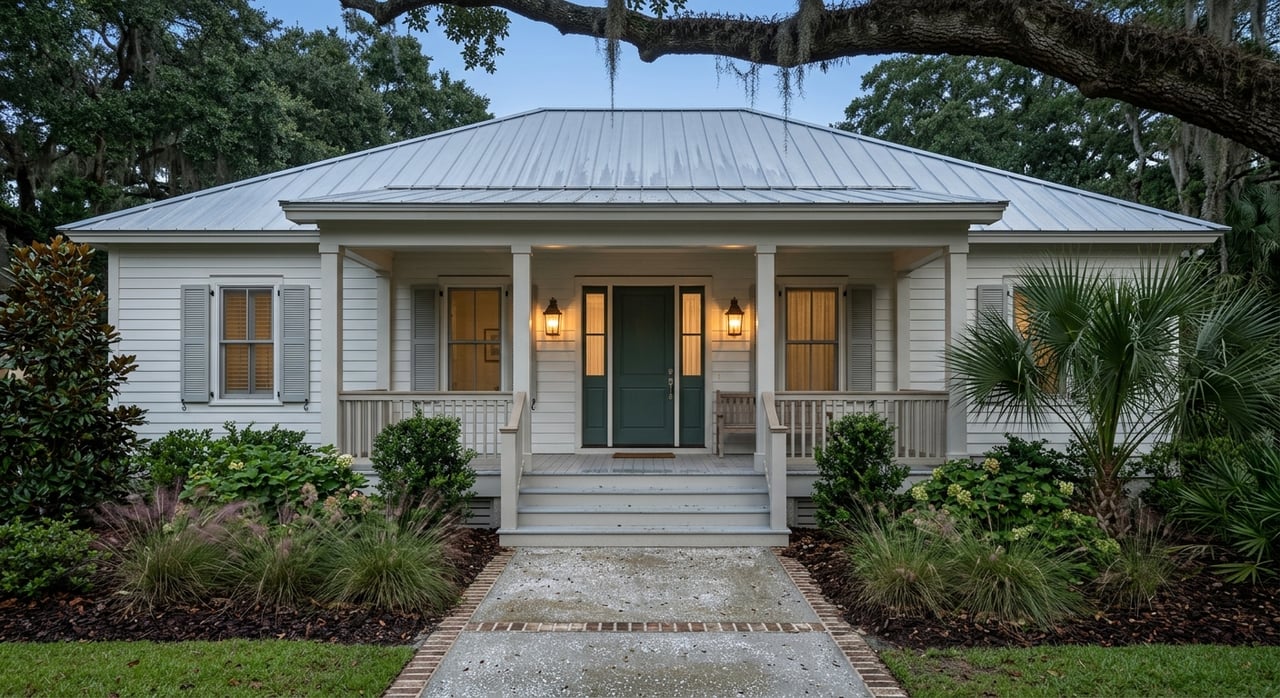
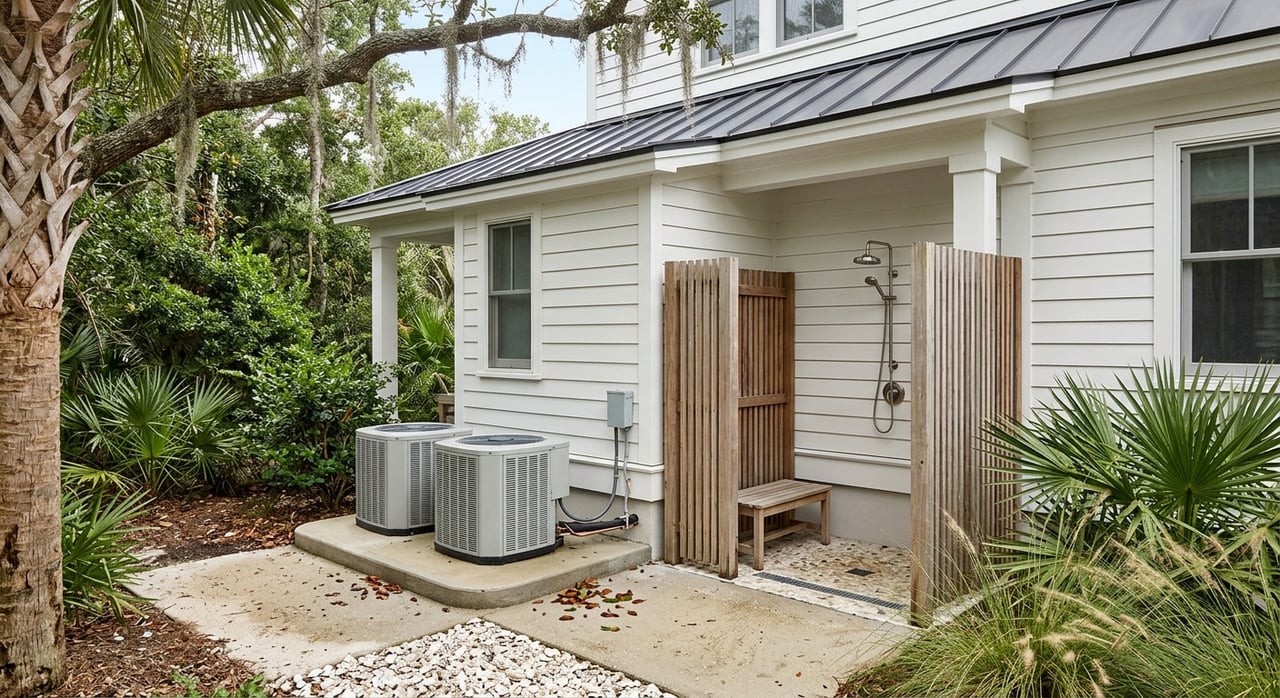
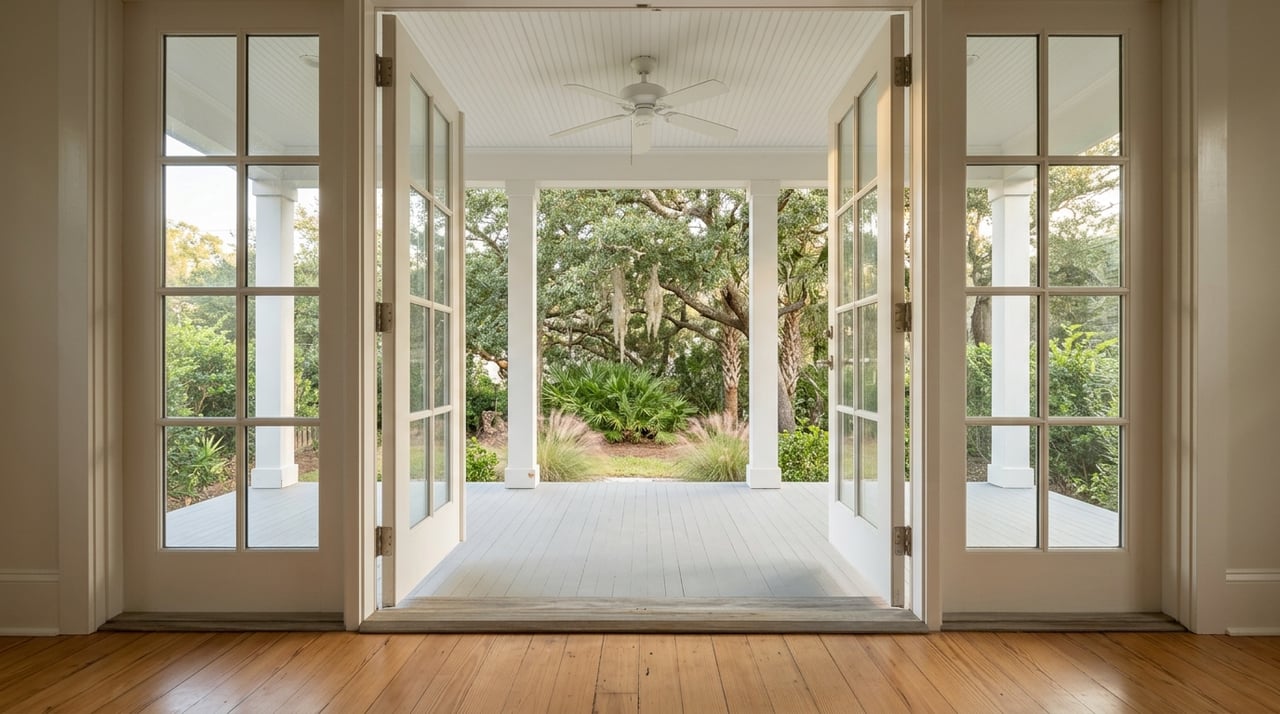
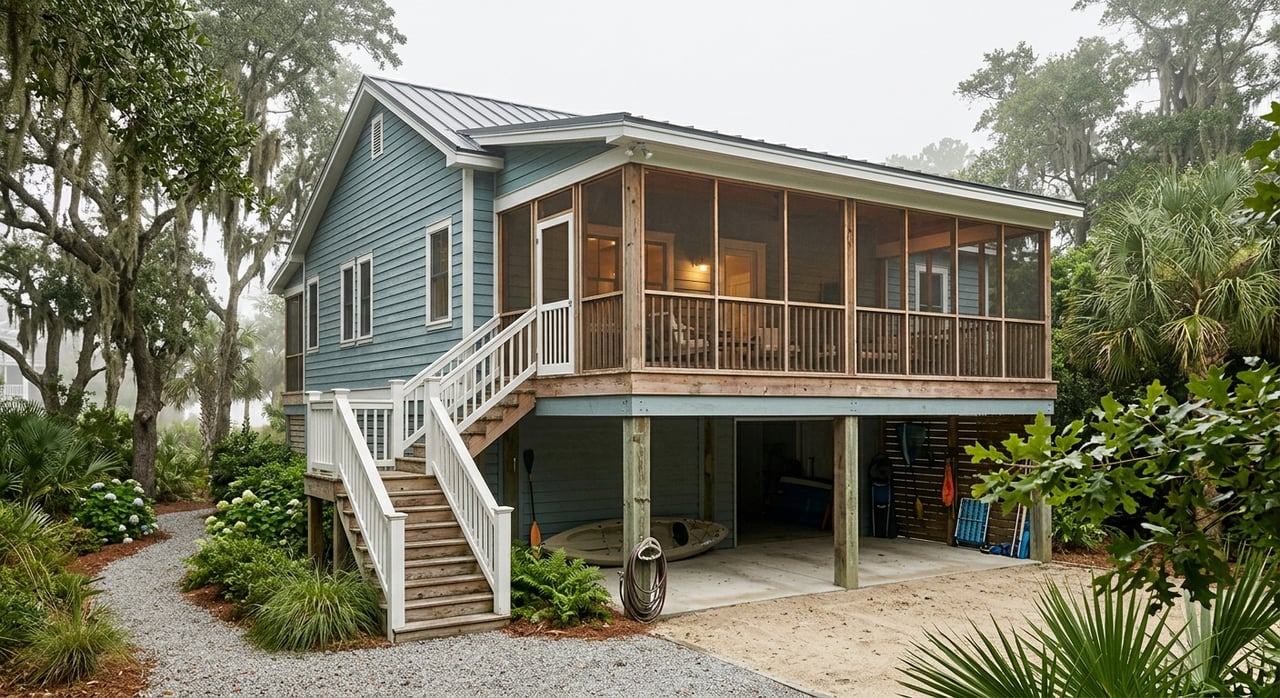
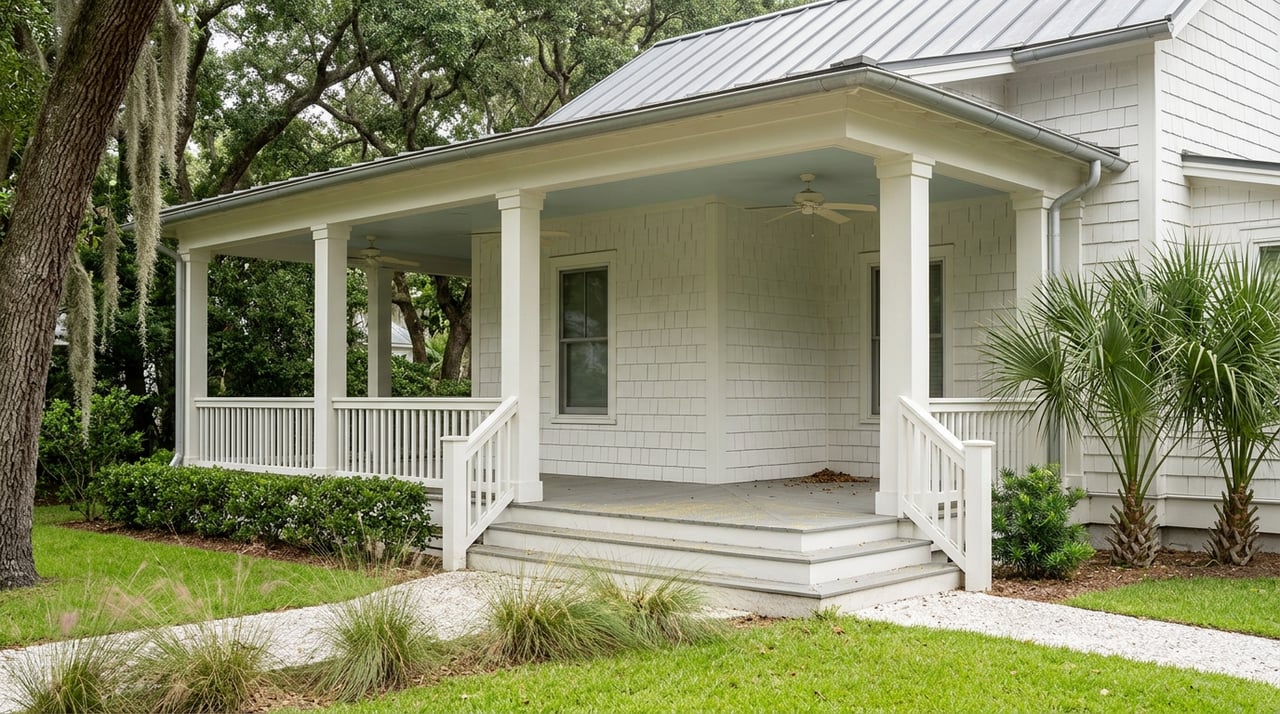
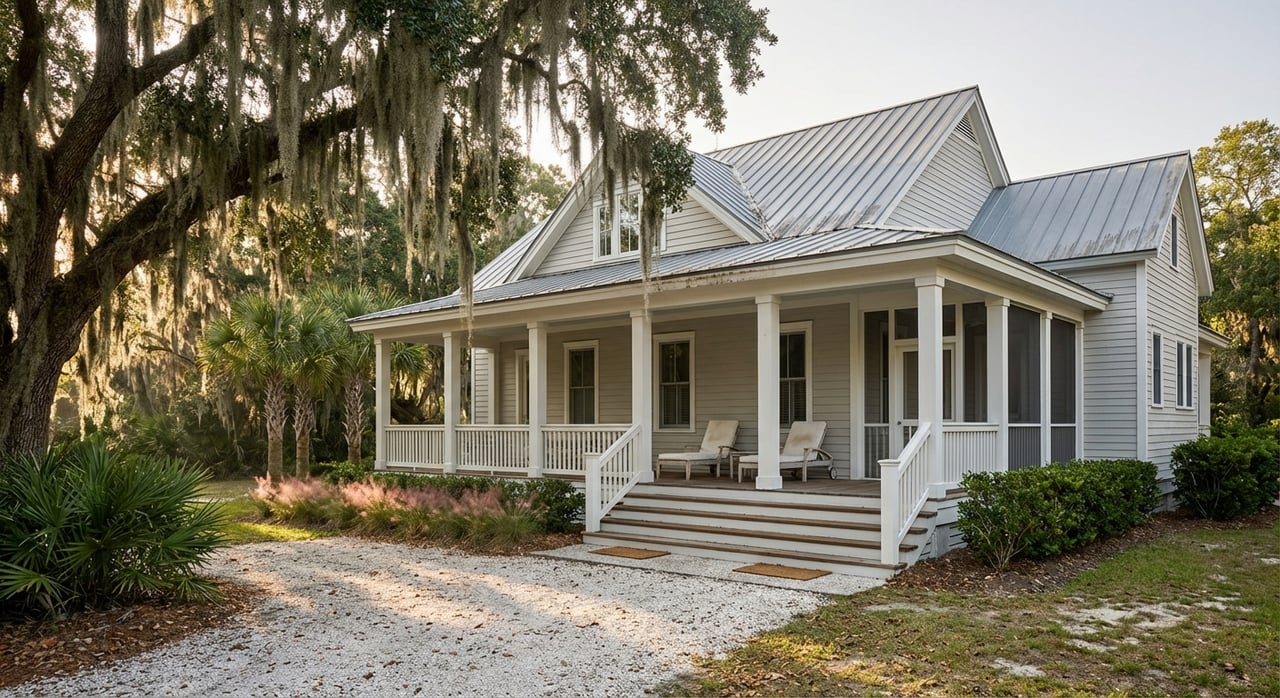
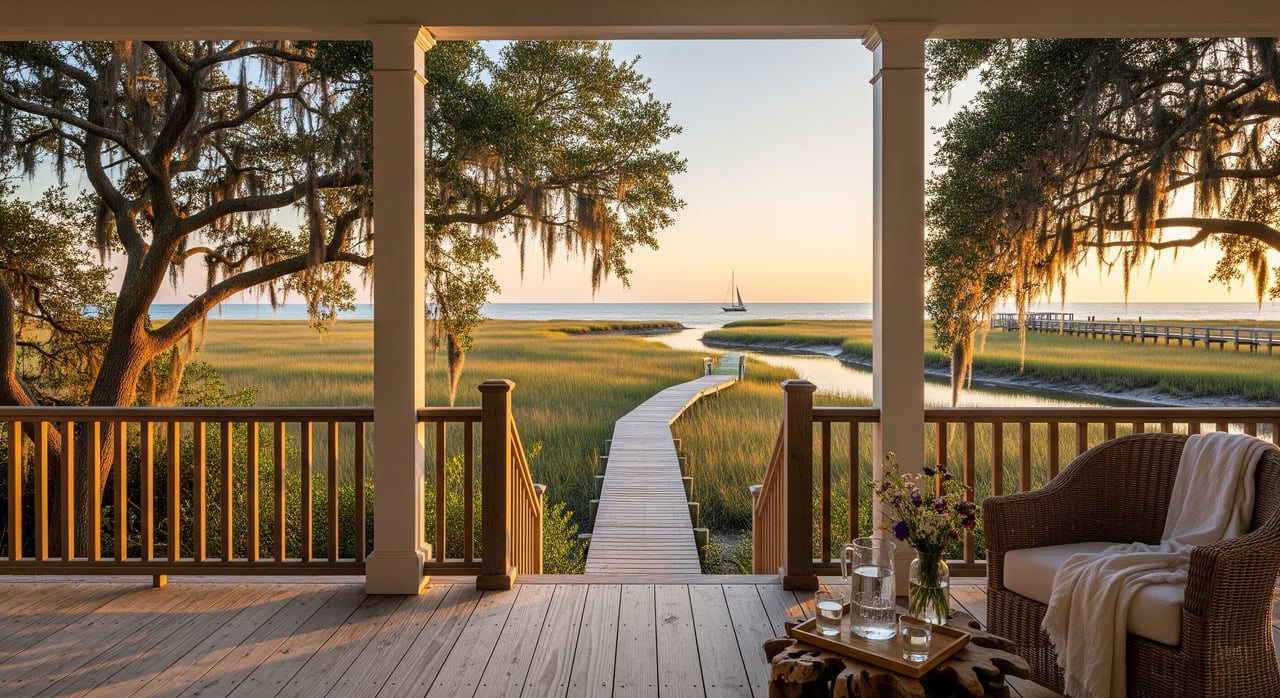
St. Simons Island Club, also called Island Club at the Retreat, is a gated, Sea Island–adjacent community centered near the Retreat Golf Course and clubhouse. You’ll find a mix of smaller “cottages” and larger single-family homes alongside shared amenities like a clubhouse, pool, tennis and pickleball, and on-site dining. Some parcels are eligible for Sea Island Club membership privileges, depending on the property.
The Property Owners’ Association is an incorporated entity, which signals formal governance, budgets and rules you can review before you buy. You can verify the association’s corporate status through the state’s business filings for the St. Simons Island Club Property Owners’ Association.
- Reference: See the association’s Georgia corporate filing for confirmation of its incorporated status and name history in the Secretary of State records. Georgia Secretary of State business filing
Condo vs cottage: daily life
Maintenance and repairs
- Condos: The association typically handles exterior structure, roofs where shared, landscaping, and common-area amenities. Your hands-on work is lighter, but you pay regular dues and can face special assessments if reserves are low.
- Cottages: You usually handle the entire exterior and site. That means budgeting for roof, siding, paint, HVAC servicing, yard and pest control. You get more control and privacy, but more ongoing responsibility.
Predictability and reserves
- Condos: Ask for the annual budget, recent financials and the latest reserve study. Strong reserves help stabilize dues and reduce surprise assessments. A lack of transparency is a red flag.
- Cottages: Plan your own maintenance reserve. A simple rule of thumb is to set aside a small percentage of replacement cost each year, then adjust for the home’s age and condition.
Insurance and liability
- Condos: You will likely carry an HO-6 policy for your interior and personal property. The master policy covers common areas and may cover the exterior shell, subject to the covenants. Confirm what the master policy includes and whether a portion of the master deductible can be passed to owners.
- Cottages: You will carry a standard homeowners policy that covers the full structure. On the coast, many policies include separate hurricane, named-storm or wind deductibles that are percentage-based. Get written quotes and ask how those deductibles are triggered. For a plain-English overview of hurricane and wind deductibles, see the National Association of Insurance Commissioners guide. NAIC hurricane deductibles overview
Amenities, privacy and customization
Amenities and lifestyle
If you want easy access to a clubhouse, pool and racquet courts with minimal upkeep, condo-style living often fits well. Associations inside master-planned, amenity-rich communities are designed to keep common spaces looking great without you scheduling vendors.
Privacy and layout
- Condos: Expect shared walls and less private outdoor space. The trade-off is convenience and proximity to community amenities.
- Cottages: You typically get more separation, a yard or private porch, and easier options for pets and outdoor living.
Customization and exterior changes
- Condos: Exterior paint, windows and structural changes usually require board approval. Architectural guidelines govern what is allowed.
- Cottages: You have more freedom to remodel, add features or change landscaping. Local building codes still apply, and the HOA may have architectural standards that require approval.
Renting rules and reality
County requirements you must follow
If you plan to rent for fewer than 30 consecutive days, Glynn County requires you to obtain a short-term rental certificate and remit accommodation excise taxes. The county also enforces rules on noise, parking and trash, and operates a 24-hour complaint hotline. Start with the county’s short-term rental guidance to understand registration and compliance steps. Glynn County short-term rental information
HOA rules vs county rules
County permits and taxes are required in addition to any HOA restrictions. An association can limit or prohibit short-term rentals, set minimum stay lengths, cap the number of rentals or require owner-occupancy. Always confirm rental rules in the recorded covenants, rules and recent meeting minutes. When you go under contract, request the resale certificate or estoppel so you have rental restrictions and any fees in writing. For a helpful overview of Georgia resale certificates and estoppels, see this guide. Understanding Georgia resale certificates
Seasonality and income
St. Simons draws strong seasonal demand in spring, summer and holiday periods. Nightly rates and occupancy shift through the year and vary by location, size and view. Before you count on income, use recent platform analytics and a local manager’s profit-and-loss data to model cash flows conservatively.
Financing when rentals matter
Loan options can differ if you plan to use rental income. Some investors use DSCR or other investor-focused programs. For condos, lenders also underwrite the project itself, looking at reserves, owner-occupancy ratios, litigation and insurance. FHA and VA loans may require project or single-unit approvals. Ask a lender early whether the specific condo project is eligible. This condo financing guide outlines the typical project-approval steps. Condo financing and project approvals
Money on the coast
HOA dues and what they cover
Association dues typically fund management, common-area insurance, grounds, pool and amenities. Some cover water or trash service. Staffed or amenity-heavy communities tend to have higher dues. Do not guess. Use the resale certificate for the current amount, what it covers and whether a special assessment is pending. Understanding Georgia resale certificates
Georgia property taxes
Georgia generally assesses real property at 40 percent of fair market value. Your final bill depends on the combined millage rates for county, school and special districts. For a straightforward explanation of assessed value and exemptions, review the state’s tax guide, then confirm parcel-specific millage with Glynn County. Georgia property tax guide
Flood and wind risk
Flood risk varies by address on the coast. Check the property’s FEMA flood zone and the current Flood Insurance Rate Map panel using FEMA’s Flood Map Service Center. Many lenders require NFIP flood insurance for homes in Special Flood Hazard Areas. Ask for an elevation certificate if one exists and get written quotes for homeowners, flood and any separate wind coverage before you finalize an offer. FEMA Flood Map Service Center
Coastal policies often include separate hurricane or wind deductibles that are percentage-based. Confirm the deductible percentage and what triggers it, such as named-storm, hurricane or any wind event. NAIC hurricane deductibles overview
Due diligence checklist
Use this list to verify key items before you commit.
- Ownership type and lot: Confirm whether the home is a condominium or fee-simple lot in an HOA. Review the recorded Declaration and plat. If needed, verify the association’s corporate status. Georgia Secretary of State filing
- Current association documents: Request CC&Rs, Bylaws, Rules, the most recent budget, financial statements, reserve study, insurance declarations and the past 12 months of board minutes.
- Resale certificate or estoppel: Get current dues, unpaid balances, pending or approved special assessments, rental restrictions, owner-occupancy requirements and any STR registration steps. Georgia resale certificate overview
- Short-term rental compliance: If you plan to rent for fewer than 30 days, confirm Glynn County’s STR certificate, tax remittance and local rules, plus the HOA’s rental policy. Glynn County STR information
- Flood and insurance quotes: Look up the FEMA zone, obtain an elevation certificate if available, and secure written quotes for homeowners, flood and wind. FEMA Flood Map Service Center
- Financing pre-check: Ask your lender whether the condo project is eligible for your loan type and whether investor options like DSCR fit your plan. Condo financing and project approvals
- Taxes and utilities: Confirm assessed value, combined millage rates and expected utility providers and costs. Georgia property tax guide
Which one fits you?
Choose a condo if:
- You want low-maintenance living with built-in amenities.
- You prefer predictable dues over managing vendors yourself.
- You are comfortable with community rules that guide exterior and structural choices.
Choose a cottage if:
- You value privacy, a yard or larger outdoor living areas.
- You want more freedom to customize and remodel.
- You are prepared to budget and schedule your own maintenance.
How we help
Buying in St. Simons Island Club is about lifestyle and stewardship. You deserve clear guidance on covenants, STR rules, flood exposure and financing options, plus hands-on support if you plan to rent when you are away. Our boutique team combines on-island market knowledge with integrated, 24/7 property management to keep ownership simple.
If you want a local partner to help you compare specific condos and cottages, review association documents, estimate ownership costs and set up turnkey management, let’s talk. Connect with Linda Williams to Schedule a Free Consultation.
FAQs
What is St. Simons Island Club and how is it organized?
- It is a gated community near the Retreat Golf Course with a Property Owners’ Association; the POA is an incorporated entity under Georgia records you can verify in state filings.
What does a condo HOA usually cover at Island Club?
- Associations commonly handle exterior structure, roofs where shared, landscaping and amenities, funded by dues; confirm exact coverage and reserves in the budget, financials and insurance declarations.
Do I need county approval to run a short-term rental?
- Yes. Glynn County requires a short-term rental certificate and accommodation tax remittance for stays under 30 days, plus compliance with noise, parking and trash rules.
Can HOA rules be stricter than county rental rules?
- Yes. An HOA can prohibit or restrict rentals even if the county allows them; always confirm rental rules in the recorded covenants and the resale certificate or estoppel.
How are Georgia property taxes calculated on homes here?
- Georgia generally assesses property at 40 percent of fair market value, then applies combined millage rates; check parcel-specific rates with Glynn County.
Do coastal homes face special insurance deductibles?
- Often yes. Many coastal policies include separate hurricane or wind deductibles that are percentage-based; review written quotes to understand triggers and amounts.
Are condos harder to finance than cottages?
- Sometimes. Lenders underwrite the condo project’s reserves, owner-occupancy, litigation and insurance; FHA and VA loans may require approvals, so check eligibility early.