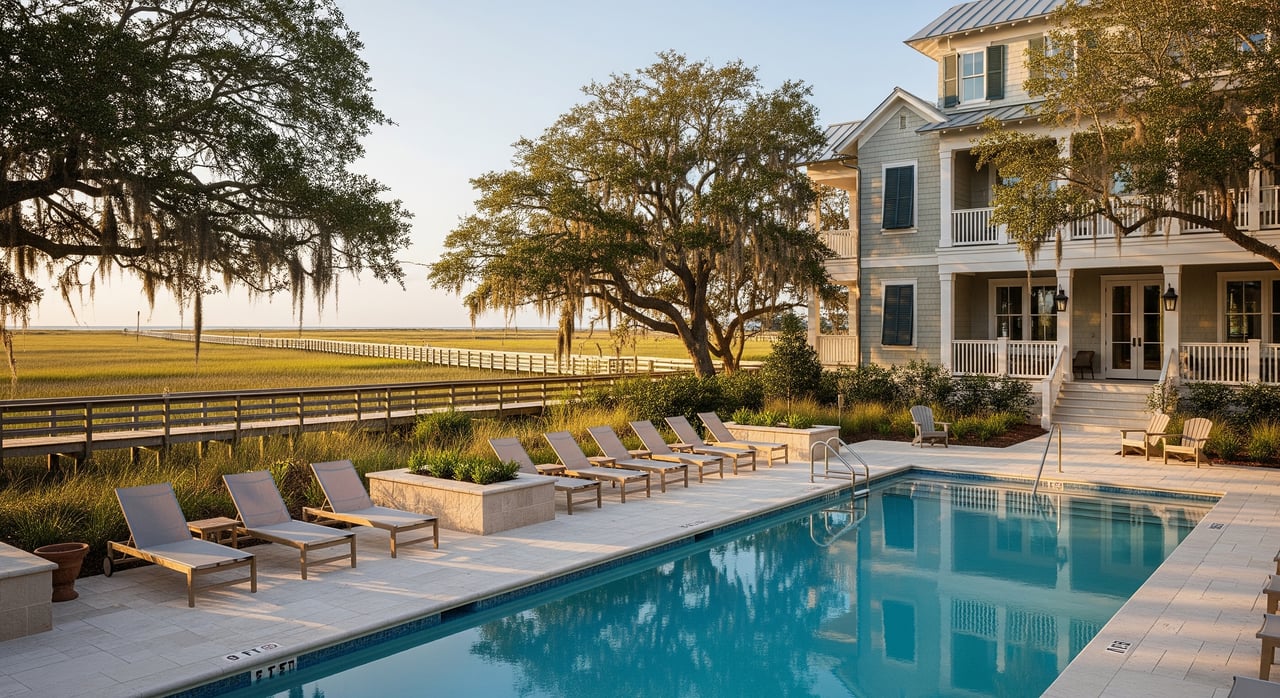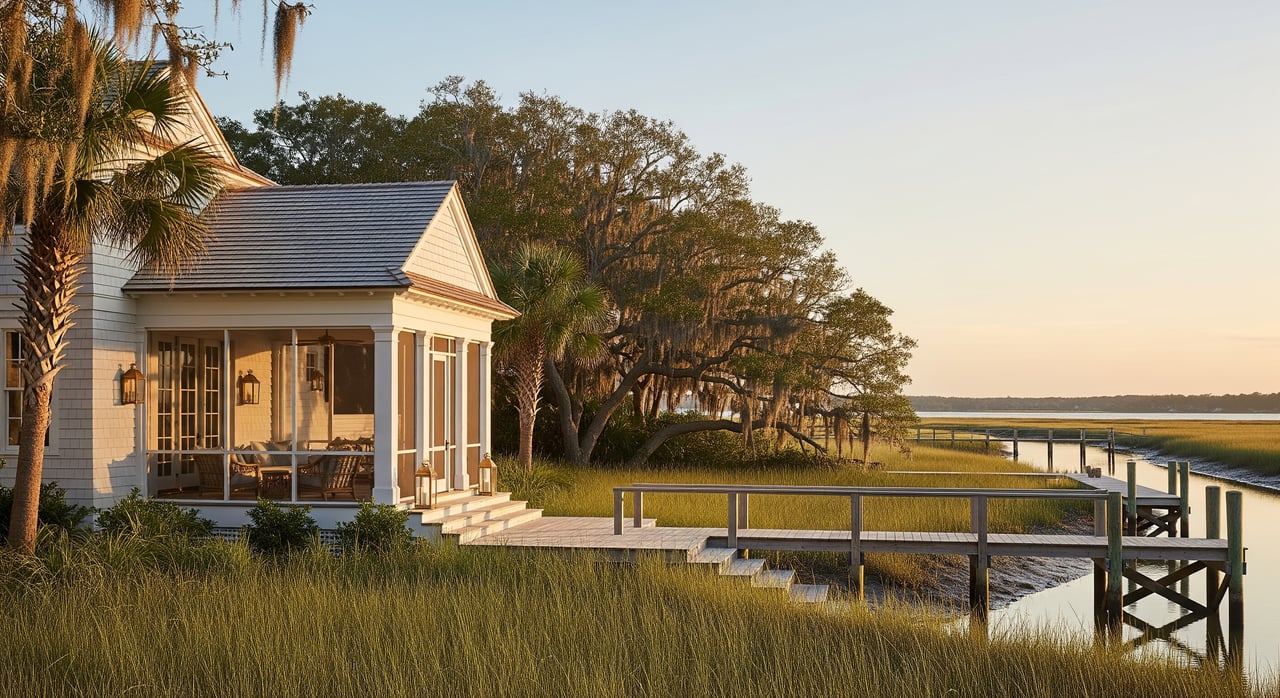
What turns a Sea Island home into a must-have the moment a buyer walks in? On this private, resort island, you are competing for attention from high-net-worth buyers who expect turnkey comfort, easy maintenance, and indoor-outdoor living that fits a beach-and-golf lifestyle. If you are buying, you want features that feel effortless year-round and resilient during coastal weather. In this guide, you will learn which upgrades matter most, how to stage them, and how to prioritize improvements for the strongest return when you sell. Let’s dive in.
What Sea Island buyers expect
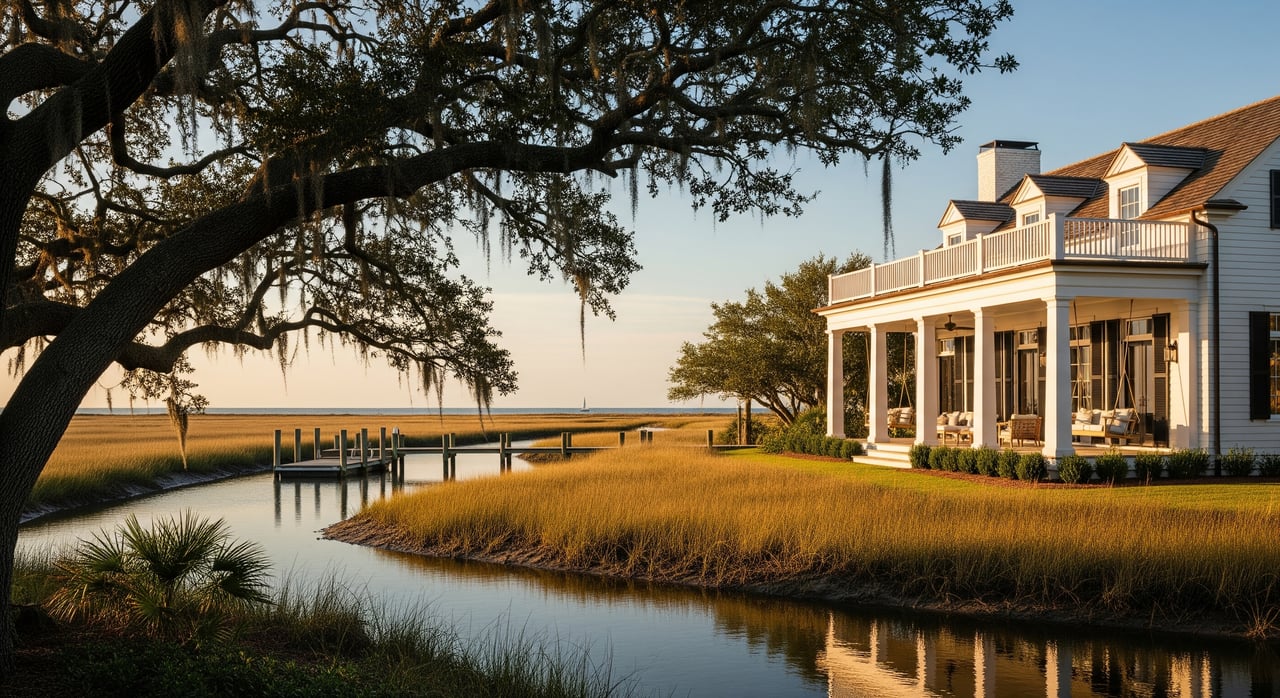
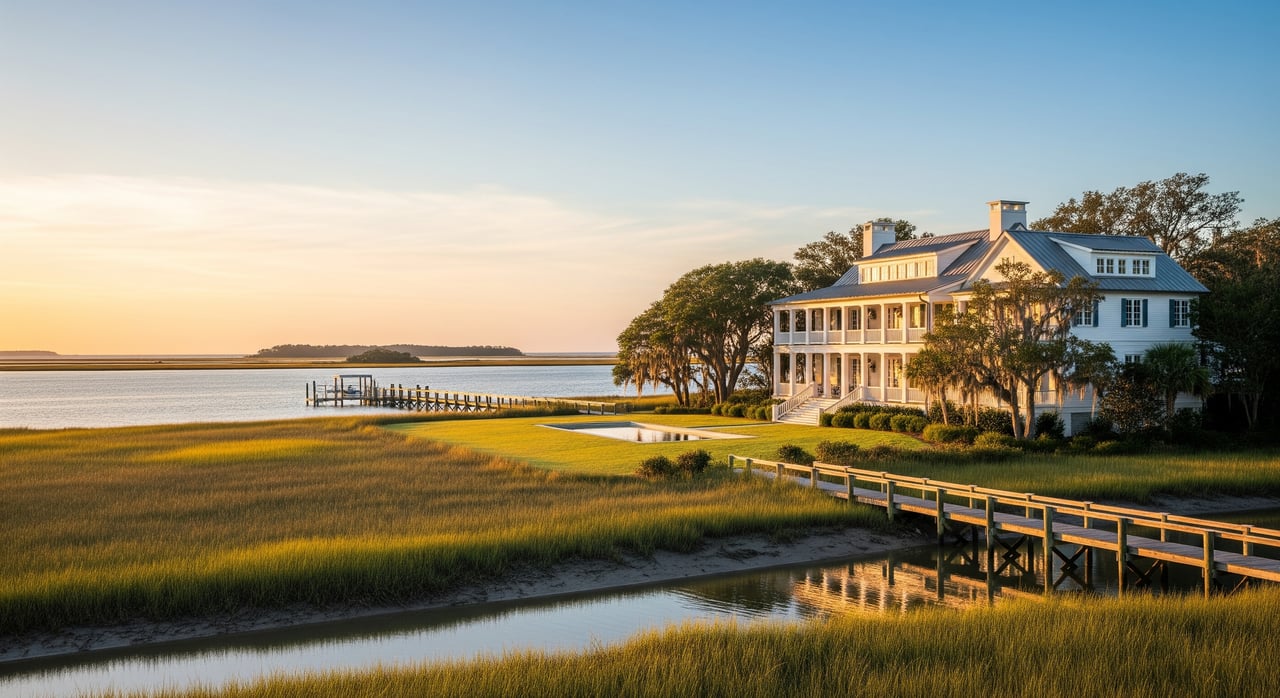
Sea Island buyers look for privacy, luxury finishes, and a seamless connection to the outdoors. Many are purchasing second homes or investment properties, so low-maintenance and storm-ready features rise to the top. Climate is a real factor. Hot, humid summers, salt air, and periodic tropical weather shape which materials last and which systems keep interiors fresh and dry. A home that addresses those realities stands out fast.
Before you begin exterior changes or add structures, confirm any community rules and Glynn County permitting requirements. Sea Island is a managed resort environment, and approvals are often needed for exteriors, additions, and utility upgrades.
Coastal features buyers love
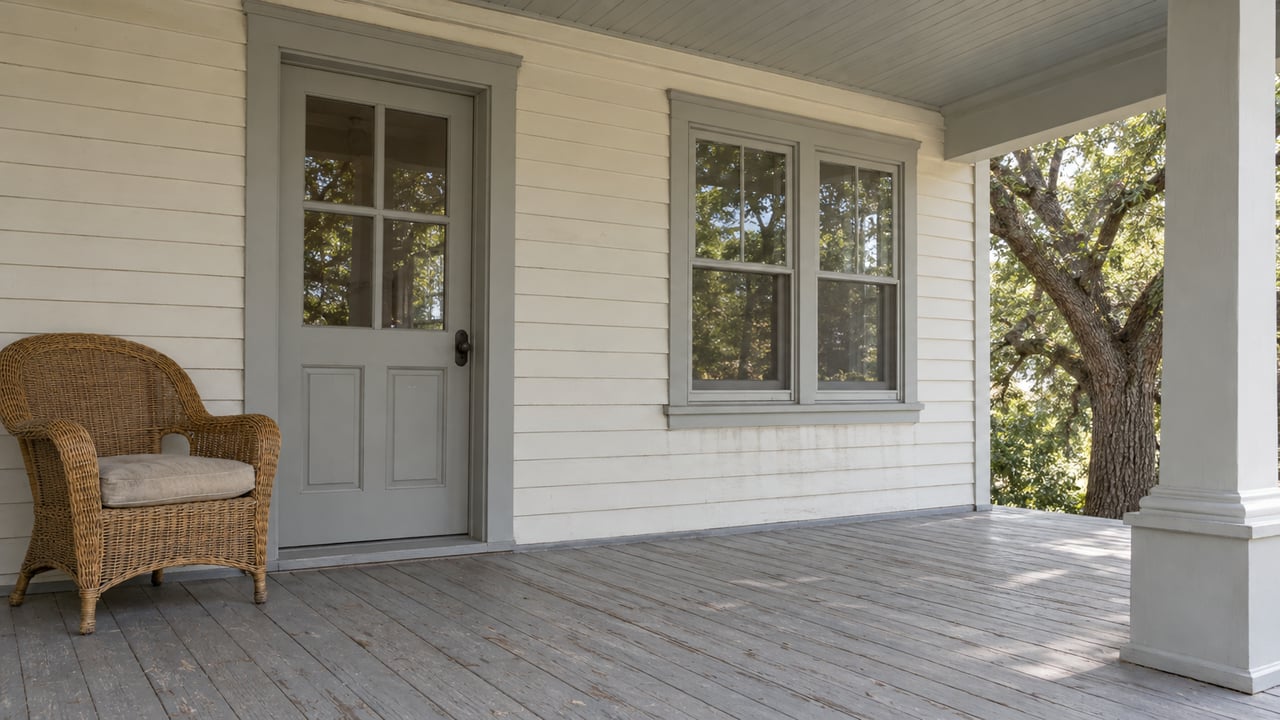
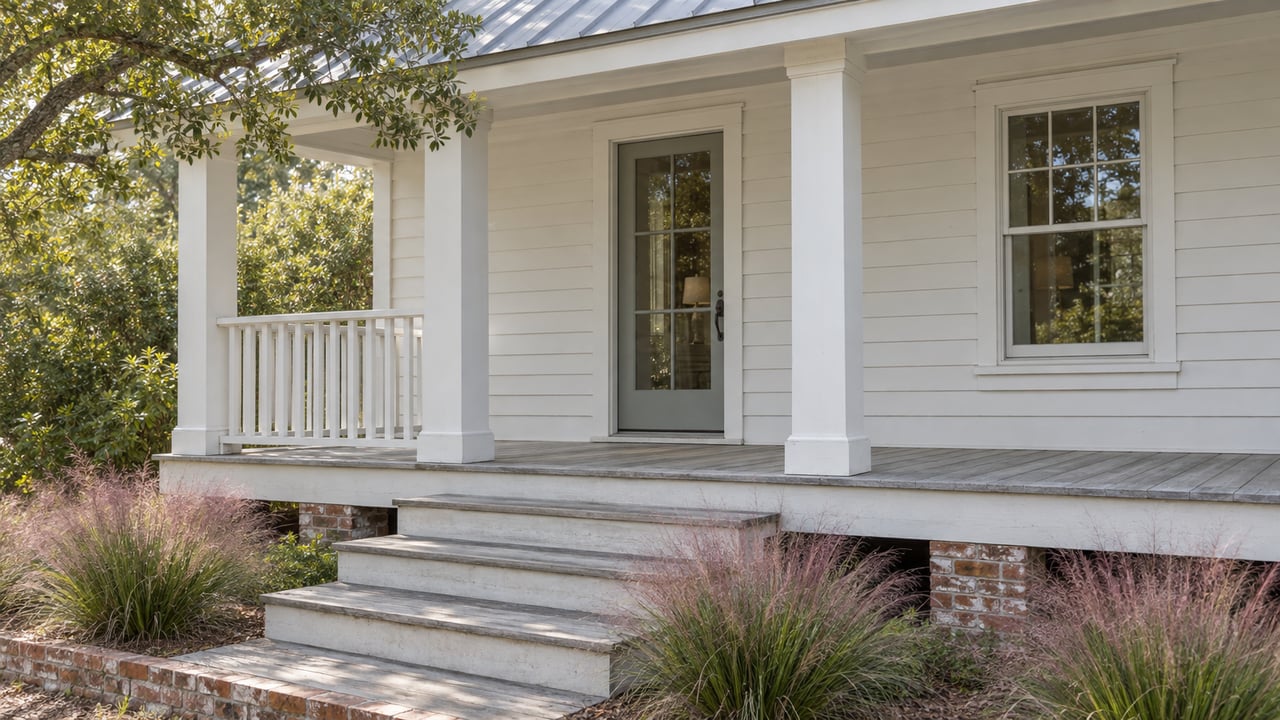
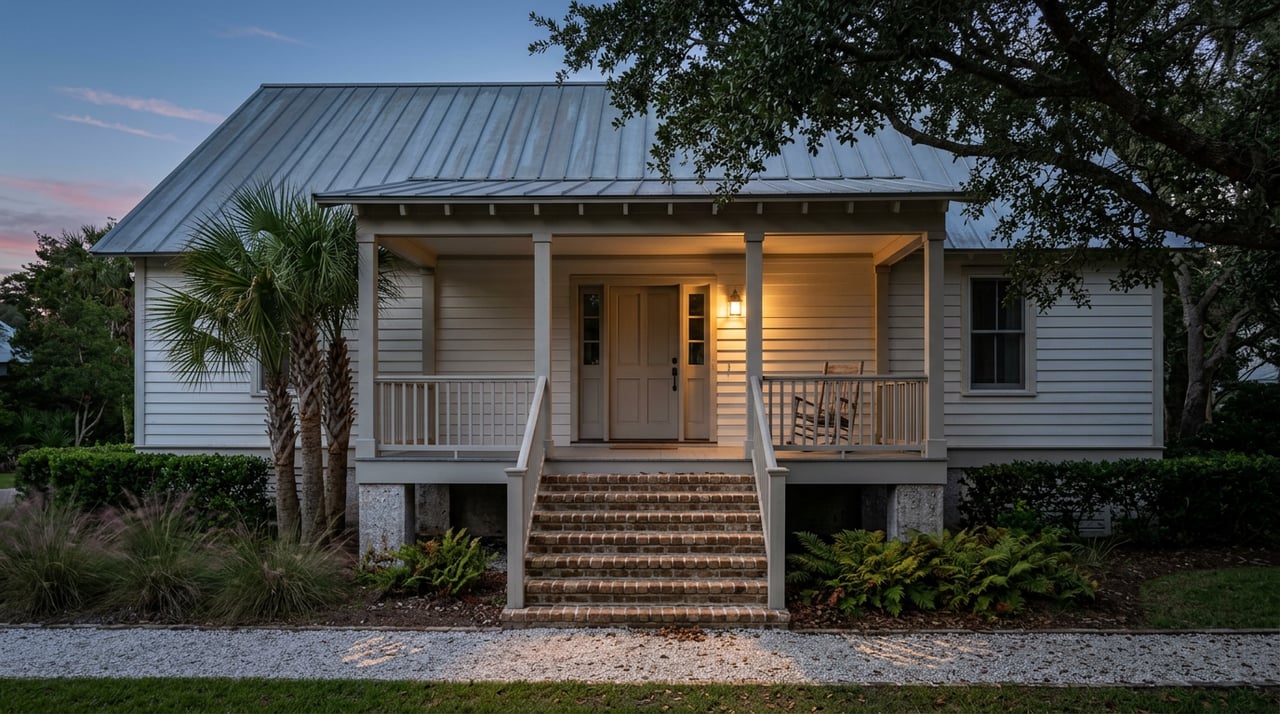
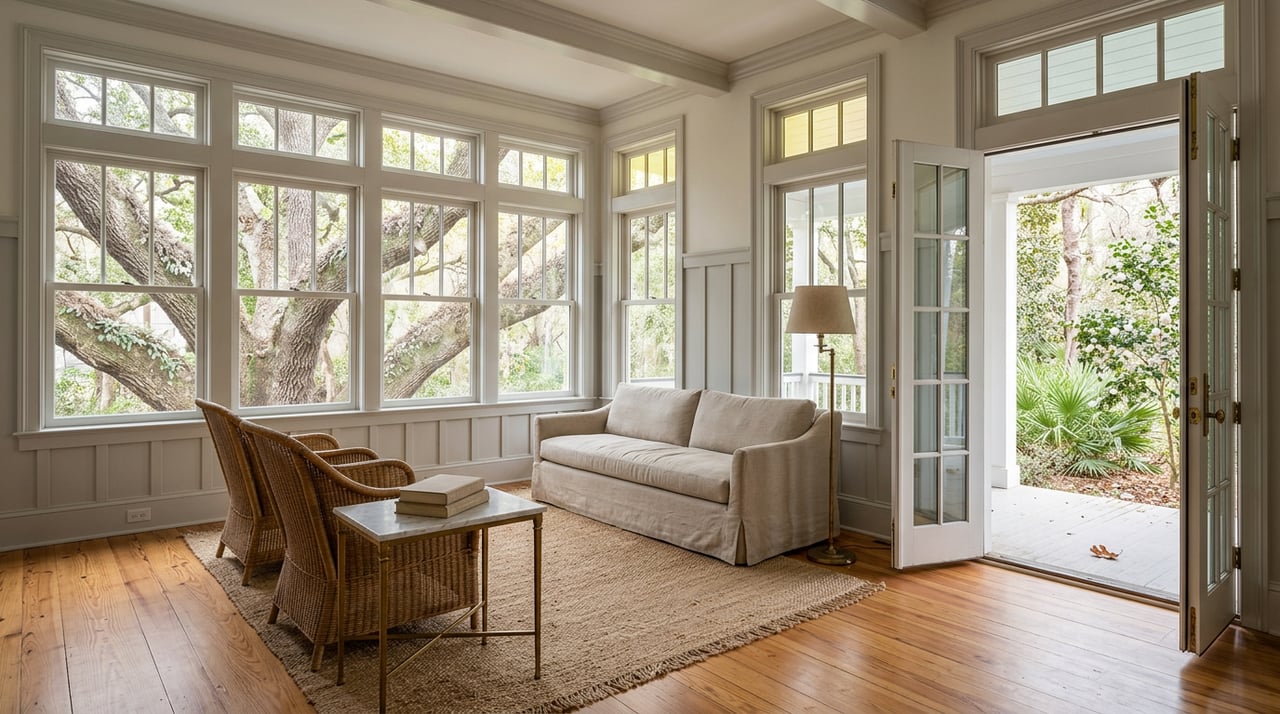
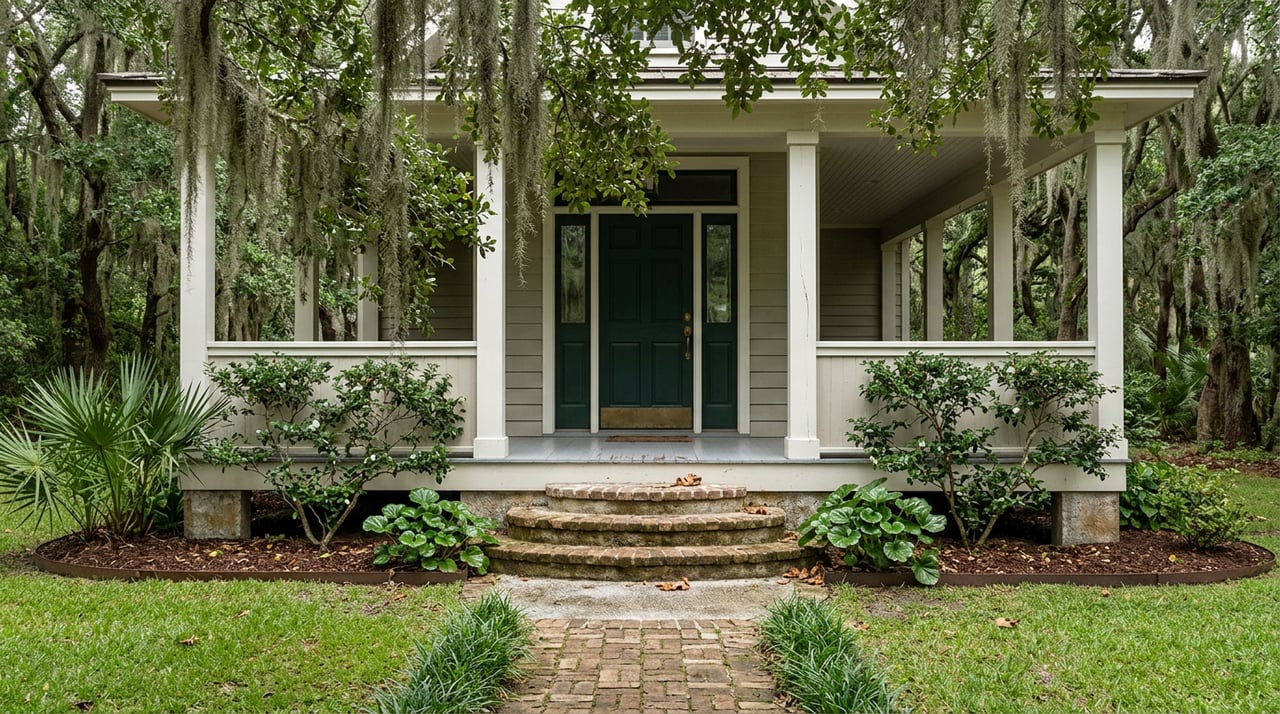
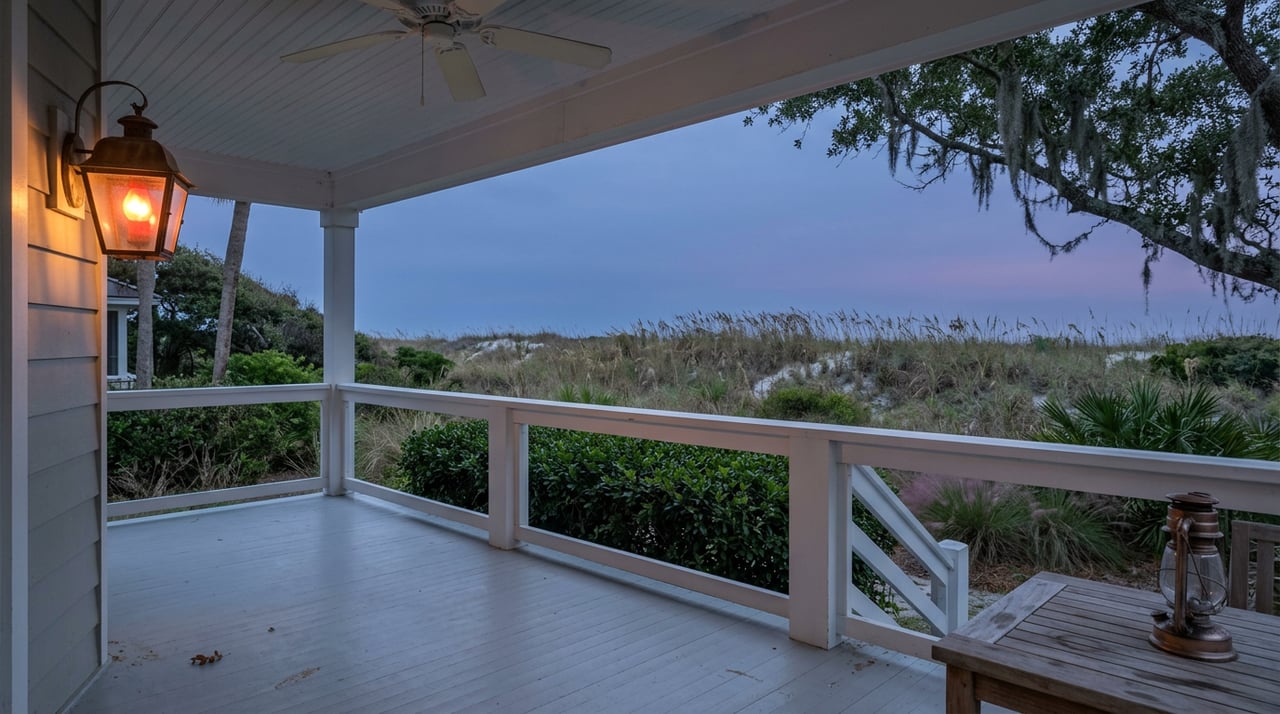
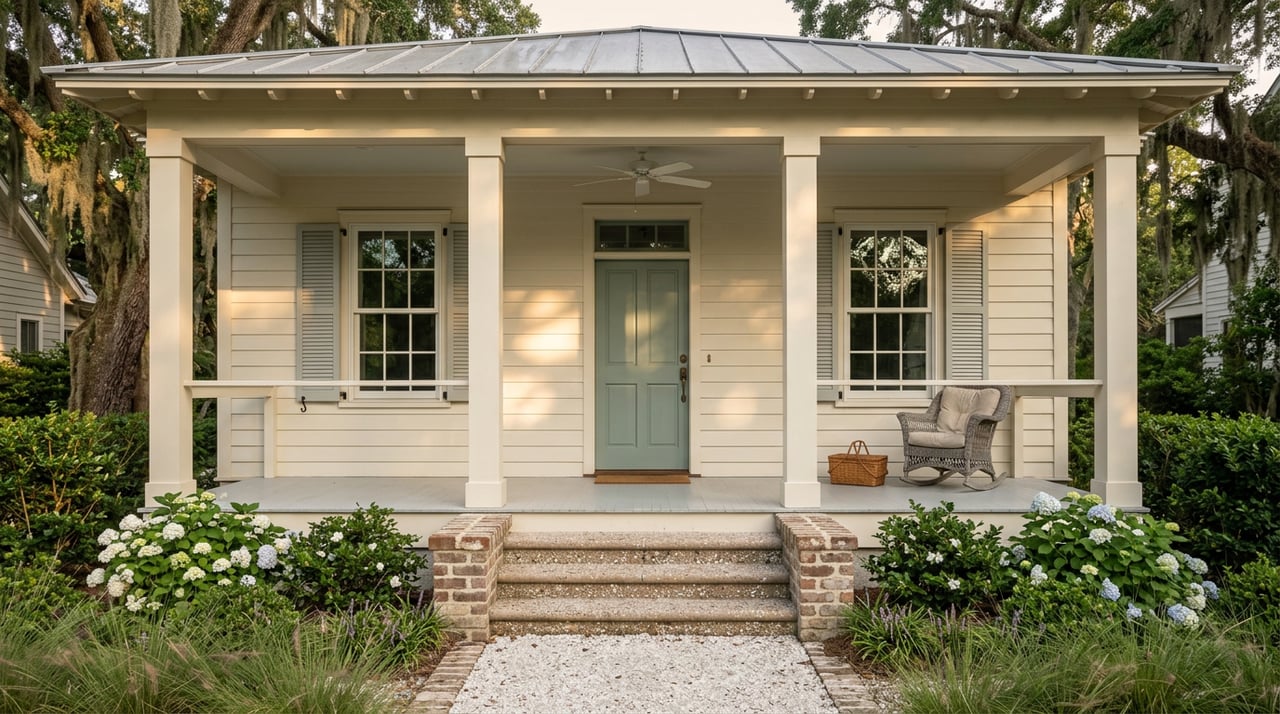
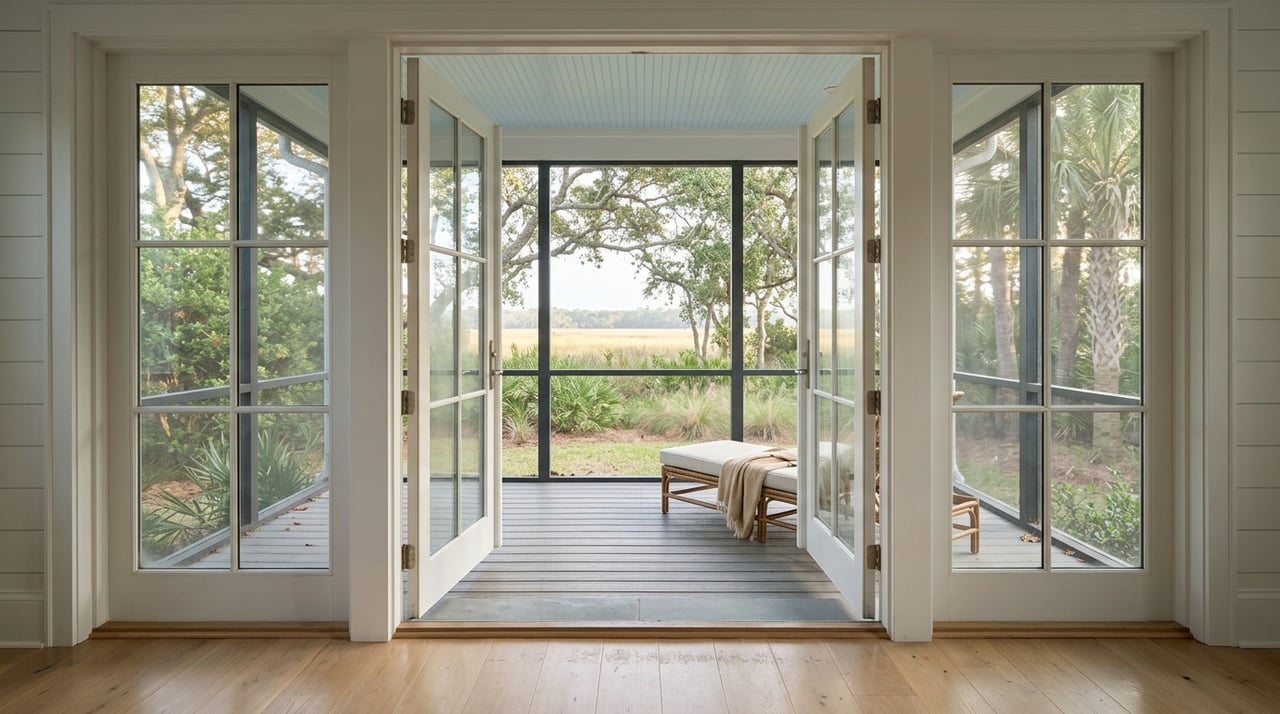
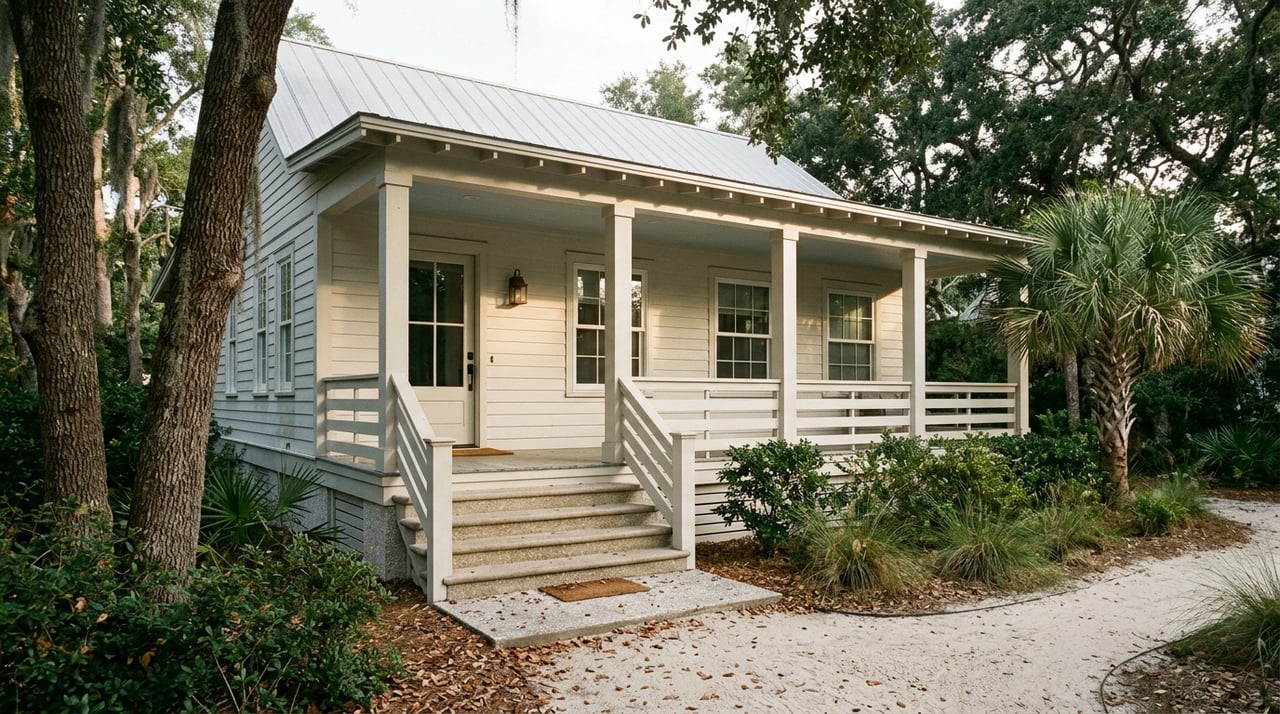
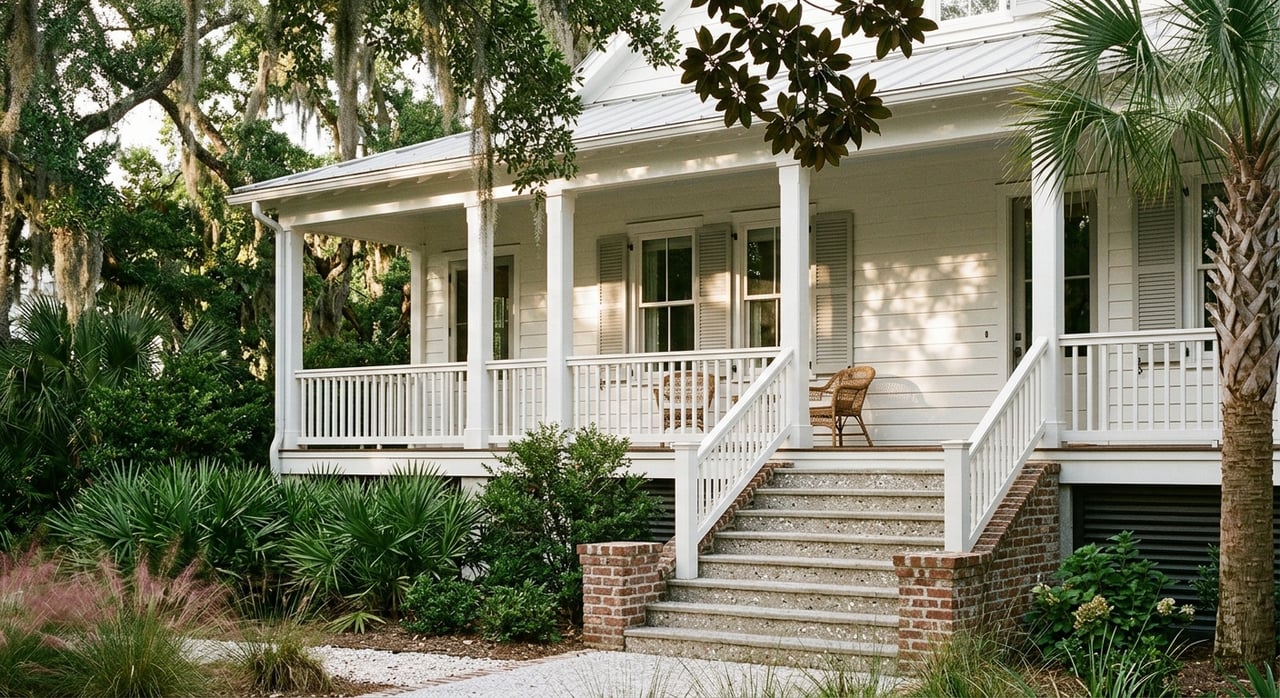
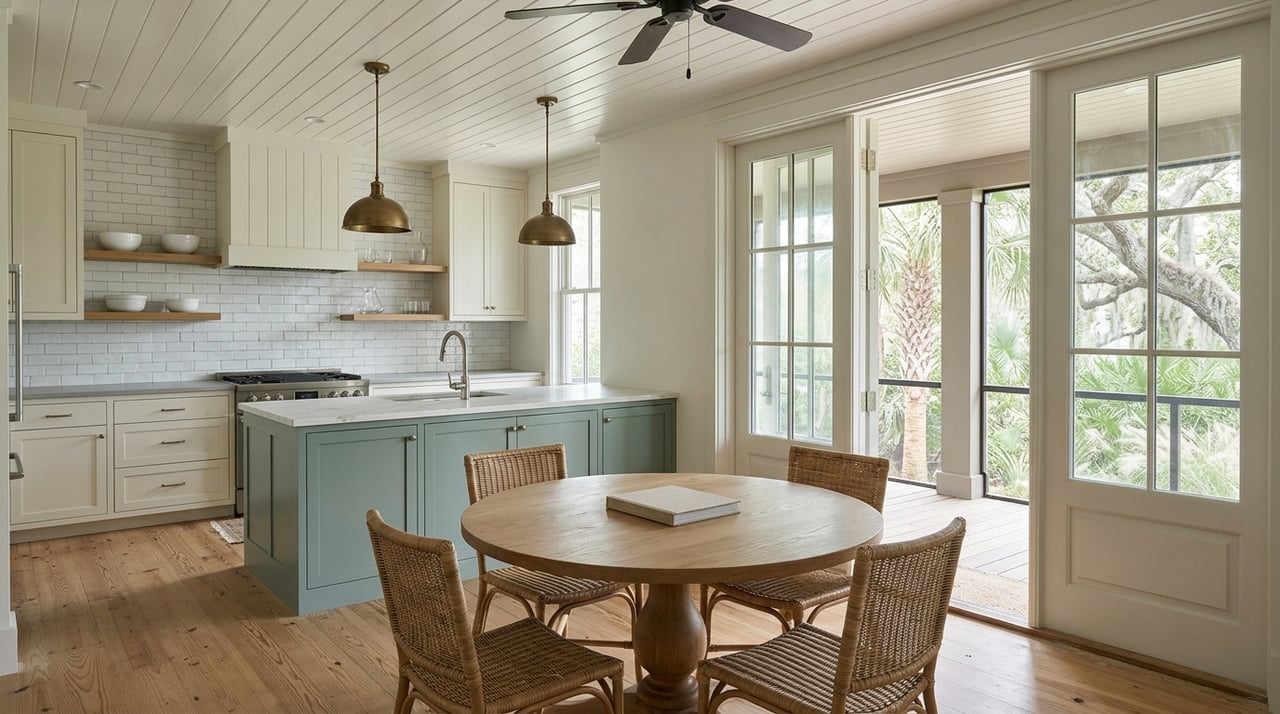
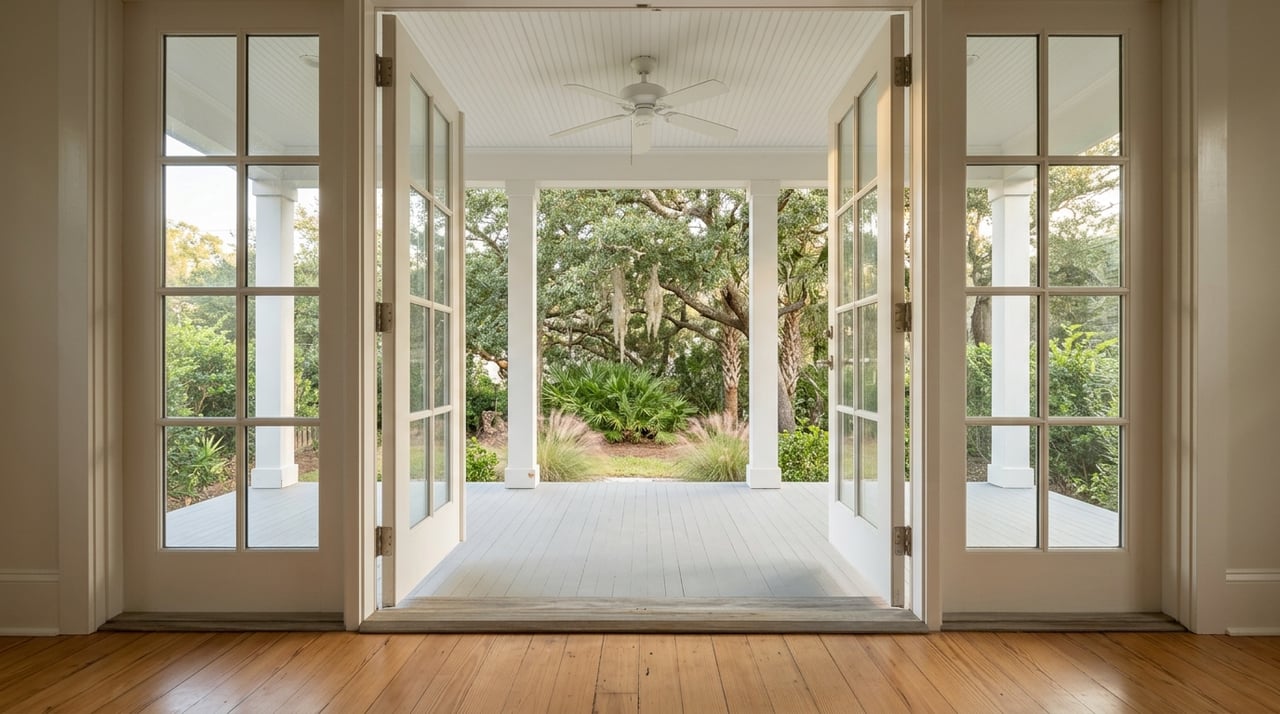
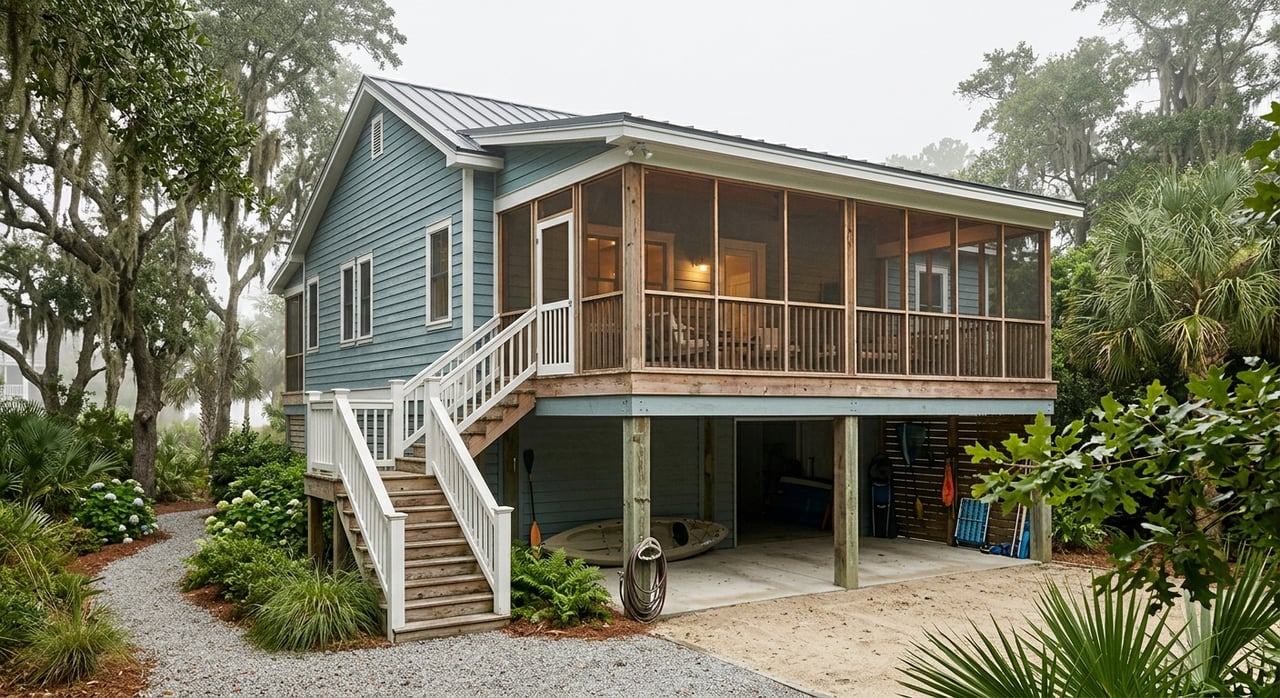
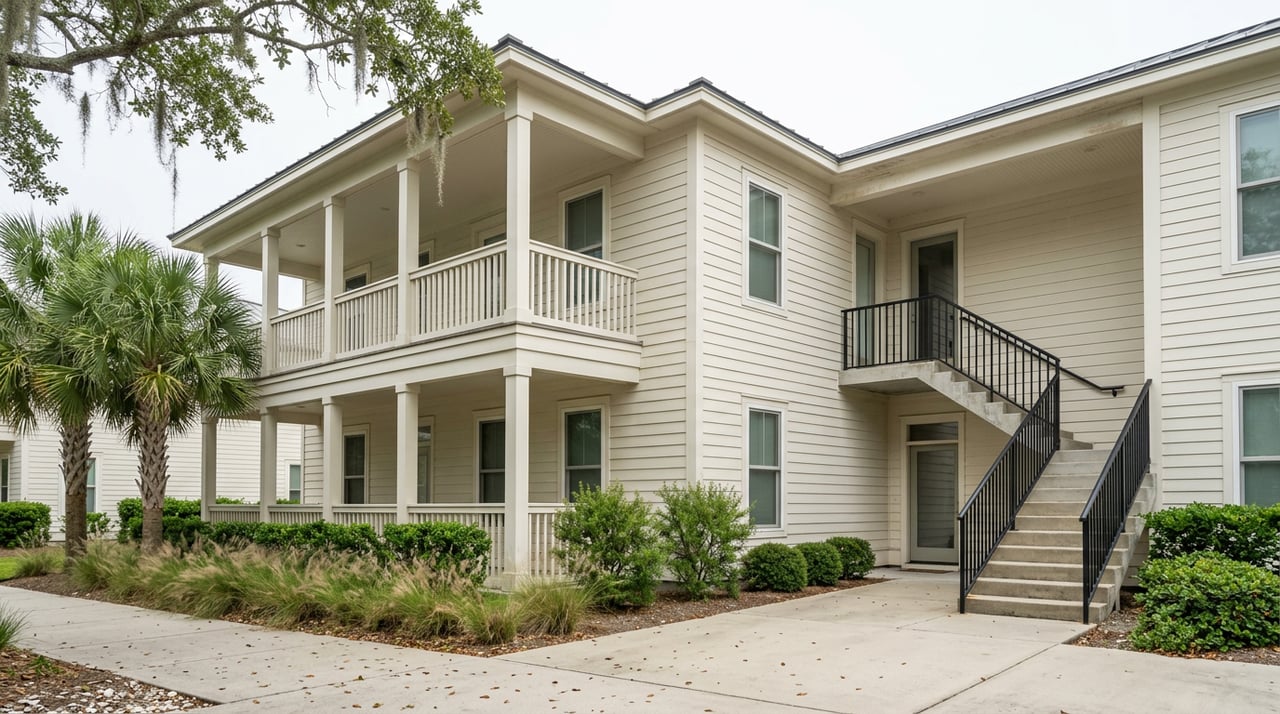
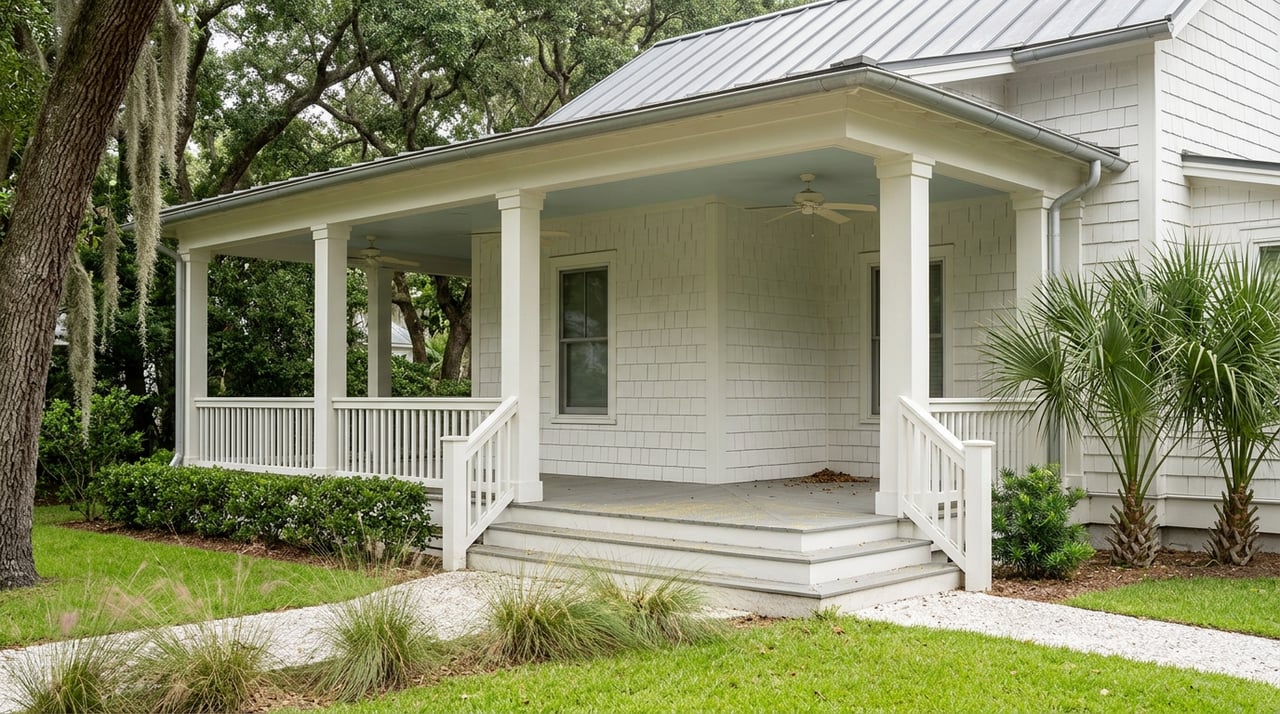
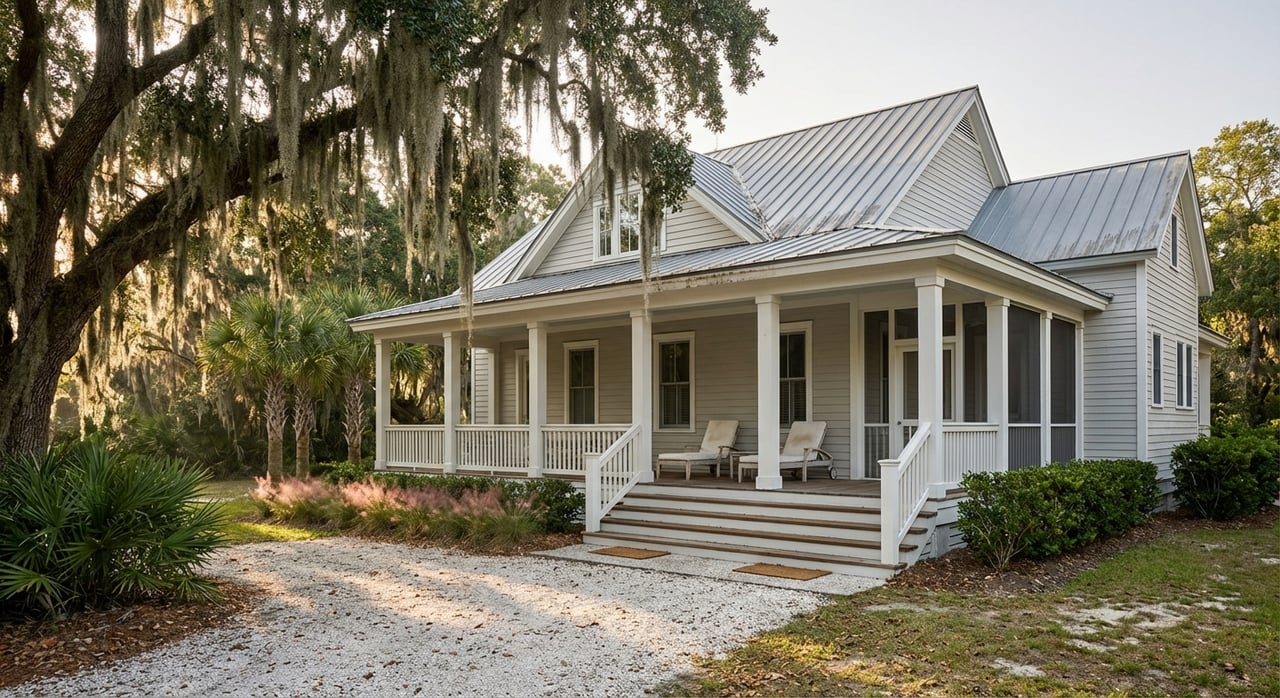
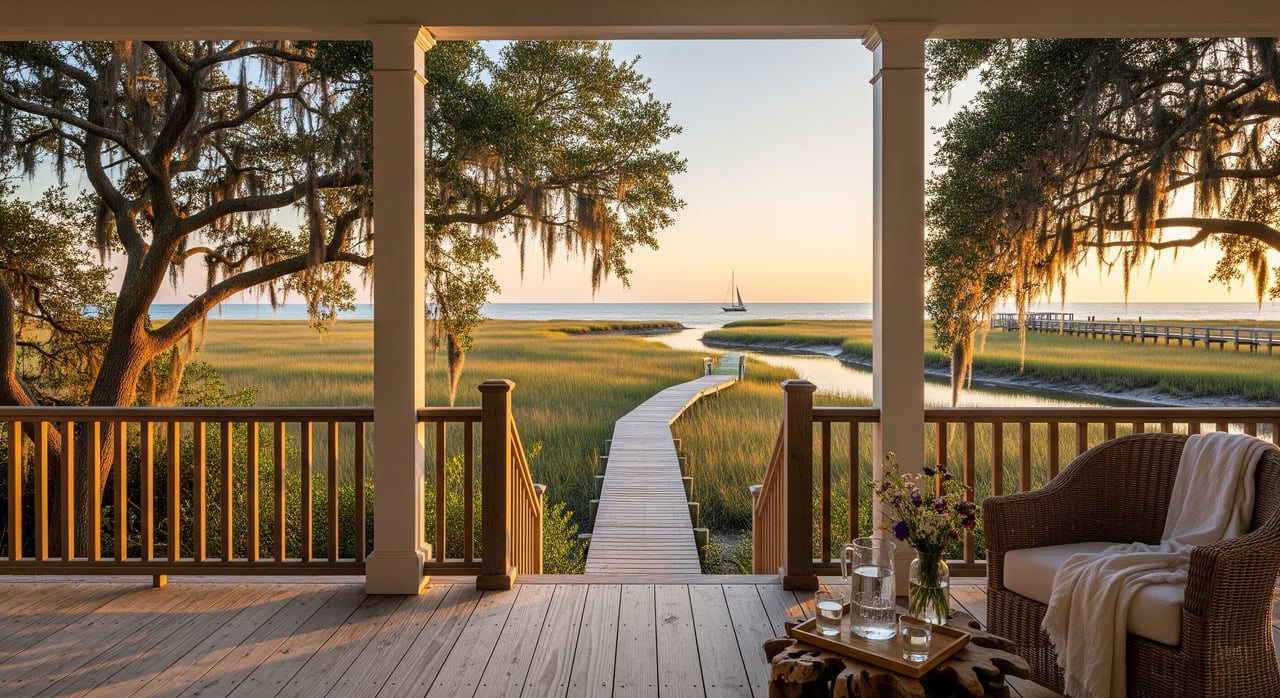
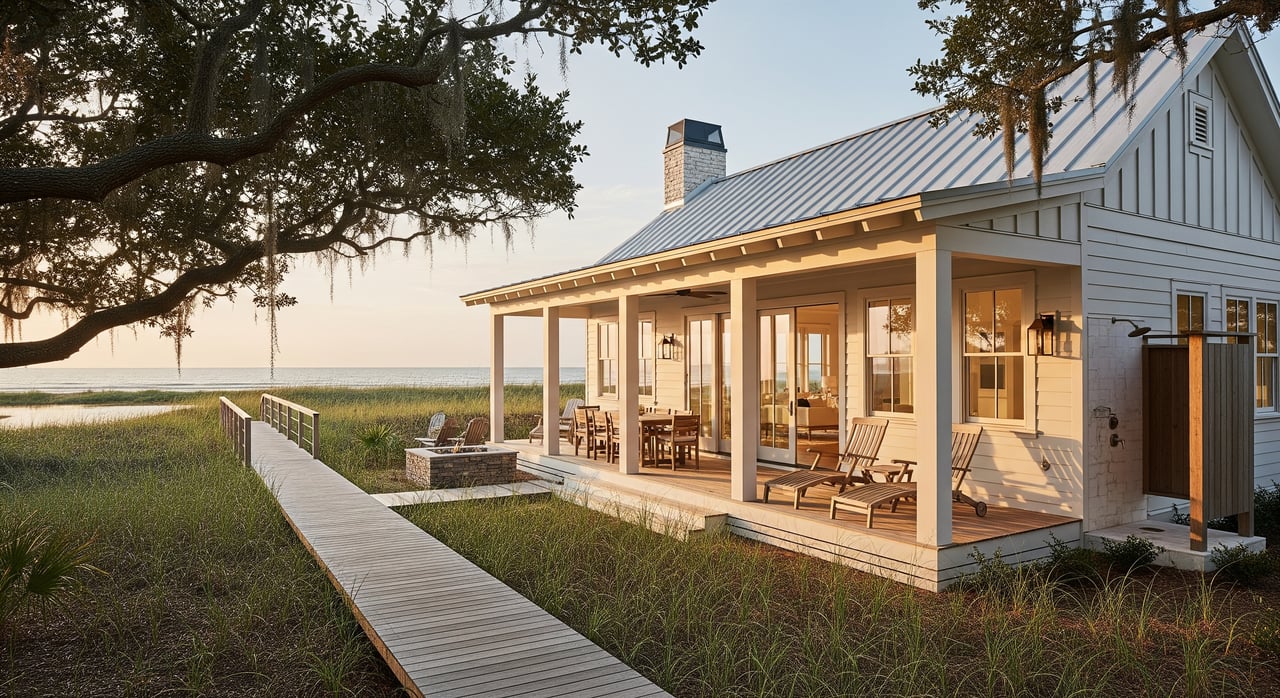
Screened porches and covered outdoor living
- Why it matters: Shade, breeze, and insect control extend your outdoor season and elevate day-to-day living. Buyers picture alfresco dinners and quiet mornings with a book.
- What to look for: Corrosion-resistant framing, marine-grade screening, exterior-rated fans and lighting, and flooring that fits local flood considerations. Composite decking or porcelain tile performs well in salt air.
- Seller tips: Keep screens spotless and sightlines open. Stage with weather-resistant furnishings, a defined dining area, and a cozy seating vignette to show function.
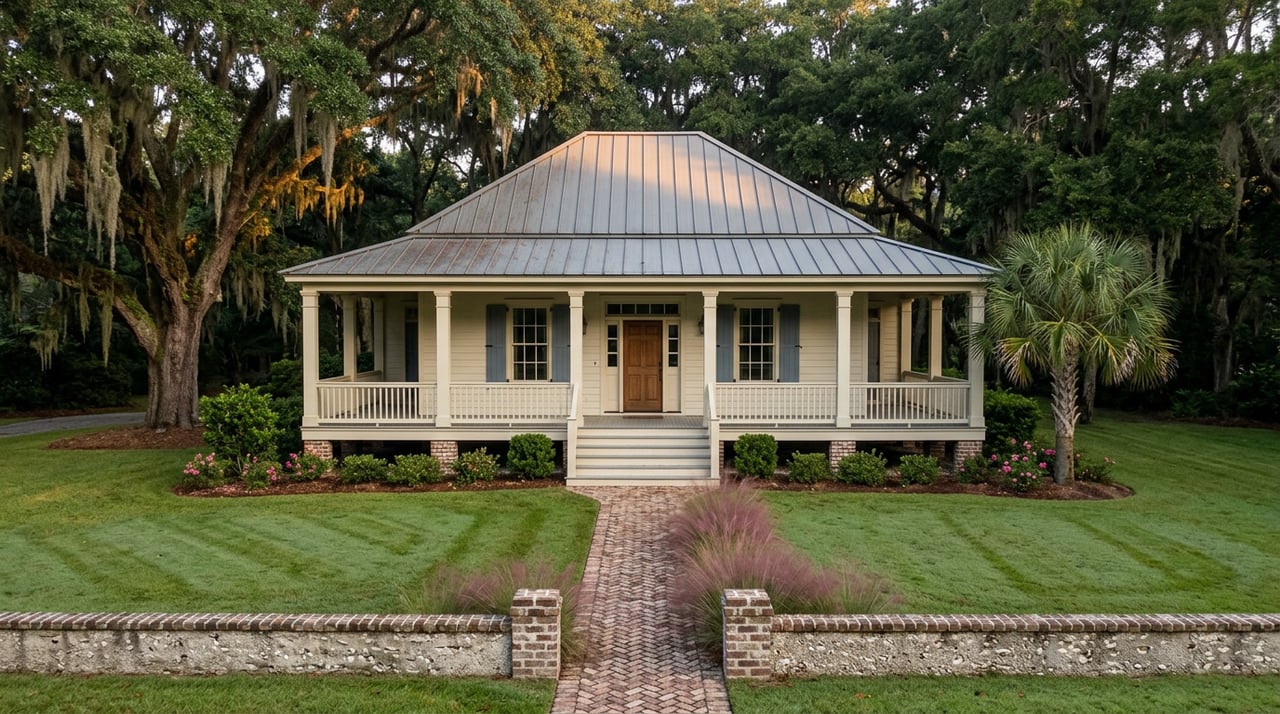
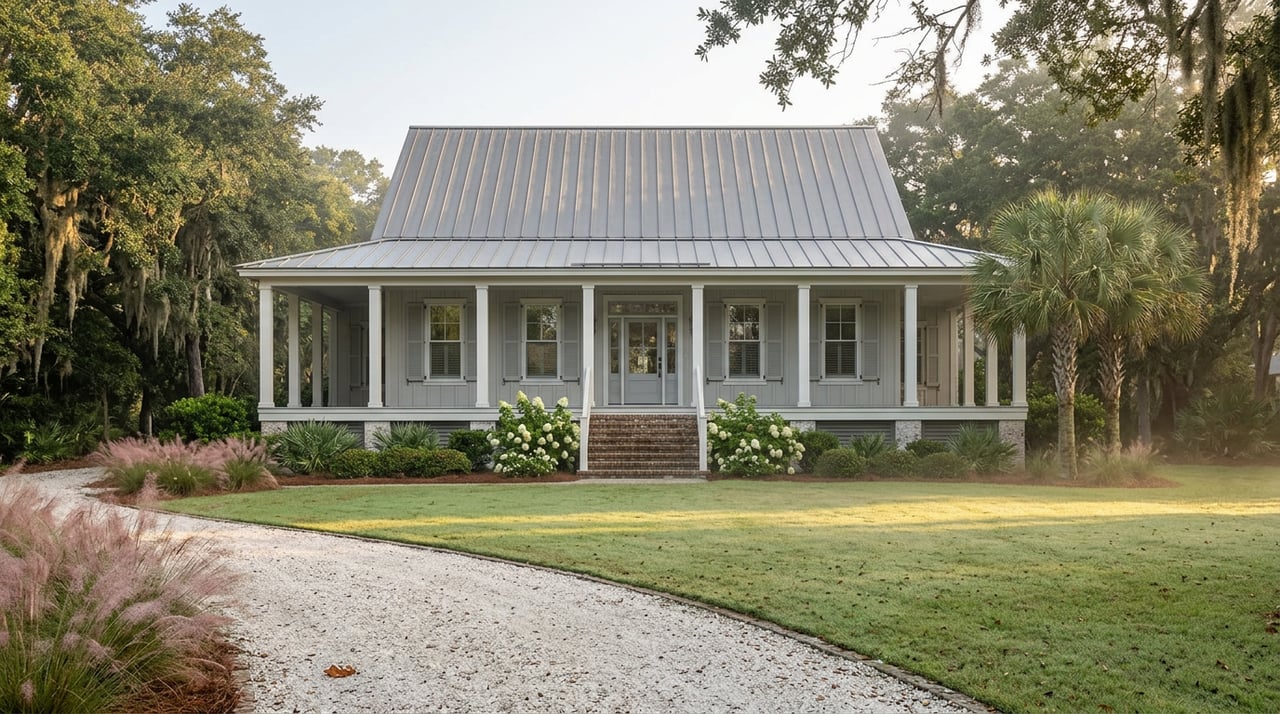
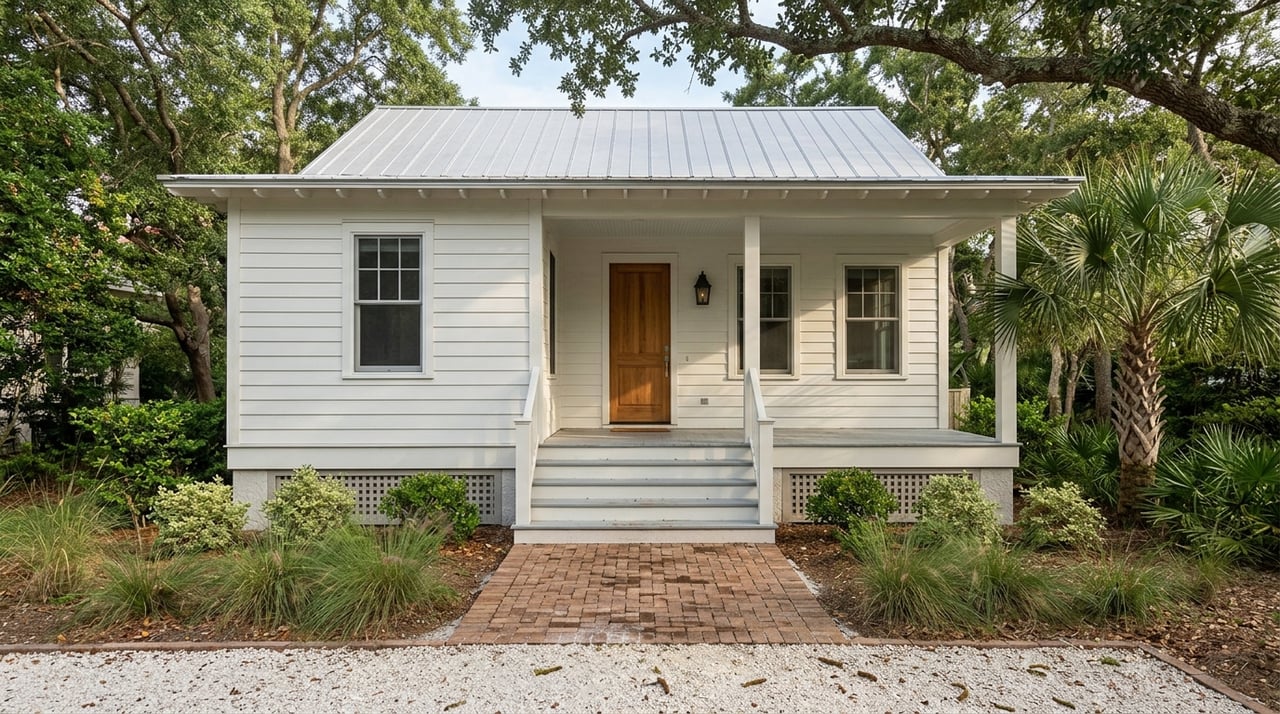
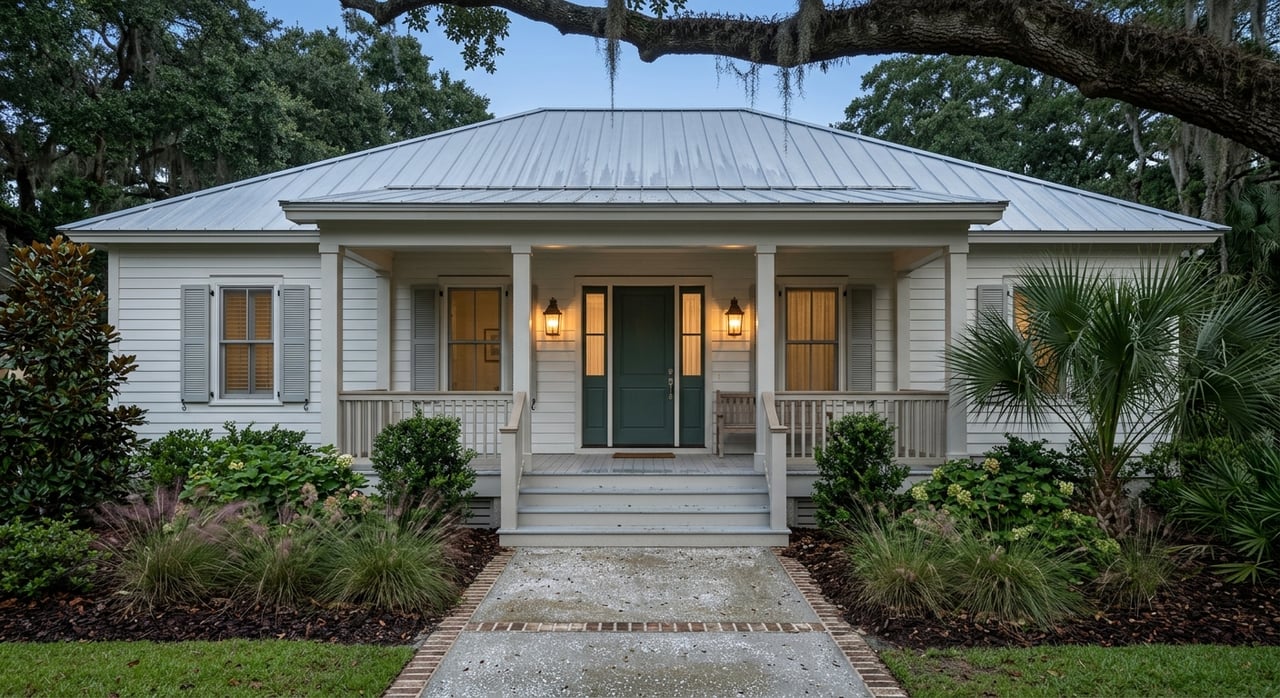
Metal roofs designed for the coast
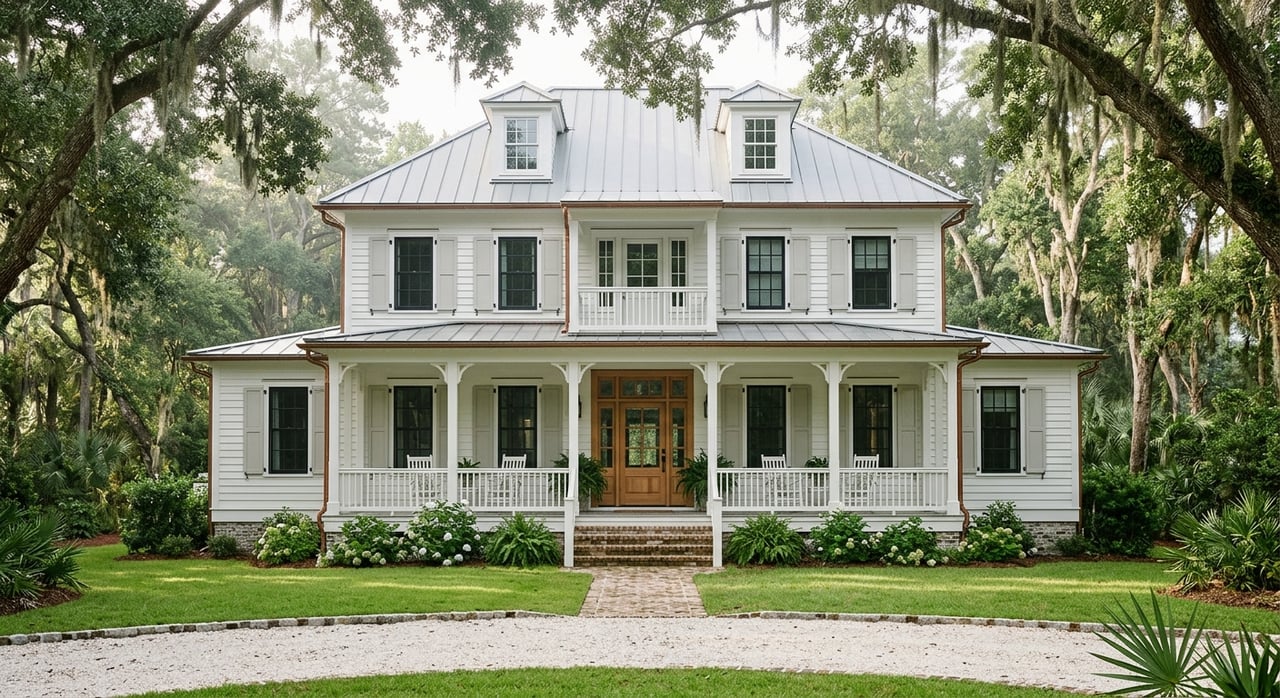
- Why it matters: Quality metal roofs signal longevity, wind resistance when properly installed, and a premium coastal look that buyers trust.
- What to look for: Marine-grade coatings, stainless or coated fasteners, and standing seam or concealed fastener profiles designed for high-wind zones. Proper underlayment and ventilation manage condensation and salt exposure.
- Seller tips: Call out roof material, age, and any transferable warranties in your listing. Have installer credentials ready for buyer review.
Whole-home dehumidification and smart HVAC
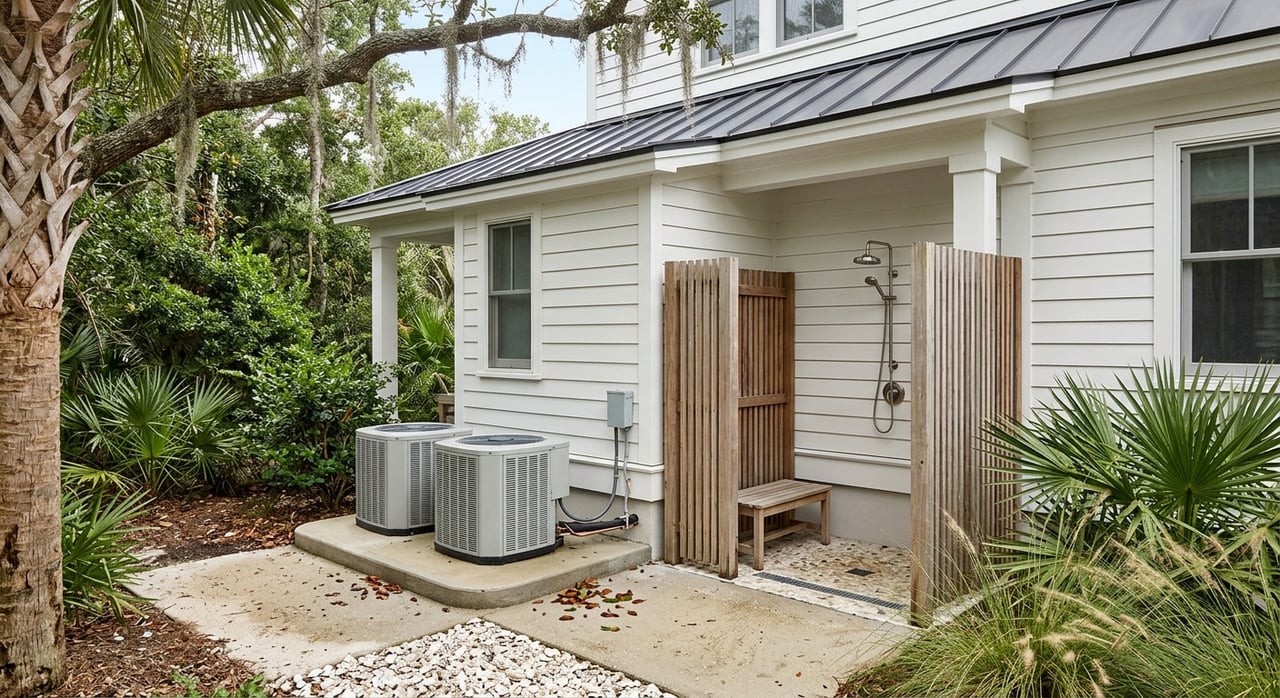
- Why it matters: Controlled indoor humidity protects finishes, keeps the home smelling fresh, and reduces mold risk, especially if the home sits vacant between visits.
- What to look for: Whole-house dehumidifiers tied into HVAC, systems with dehumidification modes, and balanced ventilation. Make sure condensate drainage is reliable and code compliant.
- Seller tips: Maintain comfortable temperature and humidity during showings. Provide service records for HVAC, filter changes, and dehumidifier maintenance.
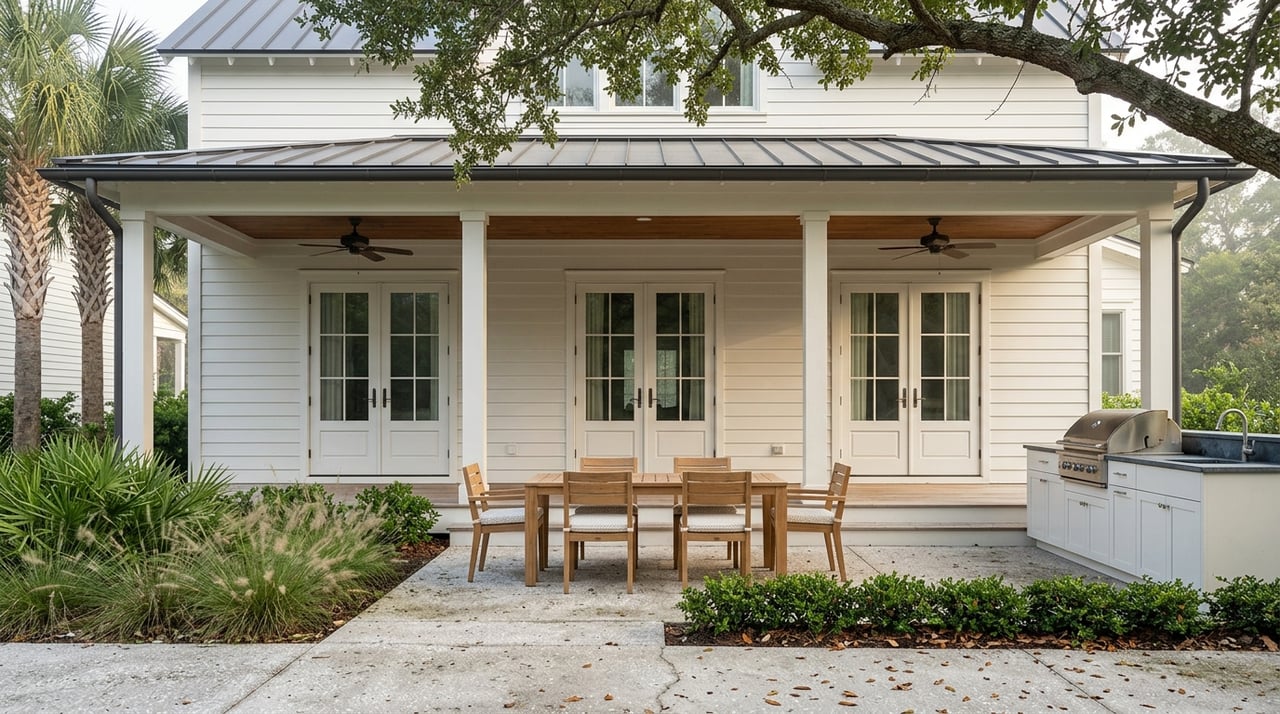
Outdoor kitchens and curated entertaining zones
- Why it matters: Outdoor cooking and covered dining are part of island living. These spaces expand usable square footage and become a daily luxury.
- What to look for: Marine-rated stainless appliances, sealed stone or composite counters, and corrosion-resistant cabinets. Plan gas and electrical per code, with thoughtful lighting and ventilation.
- Seller tips: Present a spotless, ready-to-use space. Set place settings, polish appliances, and add low-maintenance greenery to suggest effortless entertaining.
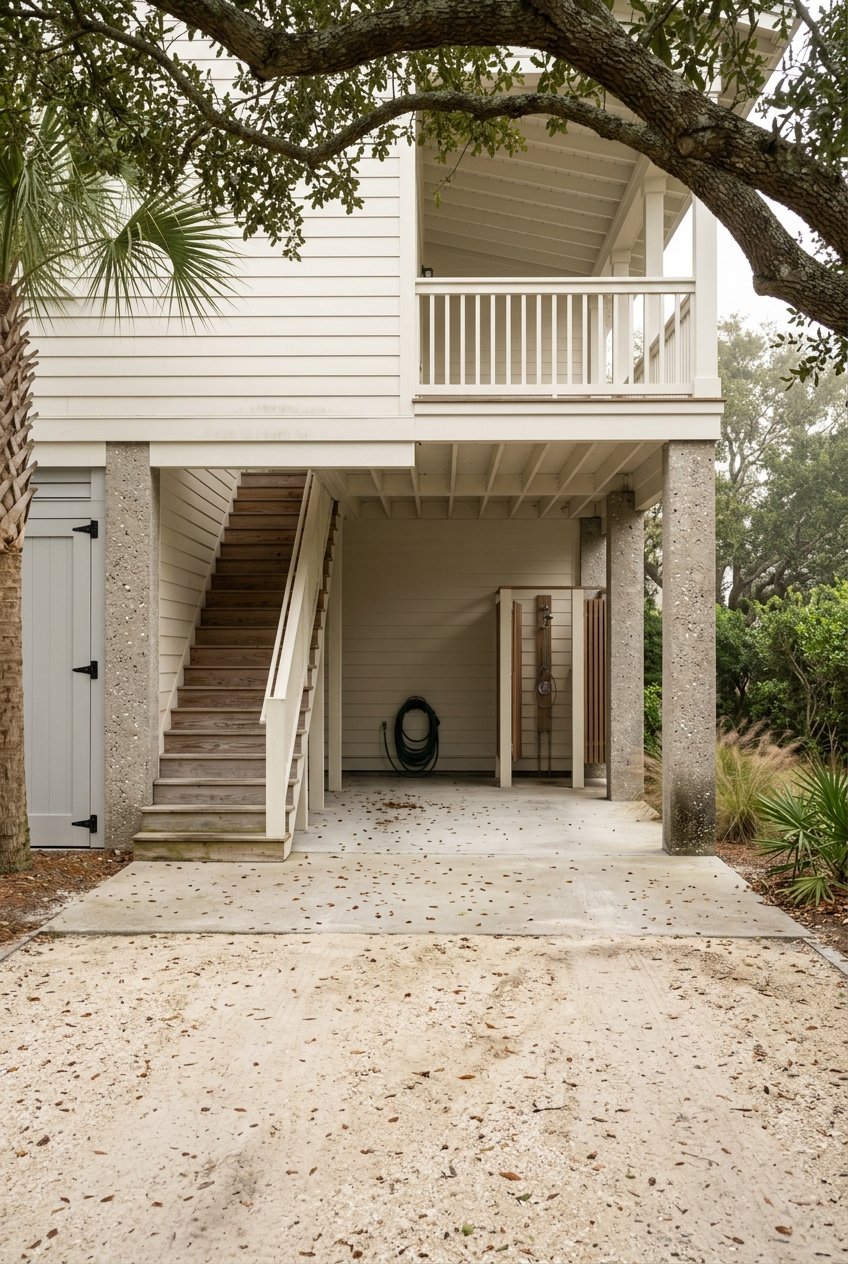
Golf-cart parking, storage, and charging
- Why it matters: In a resort setting, quick trips by cart feel easy and fun. Buyers love the convenience and will look for a designated bay and charging.
- What to look for: Covered or enclosed cart bay with proper ingress, a dedicated 120V or 240V outlet for charging, and flexible storage for bikes and beach gear.
- Seller tips: Stage an organized storage area if you do not have a cart. Clearly mark the charging outlet and keep the zone clutter-free.
Easy-care finishes and coastal-smart materials
- Why it matters: Seasonal owners prioritize beauty with less upkeep. Durable finishes reduce wear from salt, sun, and moisture.
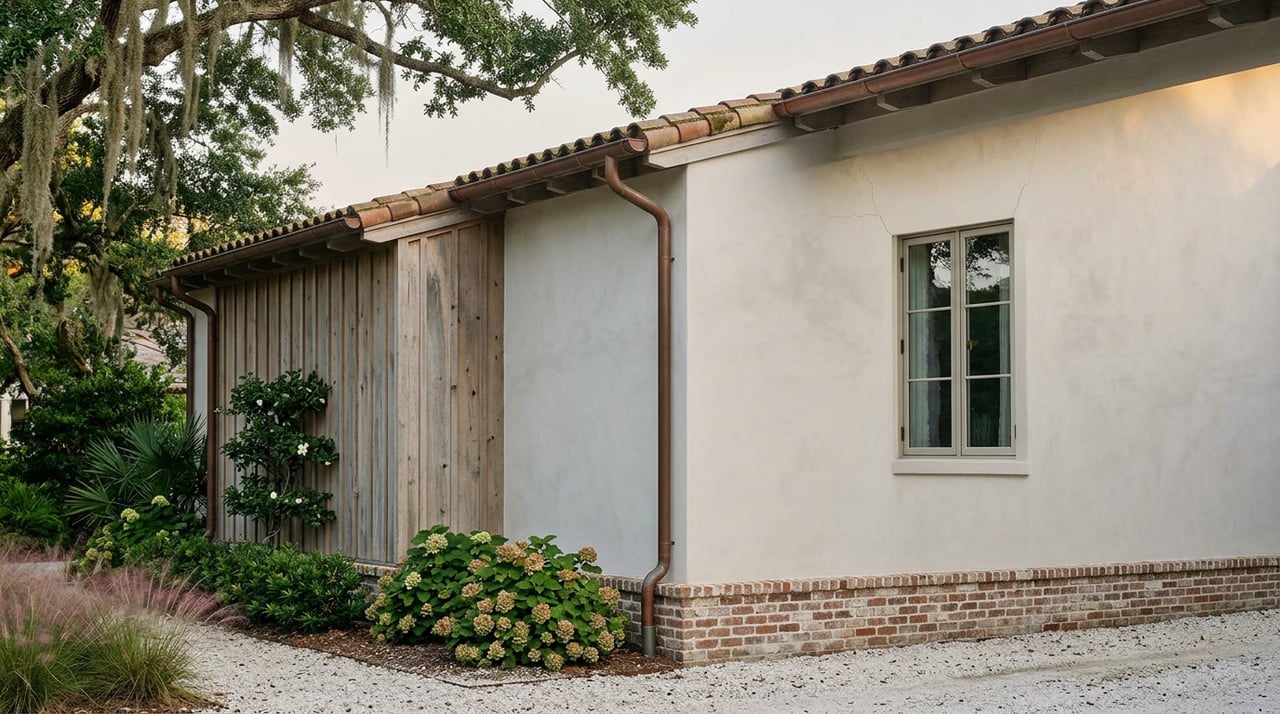
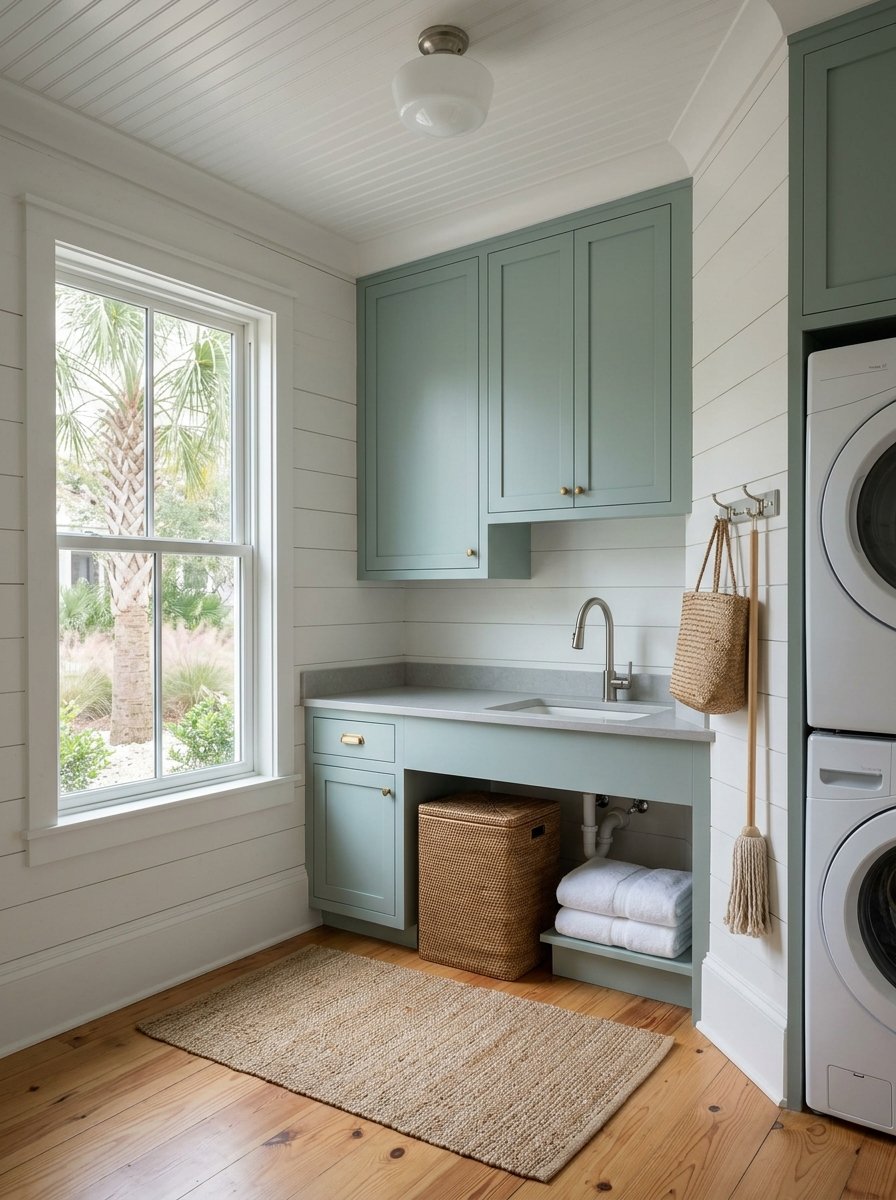
- What to look for: Fiber-cement or engineered siding with marine-grade coatings, capped composite decking, stainless or powder-coated hardware, and interior floors that handle humidity like engineered hardwood, porcelain tile, or luxury vinyl plank.
- Landscape notes: Use salt-tolerant, low-maintenance plantings, permeable surfaces for stormwater, and irrigation that is easy to manage.
- Seller tips: Highlight recent exterior upgrades and any automated systems. Keep beds trimmed and hardscapes rinsed so the low-maintenance message is clear.
How to prioritize updates
Start with the improvements that eliminate buyer concerns, then layer on lifestyle upgrades that create emotional appeal.
- Structural and resiliency first
- Address roof condition, flashing, and storm-readiness. If a roof replacement is due, a quality metal roof can be a standout.
- Gather documents: permits, warranties, and inspection reports.
- Moisture and indoor air quality
- Add or service whole-house dehumidification and right-size HVAC. This solves odors and humidity hotspots that turn buyers away.
- Outdoor living usability
- Create or refresh a screened porch and covered terrace. These areas photograph well and show beautifully in person.
- Exterior finishes that last
- Upgrade siding, trim, and decking to easy-care materials. The curb appeal plus low-upkeep story resonates with Sea Island buyers.
- Outdoor kitchen and hardscape
- Invest when you can do it right with permitted gas and electrical. Quality and safety matter more than sheer size.
- Golf-cart storage and charging
- Add a simple covered bay and a dedicated outlet. The convenience factor is high and the cost is often modest.
- Interior touchups and staging
- Fresh neutral paint, humidity-friendly textiles, and clutter-free rooms help buyers imagine themselves in the home.
Staging checklist for a coastal micro-market
- Control humidity and scent: run AC and dehumidifiers before every showing.
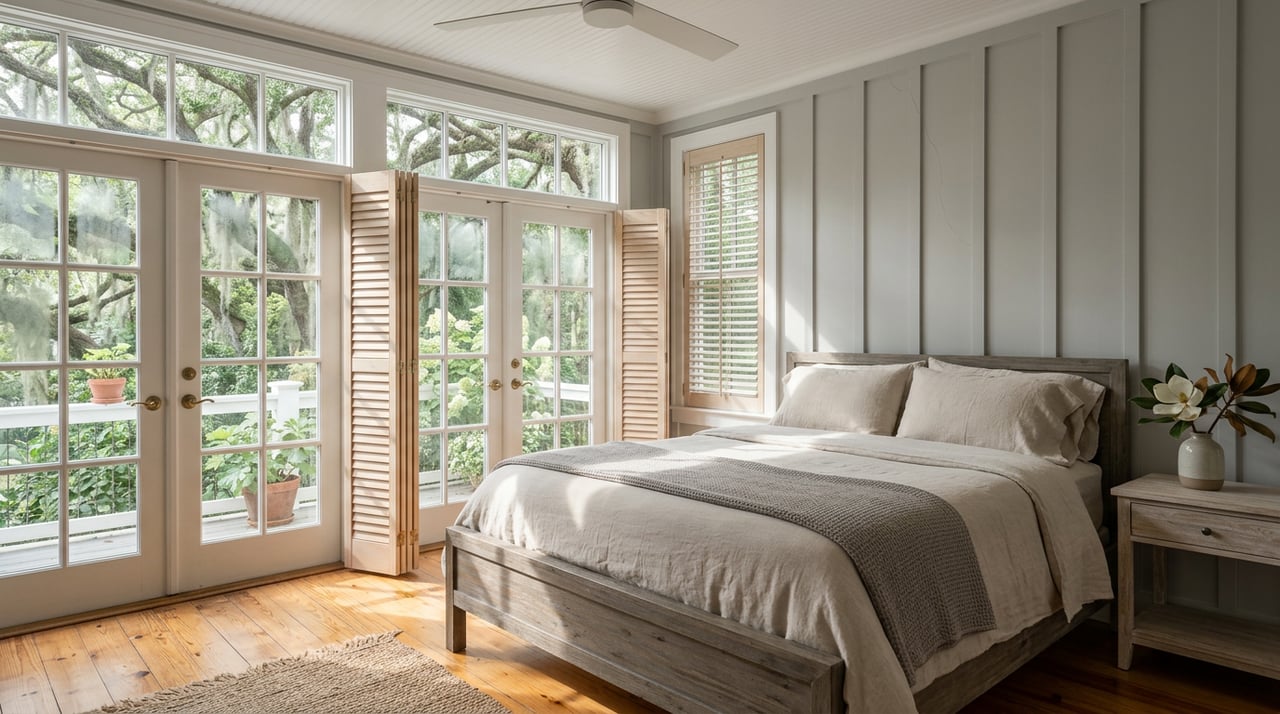
- Showcase indoor-outdoor flow: open the path from living areas to the porch and terrace.
- Use coastal-appropriate furnishings: durable fabrics in a neutral palette.
- Prepare a property binder: roof age and warranties, HVAC service records, permits, flood elevation certificate if applicable, and landscape plans.
- Emphasize turnkey options: if you use local cleaners, landscape crews, or security vendors, include those contacts for a smooth handoff.
Community rules and permitting
Before you add a porch, outdoor kitchen, or cart bay, confirm Sea Island community guidelines and Glynn County permit requirements. Fixed gas appliances, new electrical circuits, and exterior structures typically require approvals and inspections. Buyers will ask about permits and compliance, so keep documentation on file and ready to share.
Quick buyer cheat sheet
- Lifestyle musts: shaded outdoor living, easy beach-and-golf routines, and low-maintenance finishes.
- Durability musts: a coastal-appropriate roof, corrosion-resistant materials, and humidity control.
- Convenience musts: smart storage, organized garages, and dedicated golf-cart charging.
Ready to align your home with what Sea Island buyers love? A few focused upgrades can attract stronger offers, shorten time on market, and make ownership easier for you until closing.
If you want a local plan tailored to your property, connect with Linda Williams for concierge guidance on buying, selling, or property management in the Golden Isles. Schedule your free consultation with Linda Williams.
FAQs
What coastal home features matter most on Sea Island?
- Buyers prioritize screened outdoor living, metal roofs, whole-home dehumidification, easy-care finishes, outdoor kitchens, and golf-cart storage with charging.
Why do Sea Island buyers want whole-house dehumidification?
- It controls moisture during humid months and between visits, protecting finishes, reducing odors, and improving comfort for seasonal and year-round use.
How does a metal roof help in a coastal climate?
- Quality metal systems with marine-grade coatings and proper fasteners resist wind and salt exposure and signal low-maintenance longevity to buyers.
Do I need permits for an outdoor kitchen or porch in Glynn County?
- Yes, fixed gas, electrical, and structural additions usually require permits and inspections, so confirm requirements before starting work.
What should I prepare for buyers who ask about maintenance and compliance?
- Provide warranties, service records, permits, flood elevation documents if applicable, and any community approvals for exterior changes.