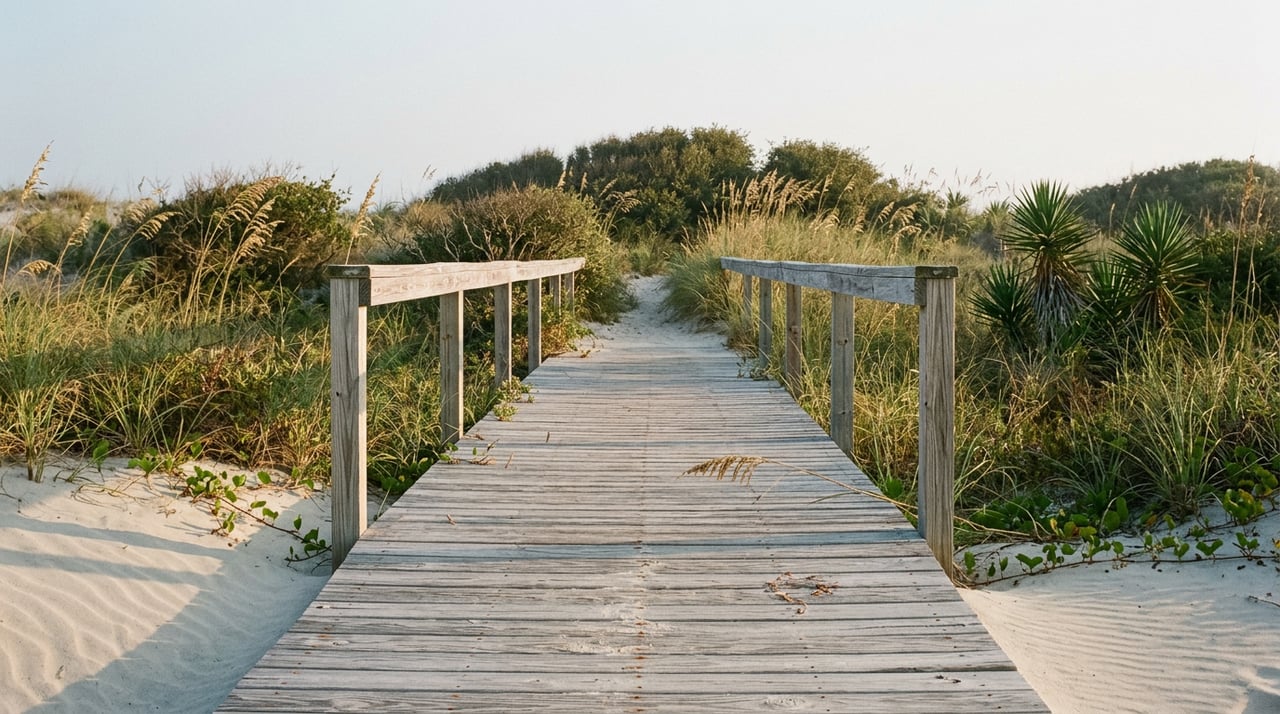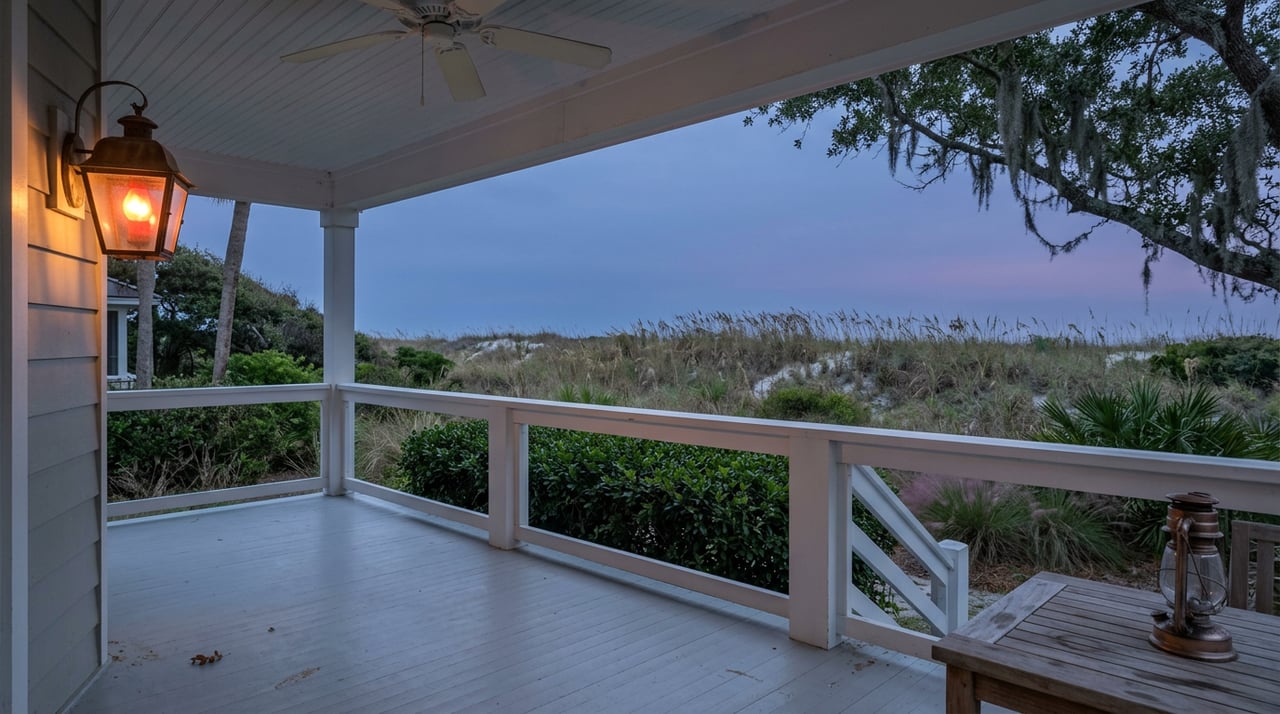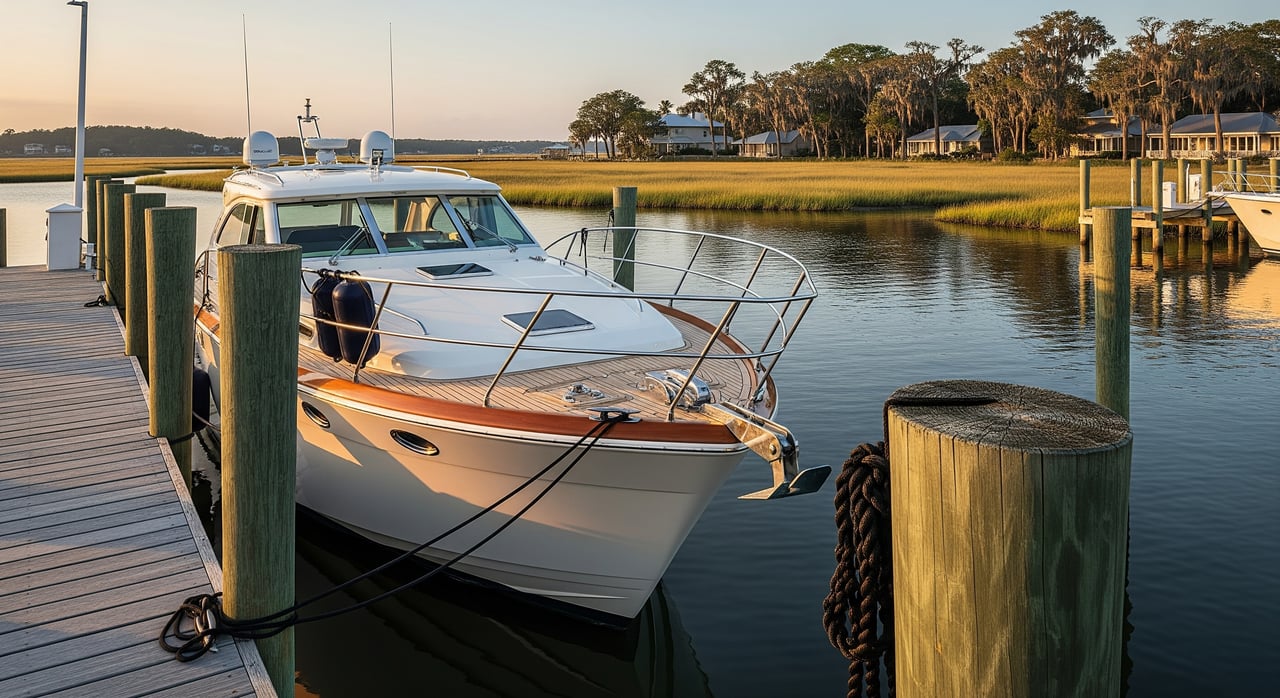
If you picture your mornings starting with a quiet run through the marsh creeks and your afternoons anchored off a sandy shoreline, Jekyll Island fits that dream. The big question is how to access the water easily and store your boat with confidence. You want clear answers on ramps, marinas, tides, and what boat sizes work best here.
This guide breaks down the real-world boating picture on Jekyll Island so you can plan confidently. You will learn how locals launch, where most owners keep their boats, what to watch with tides, top day-trip ideas, and smart questions to ask before you buy. Let’s dive in.
How Jekyll boaters get on the water
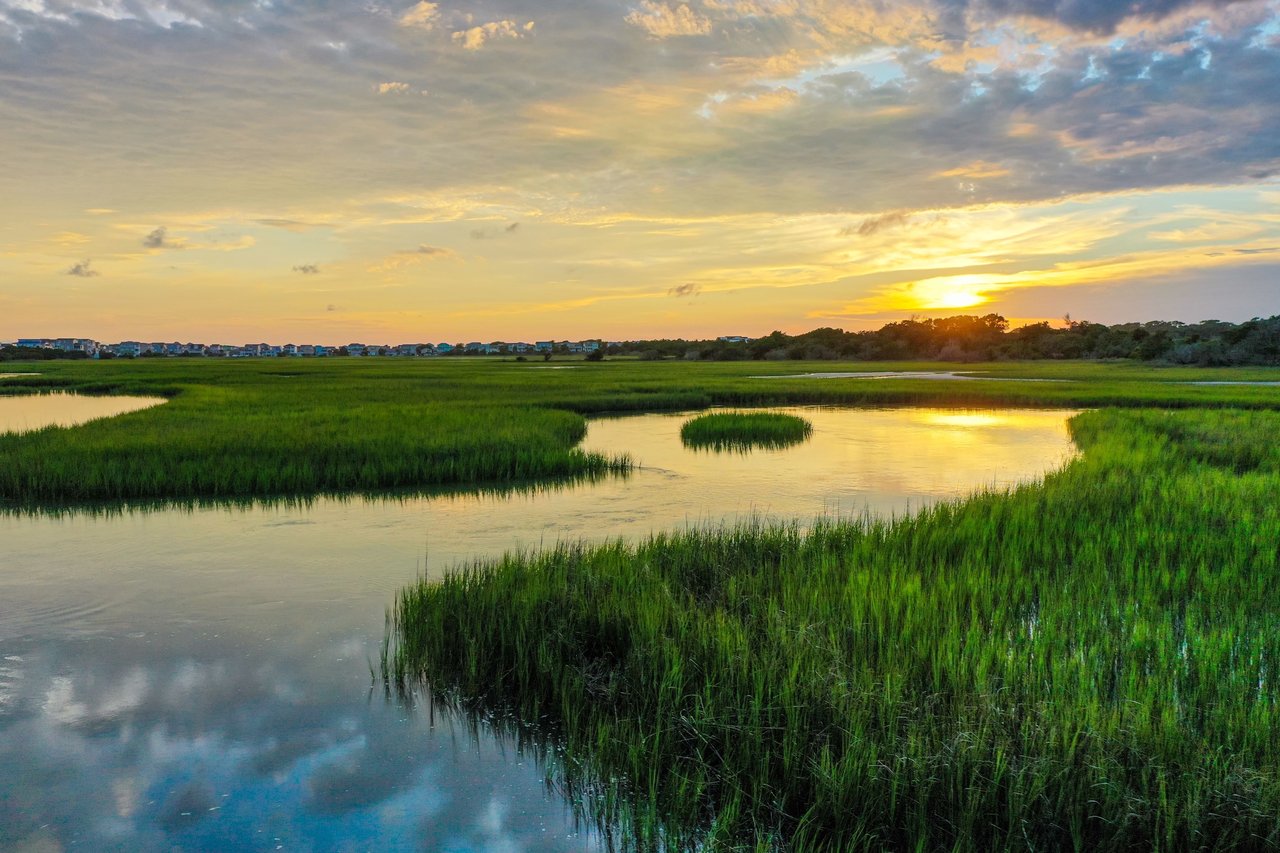
Jekyll Island sits along Georgia’s southern coast within a network of sounds, tidal creeks, and the Intracoastal Waterway. From here, you can run short day trips to neighboring barrier islands, fish inshore and nearshore, and cruise into Brunswick for services and waterfront stops. It is a practical base if you like variety without long open-water runs.
You will see a mix of approaches. Some owners trailer and launch from public ramps, others keep a slip or use dry stack storage at nearby marinas, and many second-home buyers choose off-island facilities for full services and fuel. The right setup depends on your boat size, how often you use it, and whether you prefer quick launches or a turnkey wet slip.
Public ramps overview
On-island public launch options exist but are limited. Availability and trailer parking can tighten during weekends and holidays, so plan arrival times with that in mind. Because ramp locations, hours, and fees can change, verify current details with the Jekyll Island Authority before you tow.
A few quick tips for ramp users:
- Arrive with lines, fenders, and plugs ready to speed up your launch.
- Stage away from the ramp, then pull forward only when the lane is clear.
- Confirm trailer parking zones, overnight rules, and any posted fines.
- Check tide predictions, especially for shallow creeks and low-water returns.
Marinas and storage choices
Compared with St. Simons Island and Brunswick, on-island commercial marina capacity is limited. Many Jekyll owners rely on off-island marinas for fuel, mechanics, and long-term dockage. That is normal for the area and gives you more flexibility in services.
Common options include:
- On-island slips if available. Expect seasonal demand and potential waitlists for wet or transient dockage.
- St. Simons Island marinas for fuel, routine service, and a larger slip mix.
- Brunswick and Glynco yards for haulouts, repairs, and long-term storage.
- Dry stack storage facilities, often off-island, for faster launches and weather protection.
Dry stack can be a great fit if your boat meets size limits and you want quick call-ahead launches. It usually costs less than a wet slip and reduces sun and salt exposure. The tradeoffs are crane limits on length and weight, peak-time queues, and potential waitlists.
When you compare marinas and storage, use this checklist:
- Slip rates and dry stack pricing, plus any memberships or waitlists.
- Liveaboard or overnight policies and transient dock rules.
- Shore power options and water availability at the dock.
- Security features like gates and cameras, plus insurance requirements.
- Launch and haulout capacity, including travelift specs and ramp depth at low tide.
- Pump-out availability and waste policies.
- Fuel types and operating hours.
- Hurricane plans, haulout protocols, and fees during storm season.
Tides, depth, and navigation
The Georgia coast has meaningful tidal swings that shape daily boating. Expect higher spring tides and lower neap tides. Water levels in shallow creeks, entrances, and even some marina basins can change by feet, so plan your launch and return with tide predictions in mind.
Shoaling can shift channels near the barrier islands. Keep charts up to date, follow markers carefully, and ask local dockmasters about unfamiliar routes. Depth at low tide varies from place to place, so confirm minimum depths for slips and approach basins before you commit to a contract.
If your vessel has a tall hardtop or tower, check bridge clearances along your planned routes. Around the islands, typical hazards include oyster beds and shallow flats, markers in narrow creeks, crab pot buoys, and mixed traffic like kayaks and paddleboards. Slow near beaches and no-wake zones to keep everyone safe.
Boat sizes that fit Jekyll use
You will see everything from skiffs to small yachts in the area. Pick your boat for how you plan to use it most days.
- Trailerable center-console or bay boats, 18 to 24 feet. These are the workhorses for inshore and nearshore fishing and easy day trips. They fit most ramps and are simple to store on land.
- Flats and bay boats, 16 to 20 feet. Ideal for shallow estuaries and tidal creeks when you want to fish skinny water.
- Dual-console and small cuddy cruisers, 22 to 30 feet. Good for mixed use, family cruising, and short overnights.
- Larger cruisers and small yachts, 30 to 45-plus feet. Best with full-service marinas that have adequate depth, travelift capacity, and dock infrastructure.
Practical guidance: If you want flexible ramp access and fewer shallow-water surprises, 18 to 26 feet is a sweet spot for many owners. If you want overnight comfort and a permanent slip, focus on marinas with proven depth, service teams, and a hurricane haulout plan.
Here is a quick decision guide:
- You want easy weekend day trips and simple trailering. Choose an 18 to 24 foot center-console or bay boat with on-land storage.
- You love shallow creeks and sight fishing. Choose a 16 to 20 foot flats or bay boat with skinny draft.
- You want family cruising with shade and seating. Choose a 22 to 30 foot dual-console and look for fuel and pump-out nearby.
- You plan multi-day cruising and onboard comfort. Choose 28 to 40-plus feet with a confirmed wet slip, depth at low tide, and service support.
Favorite day trips and fishing
Local recreation covers inshore and nearshore fishing for species like red drum, spotted seatrout, flounder, and sheepshead, along with family cruising, shelling, birding, and island hopping. Many runs are short, often under one to two hours depending on boat speed and route.
Nearby destinations include:
- St. Simons Island and Sea Island for marina services, restaurants, and island amenities.
- Little St. Simons Island for guided access booked in advance through the island’s operator.
- Cumberland Island National Seashore with managed access and undeveloped shorelines. Always check rules before planning landings.
- Brunswick and other Glynn County waterfront stops for fuel, repairs, and provisioning.
As always, confirm local access rules, seasonal closures, and any restricted areas before you go ashore.
Rules, safety, and etiquette
Georgia requires vessel registration for boats used on public waters. The U.S. Coast Guard sets safety gear standards by boat size, including life jackets, fire extinguishers, visual signals, sound devices, and navigation lights. Fishing seasons, size limits, and bag limits are regulated by the state, so check current saltwater regulations before you head out.
Most marinas operate as no-discharge zones, and pump-out use may be required by facility policy. On the water, follow no-wake zones near docks and beaches, give sailboats and vessels constrained by draft room to maneuver, and avoid cutting bends in marked channels. Watch for crab pot buoys, place any gear you set legally, and protect marsh and seagrass by staying in channels instead of running across shallow flats.
For emergencies, monitor VHF Channel 16 to reach the U.S. Coast Guard. For non-emergencies, your local marina or harbormaster can help with route advice or minor issues.
Hurricane season planning
Hurricane season runs from June 1 through November 30. A simple plan will save time and reduce risk. Start by asking marinas about their storm protocols, haulout priority, and any required insurance or contracts during named storms.
Build your checklist now:
- Decide where the boat will go if a storm threatens, either hauled, secured in dry stack, or moved inland by trailer.
- Know evacuation routes for trailers and where you can stage the boat if roads close.
- Review your policy for named storm coverage, haulout reimbursement, and agreed value versus actual cash value.
- Confirm how you will reach marina staff and who has keys to access your lines and batteries if you are away.
Having a clear plan means faster action when forecasts change.
Buyer checklist for coastal access
If you are comparing homes on or near Jekyll Island, look at boating access the same way you would evaluate a kitchen or roof. Access and storage are part of your lifestyle and cost picture.
Use this pre-purchase checklist:
- Confirm the nearest public ramps, their condition, and parking rules.
- Identify your primary and backup marinas. Ask about slip depth at low tide, fuel, pump-out, and repair services.
- Get current pricing for wet slips and dry stack, plus waitlist details and contract terms.
- Ask about travelift capacity, haulout scheduling, and hurricane plans.
- Map out provisioning and service stops, including marine supplies and mechanics.
- Match boat type and size to your main use, storage plan, and budget.
- Check for any protected areas or seasonal closures that affect your favorite activities.
- Verify cellphone coverage and marina Wi-Fi if remote work or updates matter to you.
If you are an absentee owner or plan to use the home seasonally, consider how property management support will streamline your stays, from vendor coordination to routine check-ins.
Bringing it all together
Jekyll Island offers a laid-back boating lifestyle with access to creeks, sounds, and nearby islands. The key is choosing the launch and storage setup that fits how you use your boat most. Many owners pair on-island living with off-island marina services for the best of both worlds, while trailerable boats keep ramp access easy and costs predictable.
If you want neighborhood-level guidance and a plan that fits your boating goals, reach out to a local advisor who knows the marinas, ramps, and seasonal rhythms. For warm, concierge help on homes and lifestyle fit across the Golden Isles, connect with Linda Williams.
FAQs
Are there public boat ramps on Jekyll Island?
- On-island launch options are limited, and many owners use nearby ramps and marinas in Glynn County. Confirm current locations, hours, and fees with the Jekyll Island Authority.
Where should I keep a boat if I buy on Jekyll?
- Choose between on-island slips if available, off-island marinas on St. Simons or in Brunswick, or dry stack storage. The best option depends on size, service needs, cost, and storm plans.
What boat size works best for fishing and day trips?
- Trailerable 18 to 26 foot center-console or bay boats balance shallow access, easy launches, and range for nearby islands.
How do tides affect boating around Jekyll Island?
- Tides change depth in creeks and channels and can affect marina basins at low water. Check predictions and confirm slip depths before launching or returning.
What rules apply to fishing and crabbing near Jekyll?
- State regulations set seasons, size and bag limits, and gear rules. Review current Georgia saltwater regulations before you go and follow local no-discharge and no-wake policies.