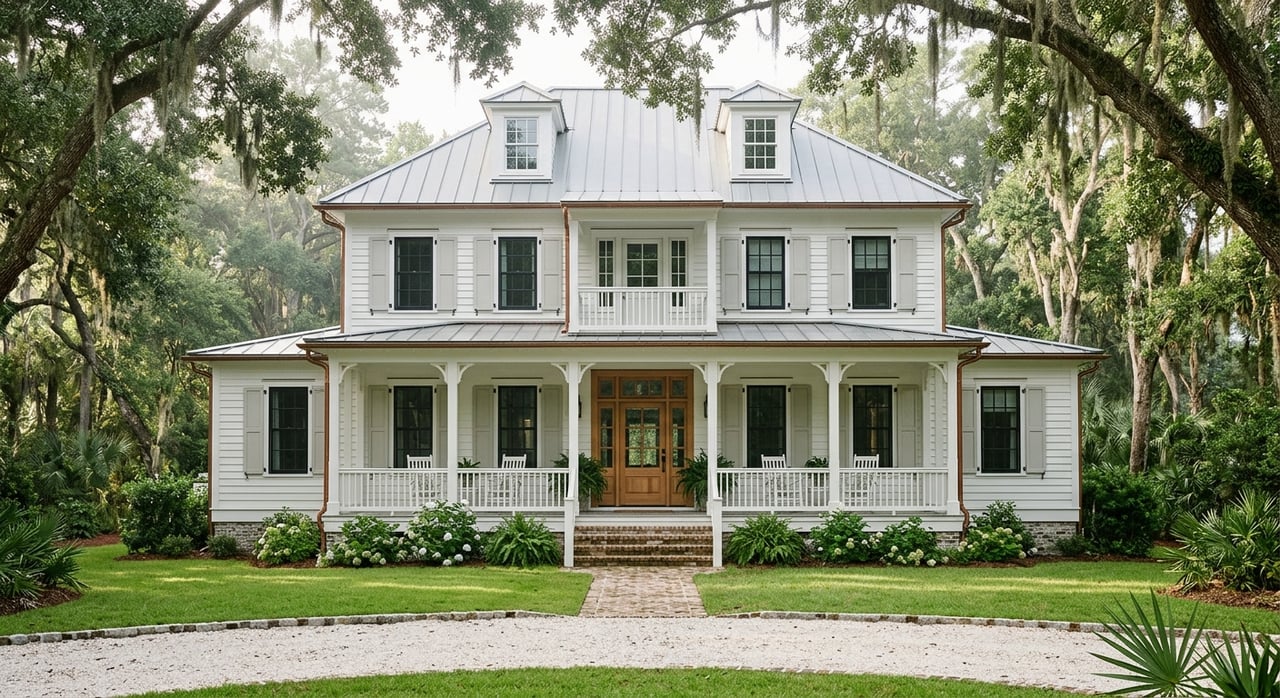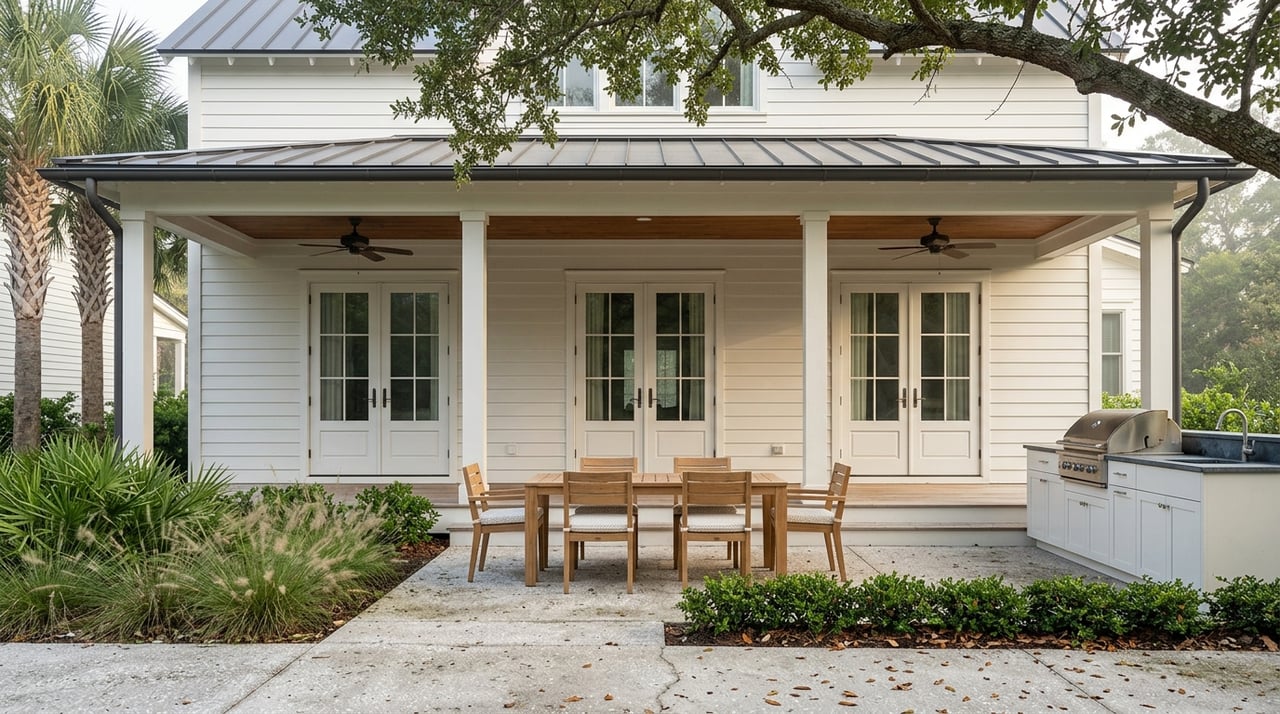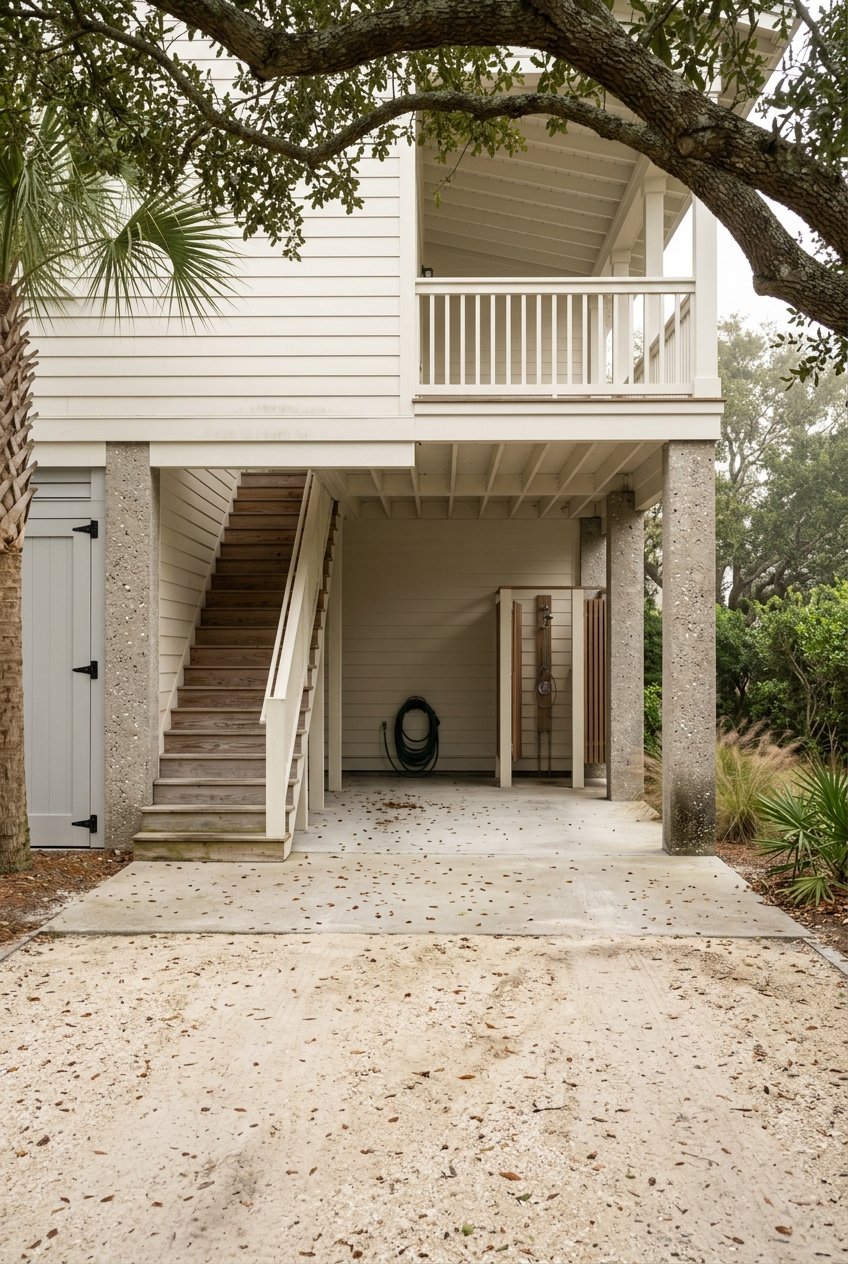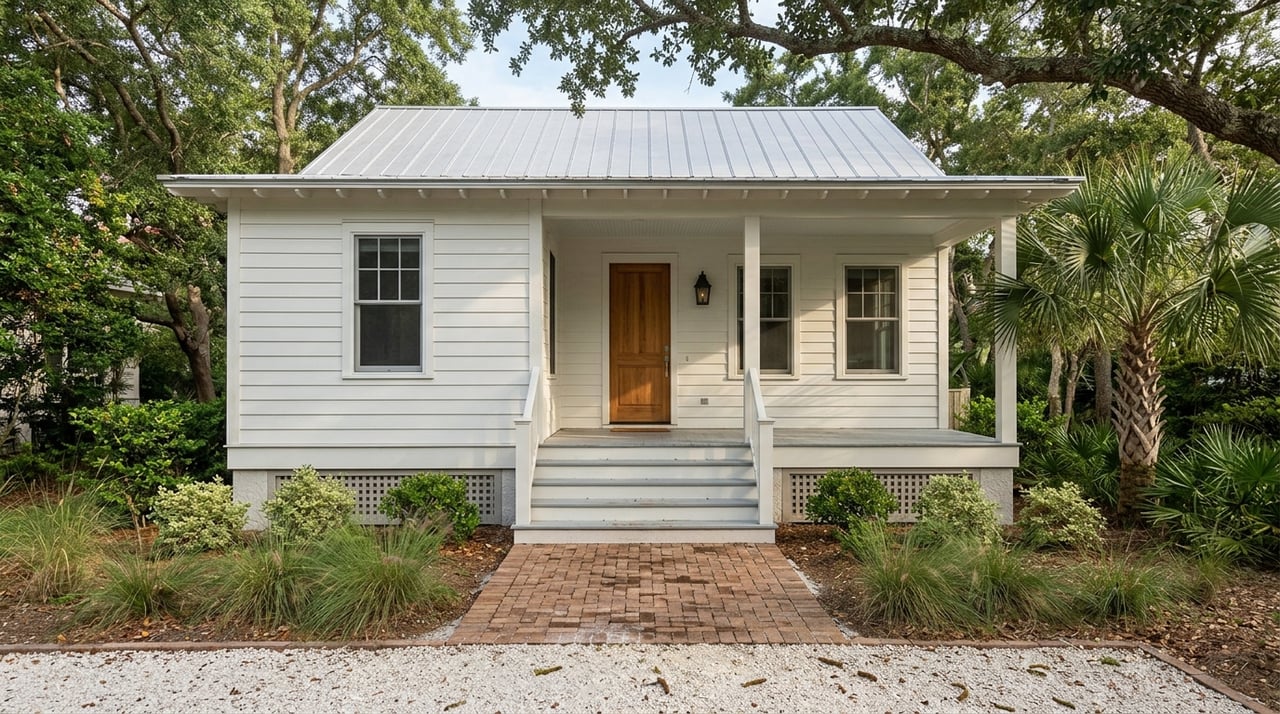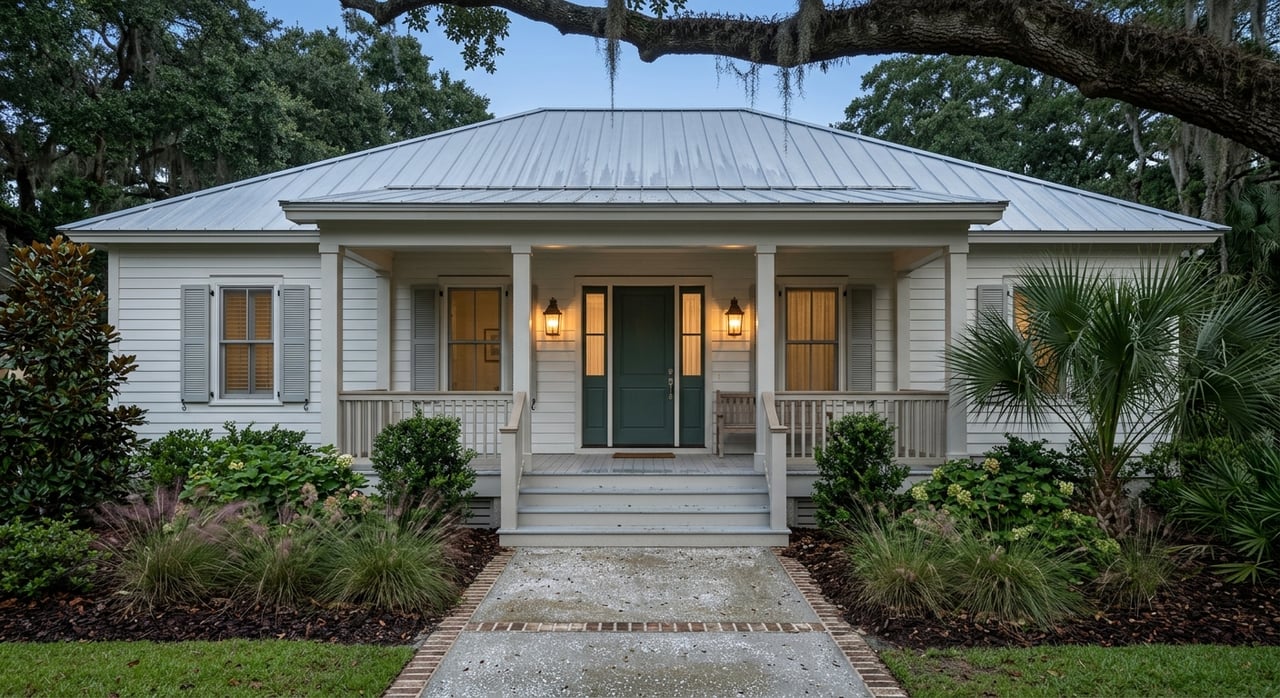
If you are thinking about selling on Sea Island, you already know this is not a typical coastal home sale. You may be balancing timing, pricing, privacy, and presentation in a market where every listing competes on lifestyle as much as square footage. The good news is that with the right preparation and a local, hands-on strategy, you can move forward with clarity and confidence. Let’s dive in.
Understand the Sea Island market
Sea Island sits in a very specific corner of the Georgia coast. It is a private island resort destination known for private beach access, golf, and a luxury coastal lifestyle, so buyers are often looking at the full experience of ownership, not just the house itself.
That matters because Sea Island is also a very small market. As of March 31, 2026, Zillow reported an average home value of $4,205,986, 21 active listings, and a median list price of $4,585,000. Redfin’s 12-month snapshot showed homes averaging about 84 days to pending and selling about 8% below list, while its March 2026 monthly data showed just one sale, a median sale price of $8.0 million, and a median 328 days on market.
The big takeaway is simple. Sea Island behaves like a micro-market. With so few sales, broad averages can be misleading, and small pricing mistakes can have an outsized effect on how long your home sits.
Price your Sea Island home carefully
In a thin, high-value market, pricing is not about testing the top of the range and hoping the right buyer appears. It is about launching with a price that makes sense for your specific property and the small pool of current competition.
A strong pricing strategy should look beyond island-wide averages. Your home’s value may be shaped by details such as beach access, marsh or golf views, lot privacy, renovation level, floor plan, flood exposure, and likely insurance costs.
That is one reason seller guidance matters so much here. NAR’s 2025 buyer and seller report found that sellers most value help with marketing, pricing competitively, and selling within a specific timeframe. In Sea Island, those three goals are closely connected.
Why overpricing can cost you time
Because the buyer pool is selective and inventory is limited, a home that launches too high can lose momentum early. Buyers in this segment tend to compare value closely, especially when they are deciding among lifestyle properties with similar views, outdoor living spaces, or guest accommodations.
When a listing lingers, you may end up making price adjustments later under more pressure. Starting with a defensible number often creates a stronger first impression and helps your property stand out for the right reasons.
Prepare your home before it goes live
Presentation matters in every market, but it matters even more in Sea Island. Many buyers begin online, and some may be visiting from out of town or narrowing options before they schedule a showing.
NAR’s 2025 staging research found that 83% of buyers’ agents said staging made it easier for buyers to visualize a property. The same research found that 49% of sellers’ agents said staged homes sold faster, and 29% said staging led to a 1% to 10% increase in dollar value offered.
For sellers, the most common advice was straightforward:
- Declutter
- Deep clean
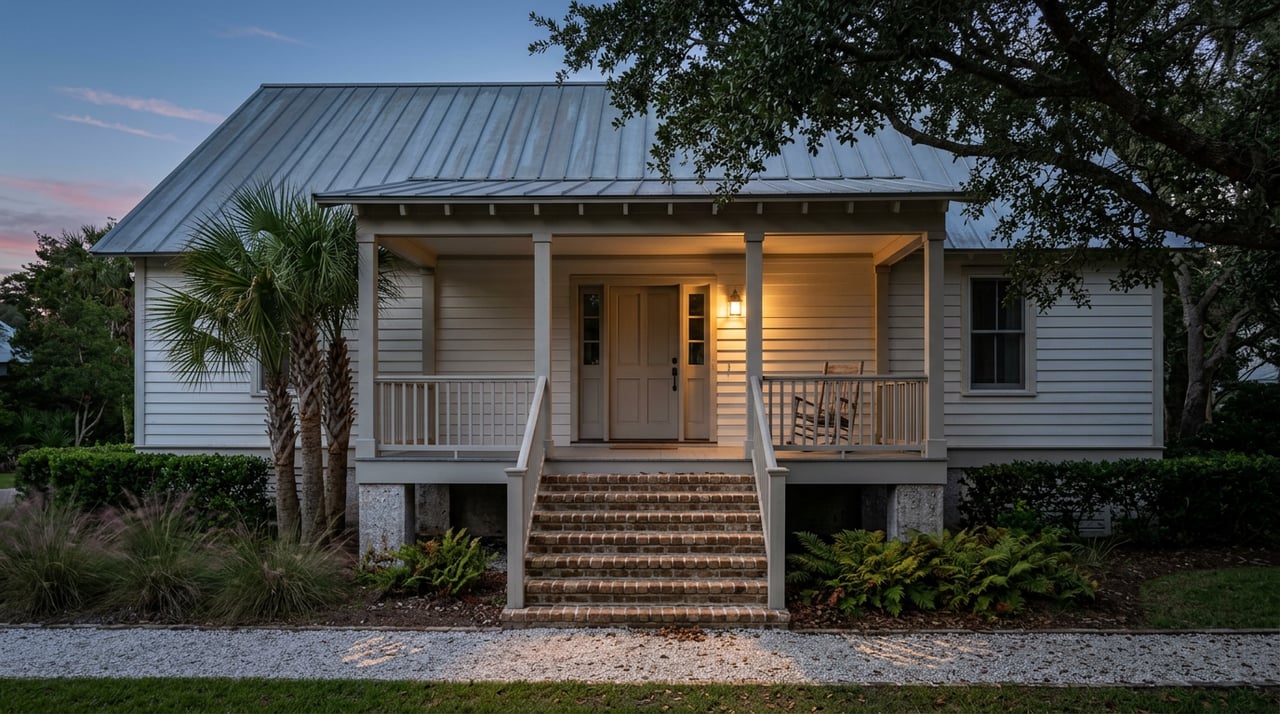
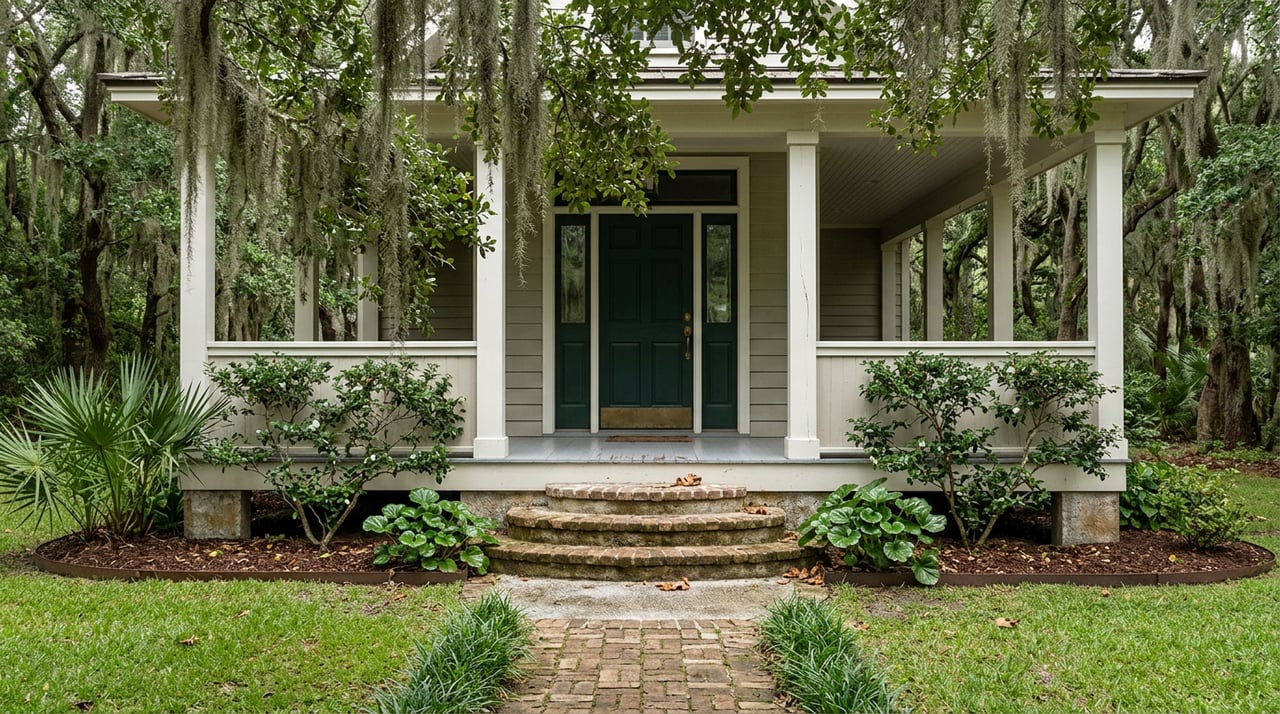
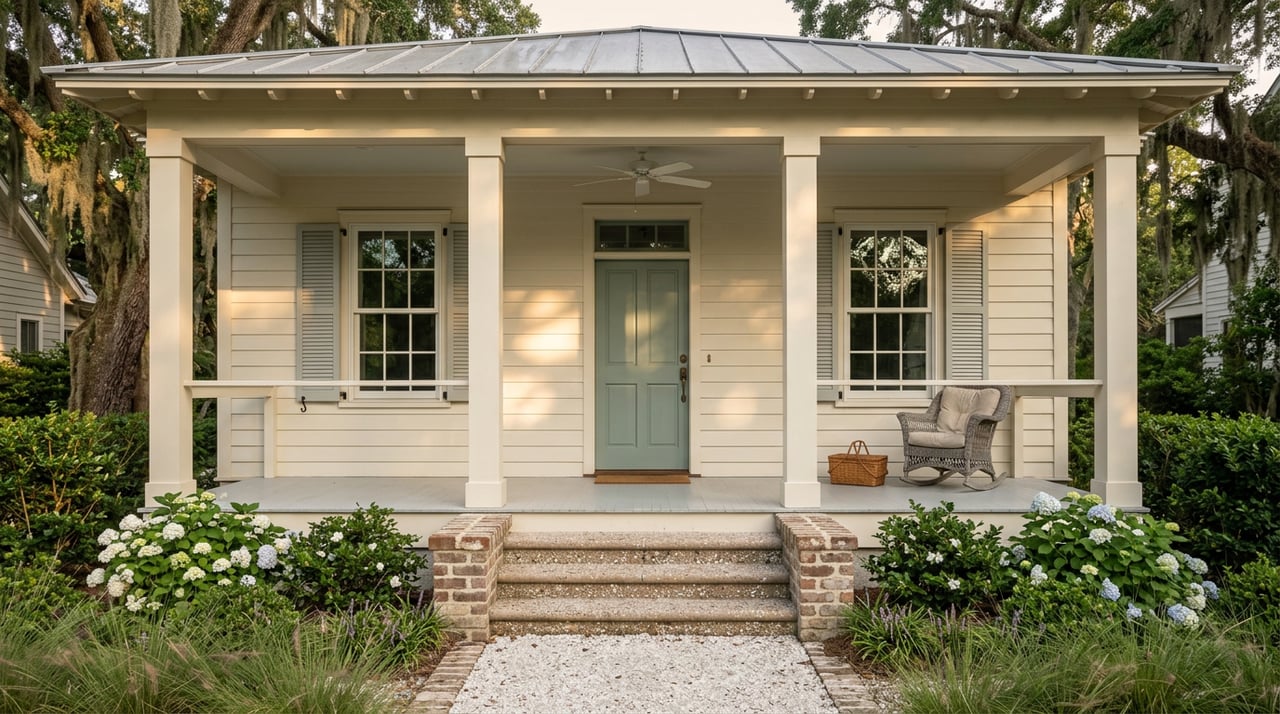
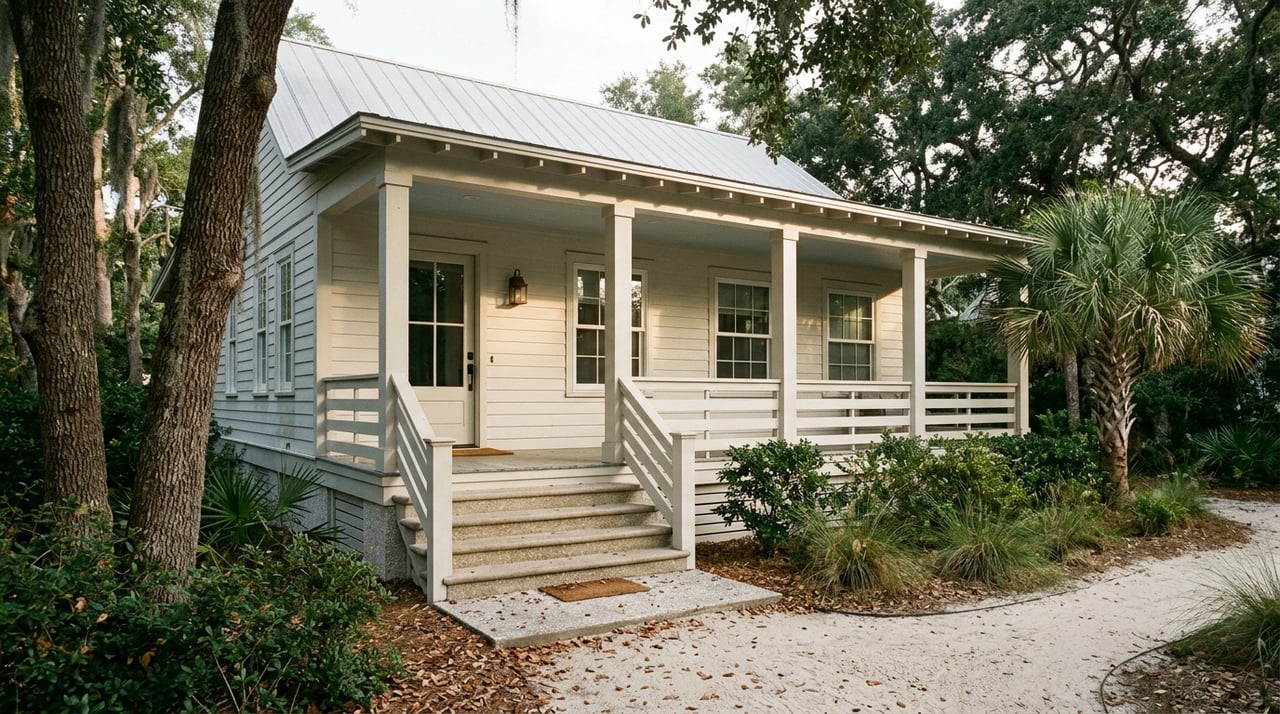
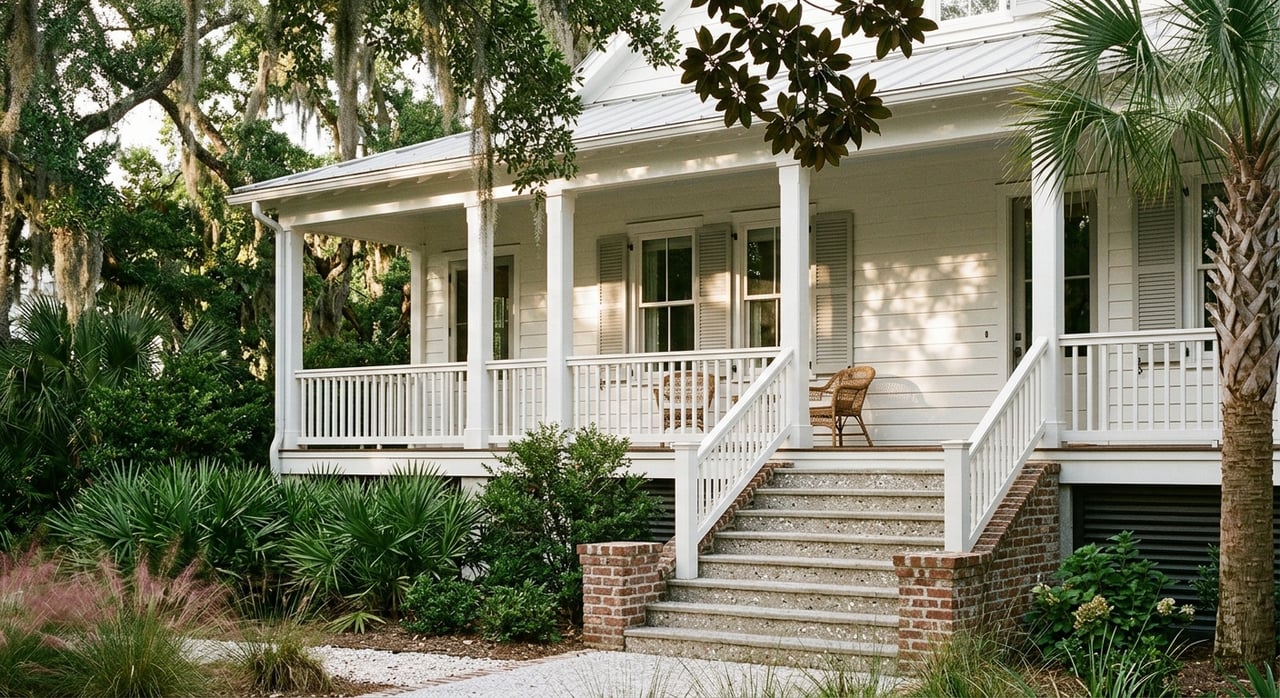
- Improve curb appeal
Those basics go a long way, especially in a luxury coastal home where buyers are noticing the feeling of the space as much as the finishes.
Focus on what buyers notice first
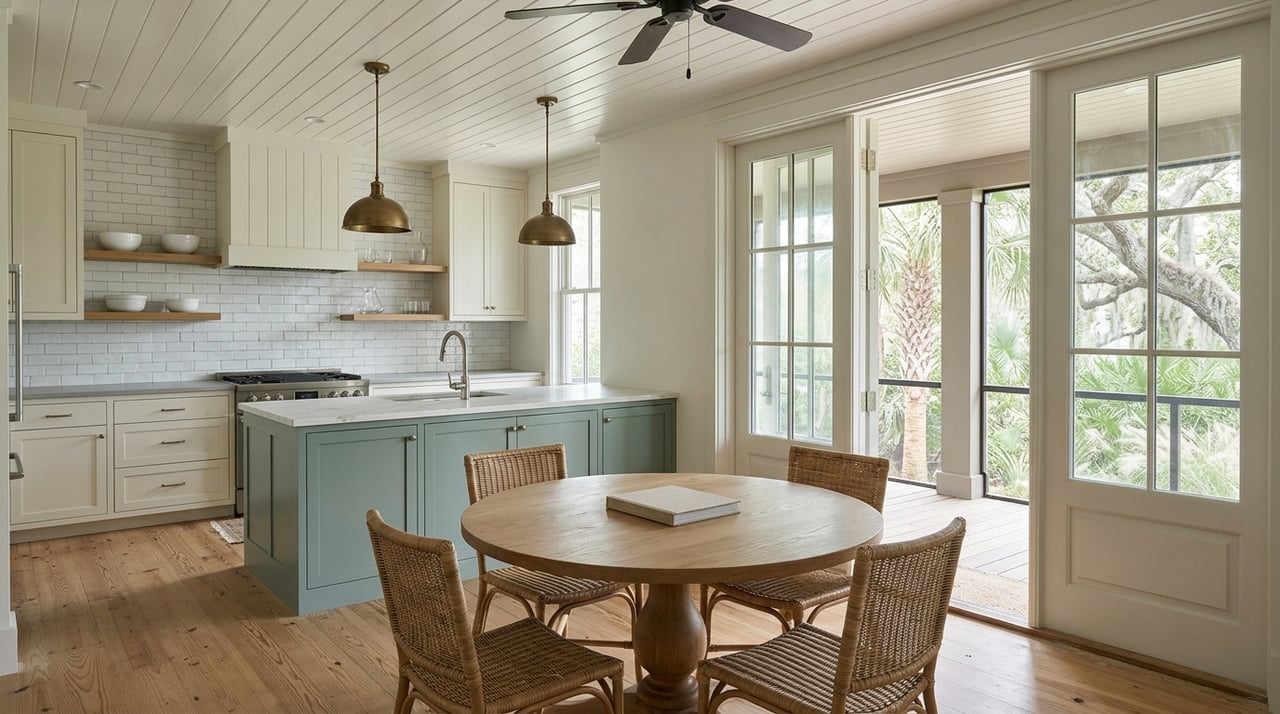
Sea Island buyers are often drawn to light, flow, and livability. A home that feels calm, polished, and easy to enjoy can be more compelling than one that feels overly personalized or visually busy.
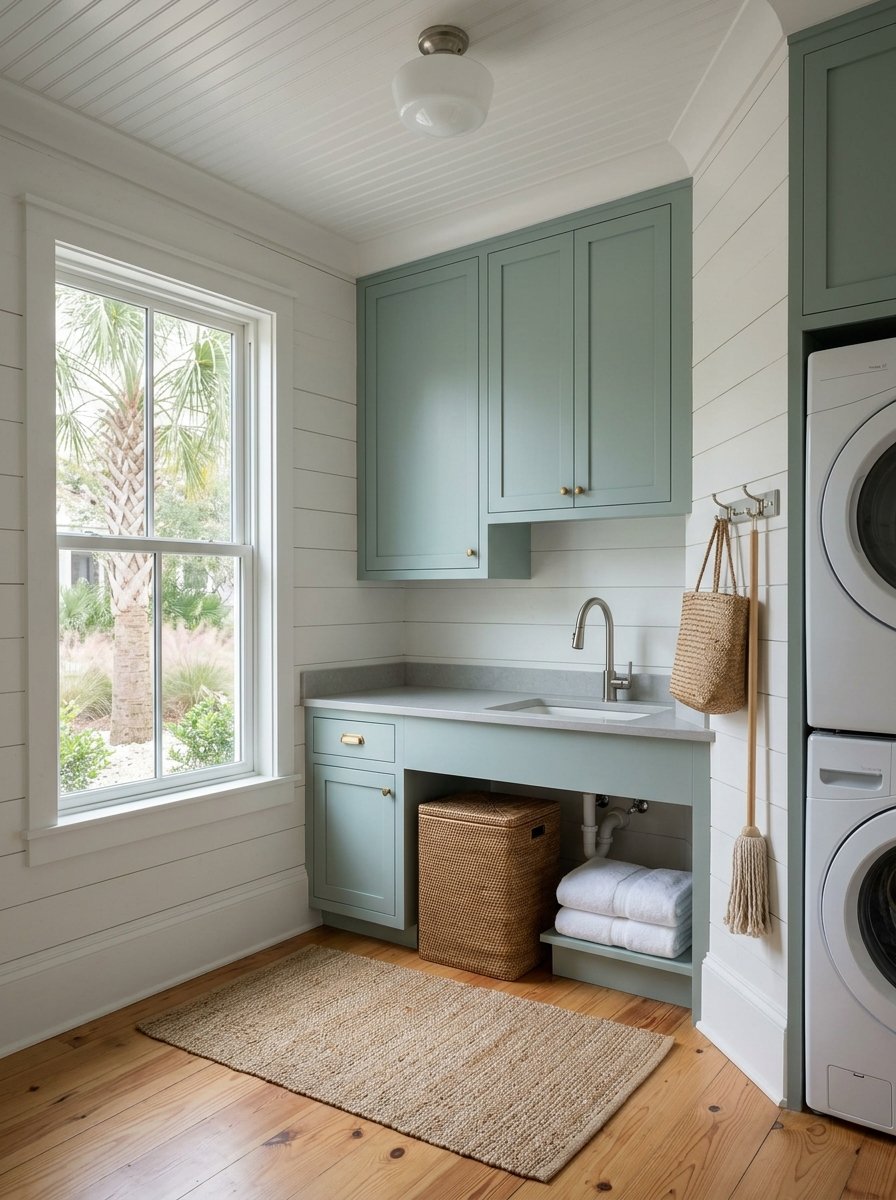
A restrained, neutral presentation usually works best. It helps buyers focus on the architecture, the setting, the natural light, and the features that support coastal living.
Highlight the lifestyle features
NAR’s 2025 Generational Trends report found that among internet-using buyers, 83% rated photos as very useful, 79% valued detailed listing information, 57% valued floor plans, and 41% valued virtual tours. That tells you something important: your marketing package has to help buyers picture themselves in the home before they ever step inside.
For a Sea Island property, the strongest visual story often centers on features like:
- Outdoor living areas
- Views and privacy
- Guest rooms or flexible guest spaces
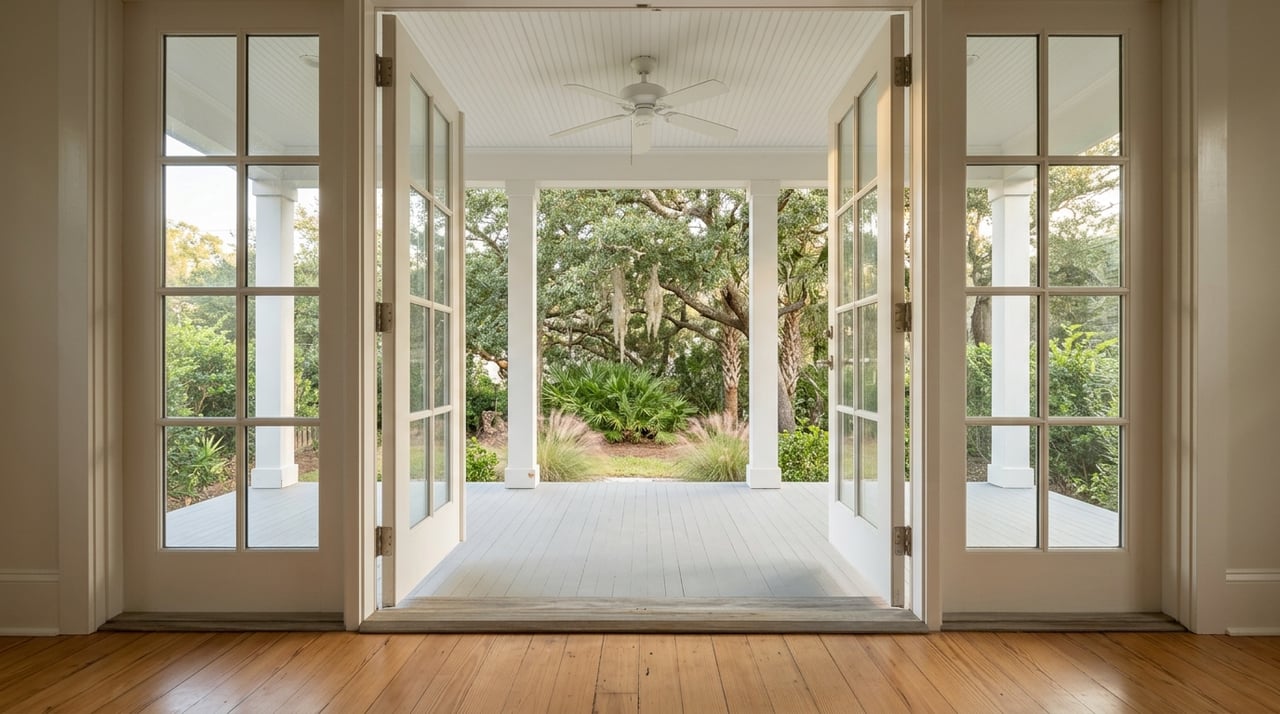
- Indoor-outdoor flow
- Energy-efficient upgrades
- Smart-home features
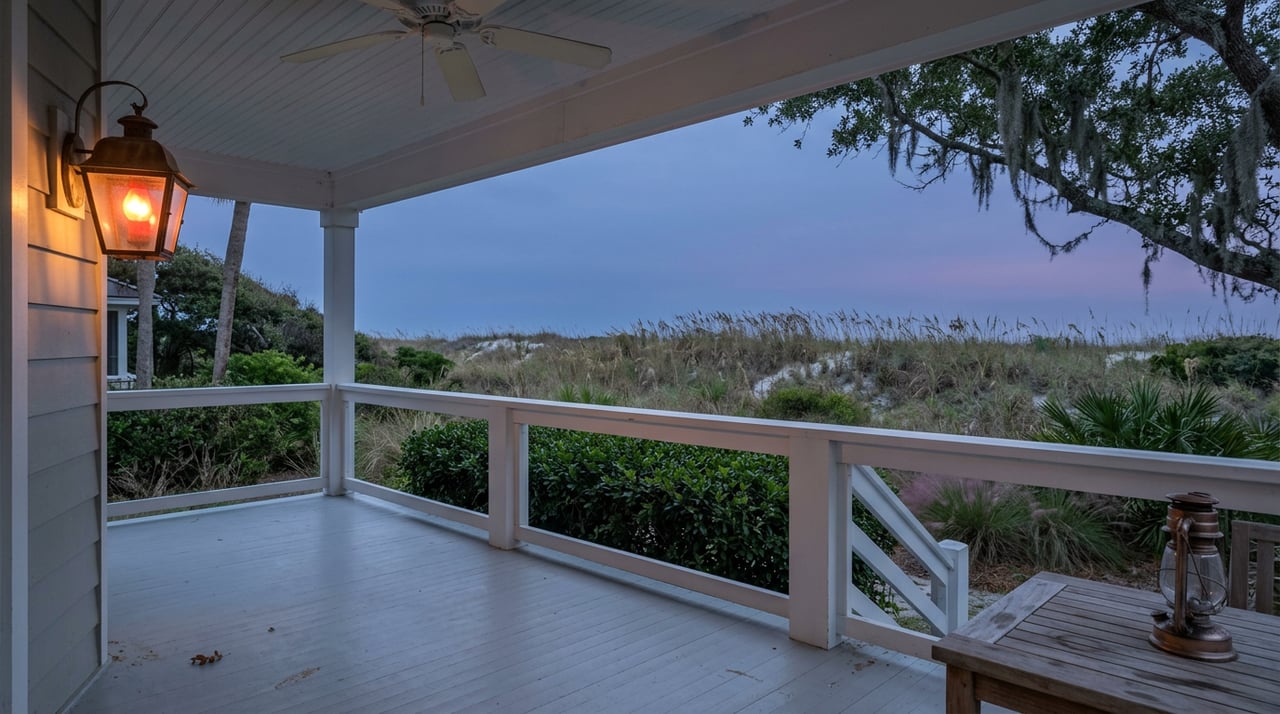
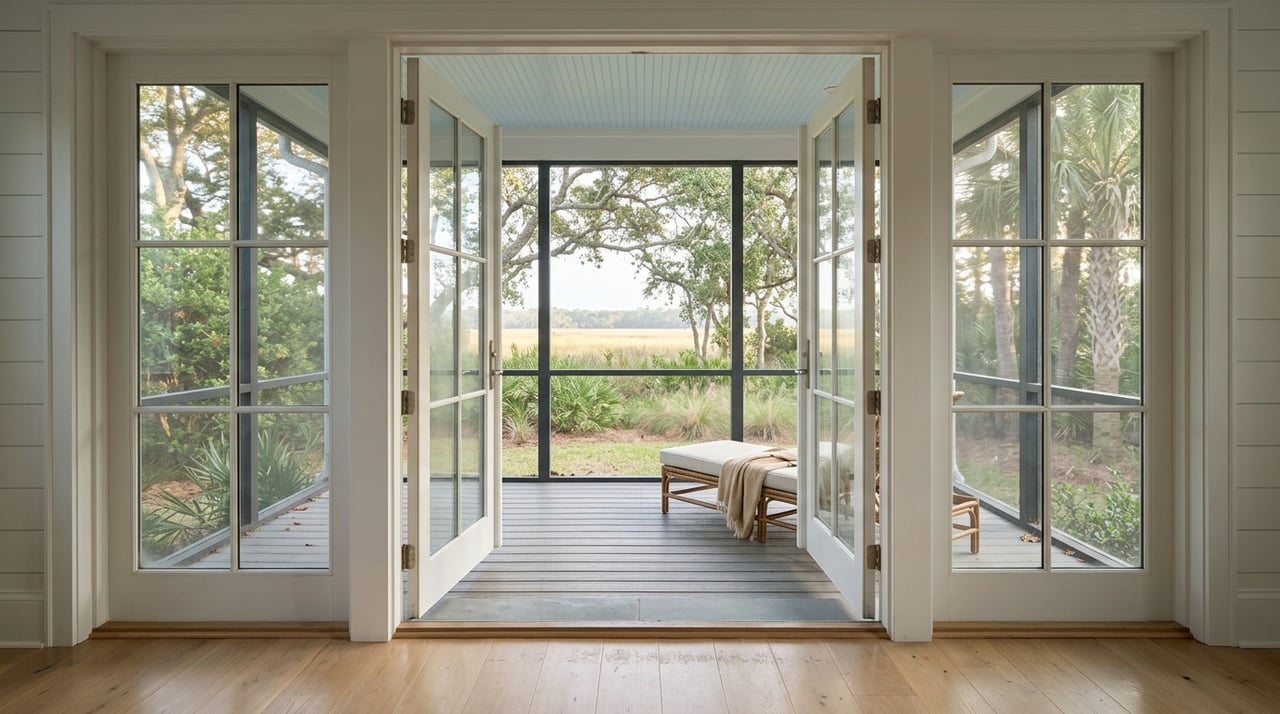
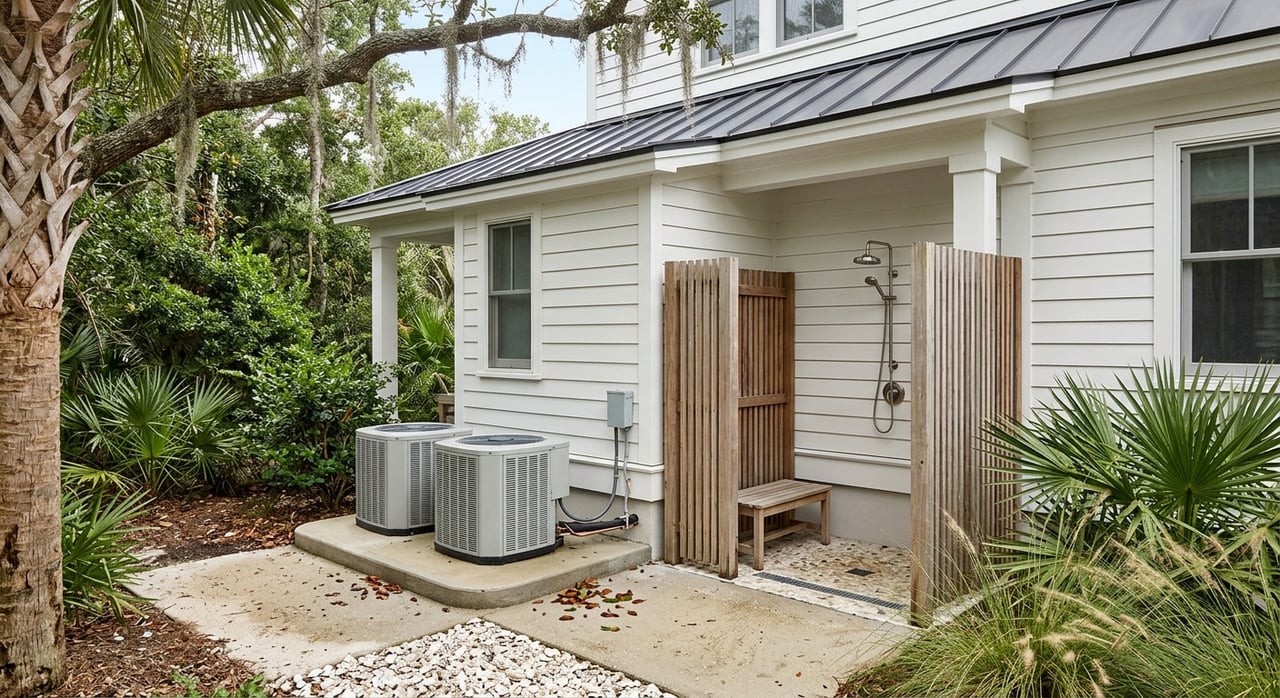
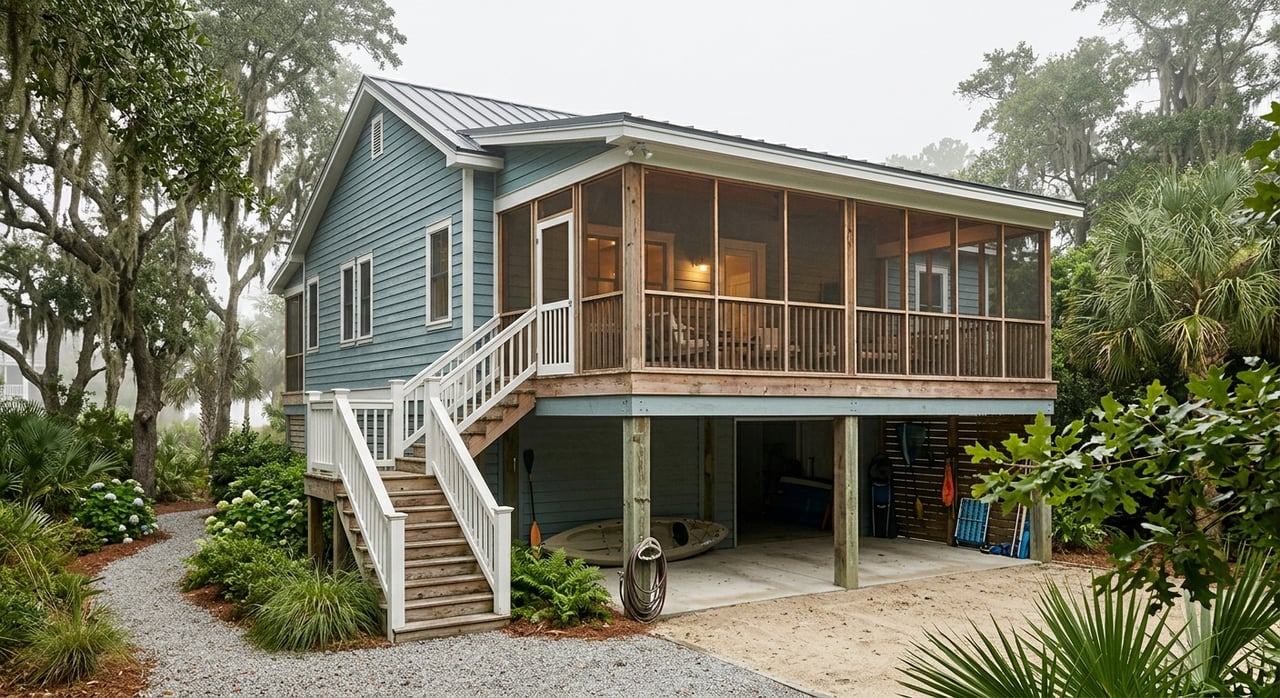
If your home has a porch, pool area, courtyard, marsh-facing room, or inviting guest suite, those spaces should be prepared and photographed with care. Buyers are often buying the ease of the lifestyle as much as the address.
Build a polished marketing package
A strong Sea Island listing should feel complete from day one. In a market with high price points and limited buyer activity, passive marketing is rarely enough.
Instead, a concierge-style approach is usually the smarter path. That means professional photography, detailed listing information, clear floor plan context when available, thoughtful staging, and coordinated showings that respect both your home and the buyer’s experience.
What your launch should include
Your listing package should be designed to answer buyer questions early and create confidence. In many cases, that includes:
- Professional photography
- A detailed property description
- Floor plan information when available
- Video or virtual tour assets when appropriate
- A pricing analysis based on highly relevant comparable sales
- Show-ready preparation before the home is publicly marketed
This kind of preparation supports a stronger debut. It also helps attract serious buyers who are better aligned with the property from the start.
Get ahead of flood-related questions
Coastal buyers often want answers about flood exposure early in the process. If you can gather that information before listing, you may reduce delays later and make your home easier to evaluate.
Glynn County’s flood protection program states that homeowners insurance does not cover flooding, the county participates in the National Flood Insurance Program, and flood insurance has a 30-day waiting period. The county also notes that all development in the floodplain requires a permit and that elevation certificates are required for floodplain permits.
For sellers, this means documentation matters. If your property has an elevation certificate, permit history, or flood-zone details available through Glynn County GIS, having those items organized before going live can be helpful.
Why renovation history matters too
If your home has had major improvements, it is smart to review them early. Glynn County says that improvements equal to or above 50% of a building’s market value can trigger new-construction standards under substantial-improvement rules.
That does not mean every updated home will face an issue. It does mean buyers may ask questions about permits, floodplain compliance, and property records, especially at higher price points.
Plan for tax and closing details early
Sea Island sellers, especially second-home owners and nonresident owners, should look at closing-related items before the home hits the market. Early review can help prevent last-minute surprises.
Georgia’s Department of Revenue states that real estate transfer tax must be paid before a deed can be recorded. By default, the seller is liable, though the parties may negotiate for the buyer to pay it.
Georgia also requires nonresident sellers of Georgia real property to withhold 3% of the purchase price or recognized gain, subject to exceptions and affidavits. If you do not live in Georgia full time, this is one of the first items worth checking with your closing professionals.
Review your property tax status
The Georgia Department of Revenue also states that property taxes are assessed against the owner on January 1, that real property is taxed in the county where the land is located, and that assessments are generally at 40% of fair market value. County returns are due between January 1 and April 1.
These details may not change your decision to sell, but they can affect your planning. If timing matters to you, it is helpful to understand where you stand before you list.
Work with a local, hands-on listing strategy
Luxury coastal homes need more than a sign and a listing number. They need thoughtful pricing, careful preparation, polished marketing, and steady communication from start to finish.
NAR’s 2025 buyer and seller report found that 91% of sellers used a real estate agent and 88% of buyers purchased through an agent or broker. In a place like Sea Island, that makes sense. A high-value, low-volume market benefits from close guidance and a tailored plan.
With the right local partner, you can move through the process with a clearer understanding of what buyers expect, how your home compares, and what needs to happen before launch. That kind of preparation is often what turns uncertainty into confidence.
If you are getting ready to sell your Sea Island home and want a concierge-level plan built around your property, your timing, and your goals, connect with Linda Williams for a free consultation.
FAQs
What makes selling a home in Sea Island different from other coastal markets?
- Sea Island is a small, high-value micro-market where buyers often focus on lifestyle, privacy, views, and overall property experience, so pricing and presentation usually need to be more tailored than in a broader market.
What should Sea Island sellers do before listing a luxury home?
- Before listing, you should declutter, deep clean, improve curb appeal, prepare key lifestyle spaces for photos, and gather useful documents such as flood-zone information, elevation certificates if available, and relevant permit records.
How important is staging when selling a Sea Island property?
- Staging can be very helpful because it makes it easier for buyers to visualize the home, can support stronger offers, and may help a property sell faster, especially when online photos and virtual presentation play a major role.
What flood information should Sea Island homeowners gather before a sale?
- You should be ready to review flood-zone details, any available elevation certificate, and permit history tied to floodplain work or major improvements because coastal buyers often ask for that information early.
What closing costs or tax items should Sea Island sellers review in Georgia?
- Sellers should review Georgia transfer tax rules, property tax timing, and whether nonresident withholding may apply, since those items can affect planning and closing preparation.