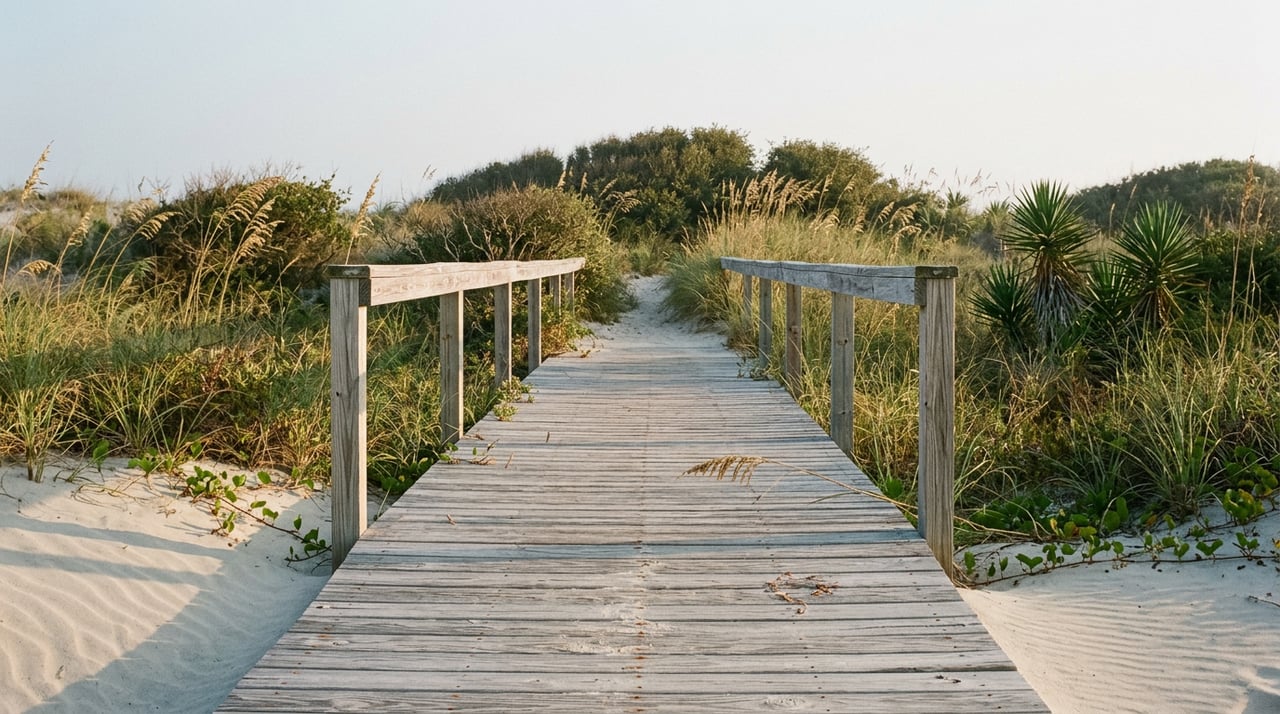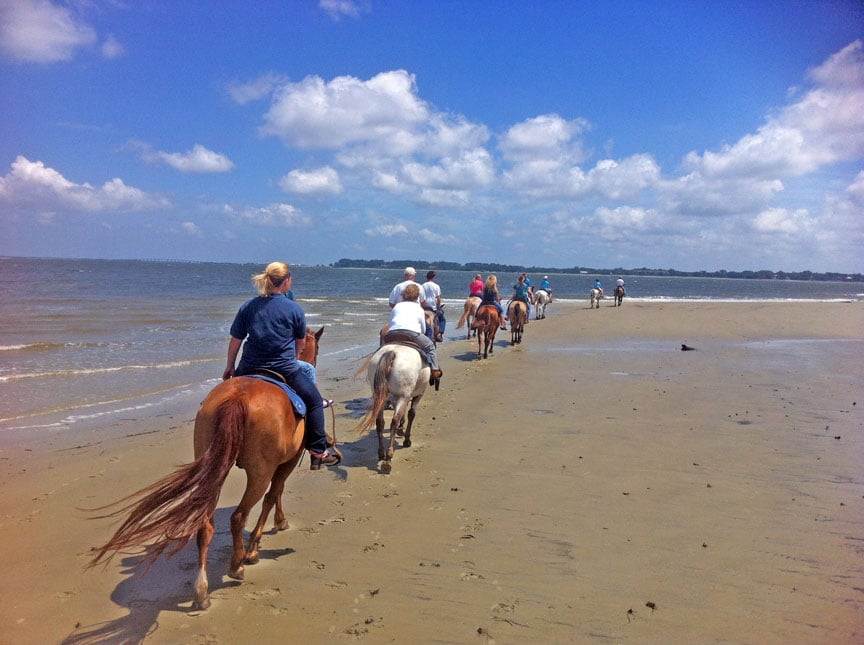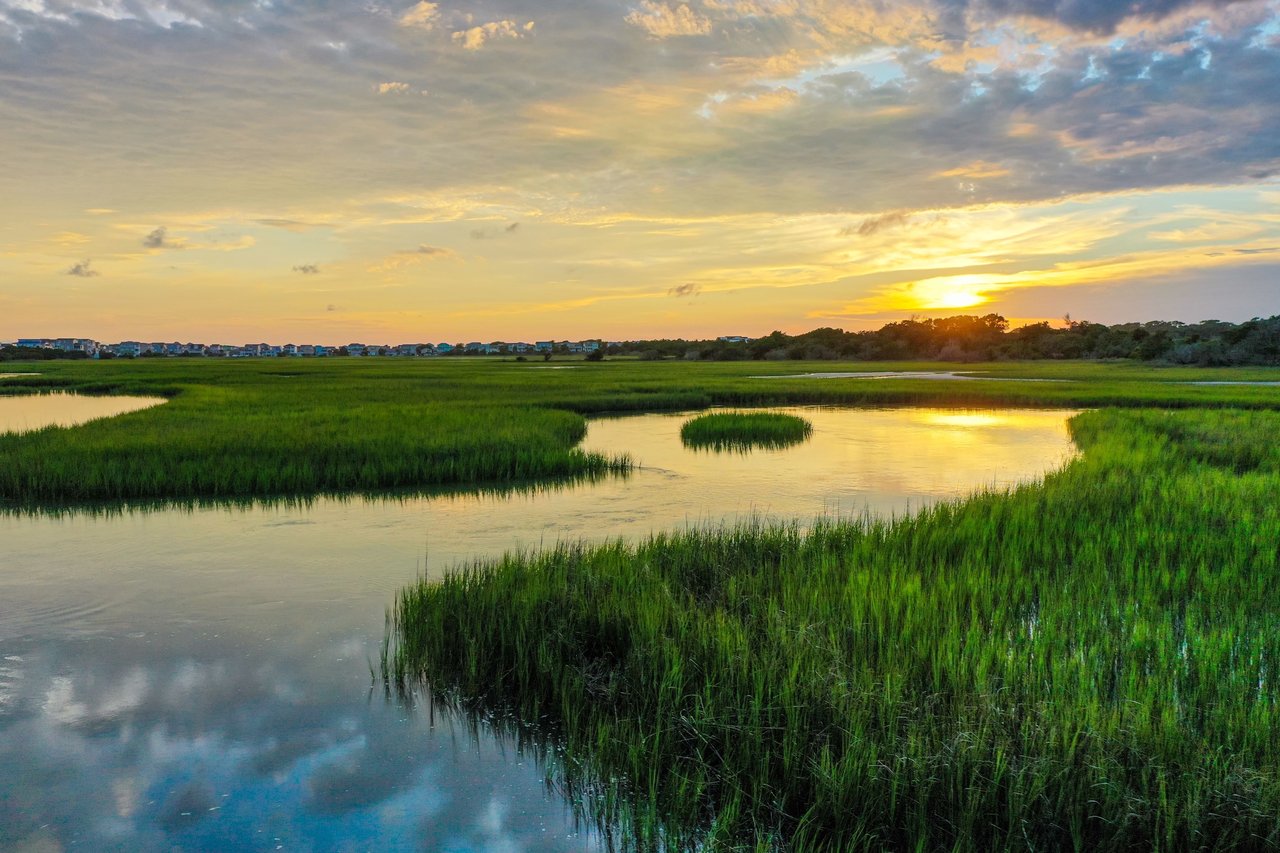
Walk out to Gould's Inlet on the last Saturday of September and you'll likely catch a painted bunting working the scrub just off the trail, its blue head and red underside impossible to mistake for anything else on this coast. Walk the same stretch of sand eight weeks later and that bird is gone. In its place: a string of loons riding the swells past the point, scoters diving beyond the breakers, maybe a northern gannet folding itself into a plunge a hundred yards offshore. Same trailhead, same parking lot, same six-tenths of a mile of beach. Completely different show.
That turnover is the thing worth understanding if you live here and walk this stretch regularly. Gould's Inlet doesn't have one long fall migration season. It runs through three distinct, overlapping windows, and each one rewards a different kind of attention.
Three acts, not one long season
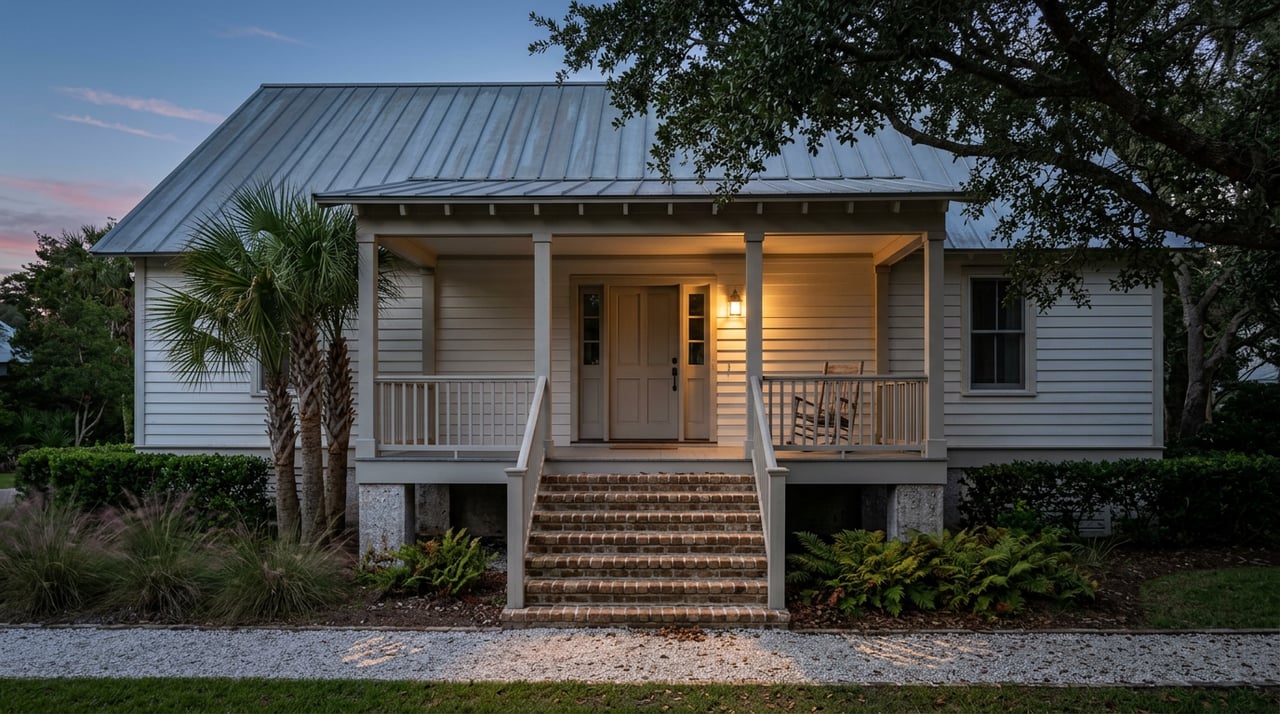
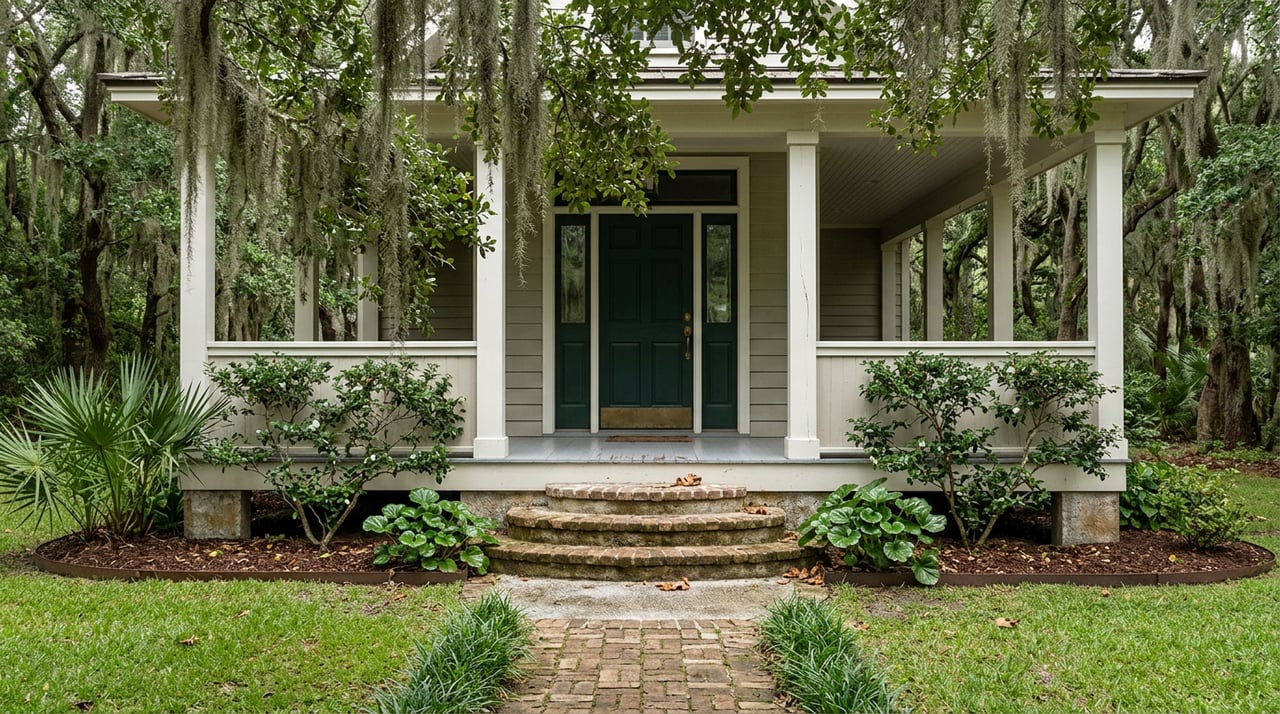
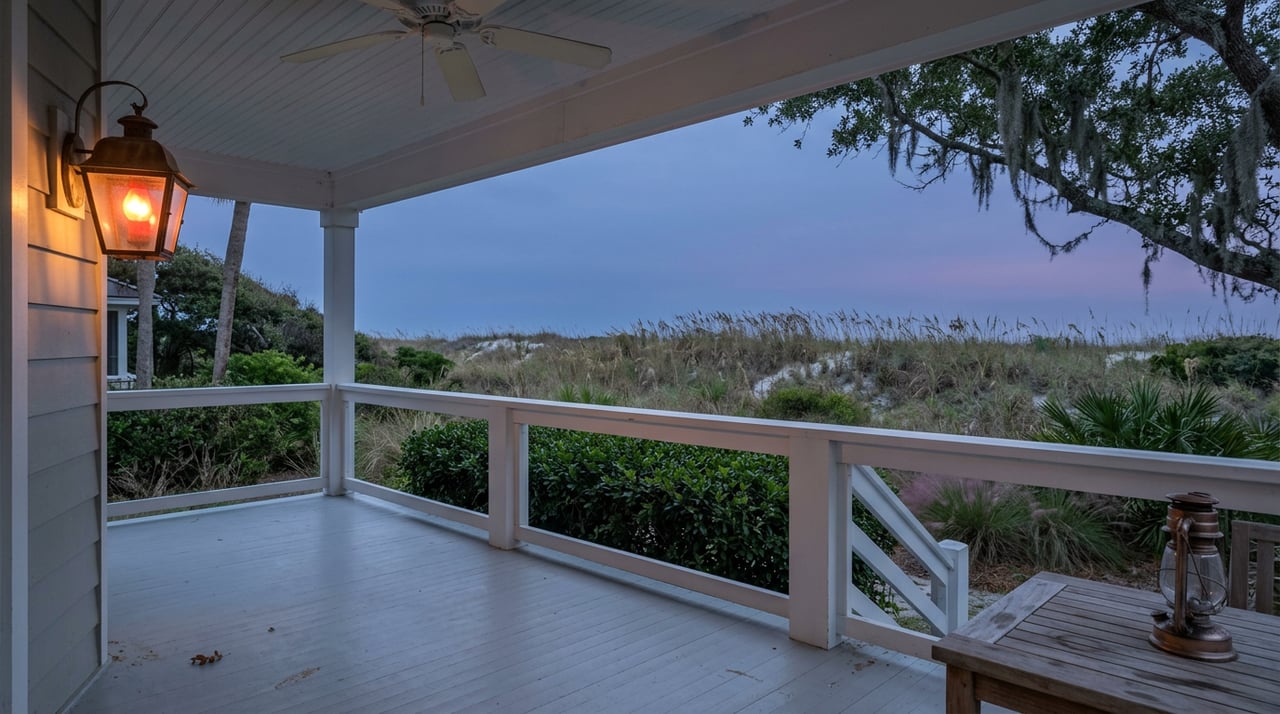
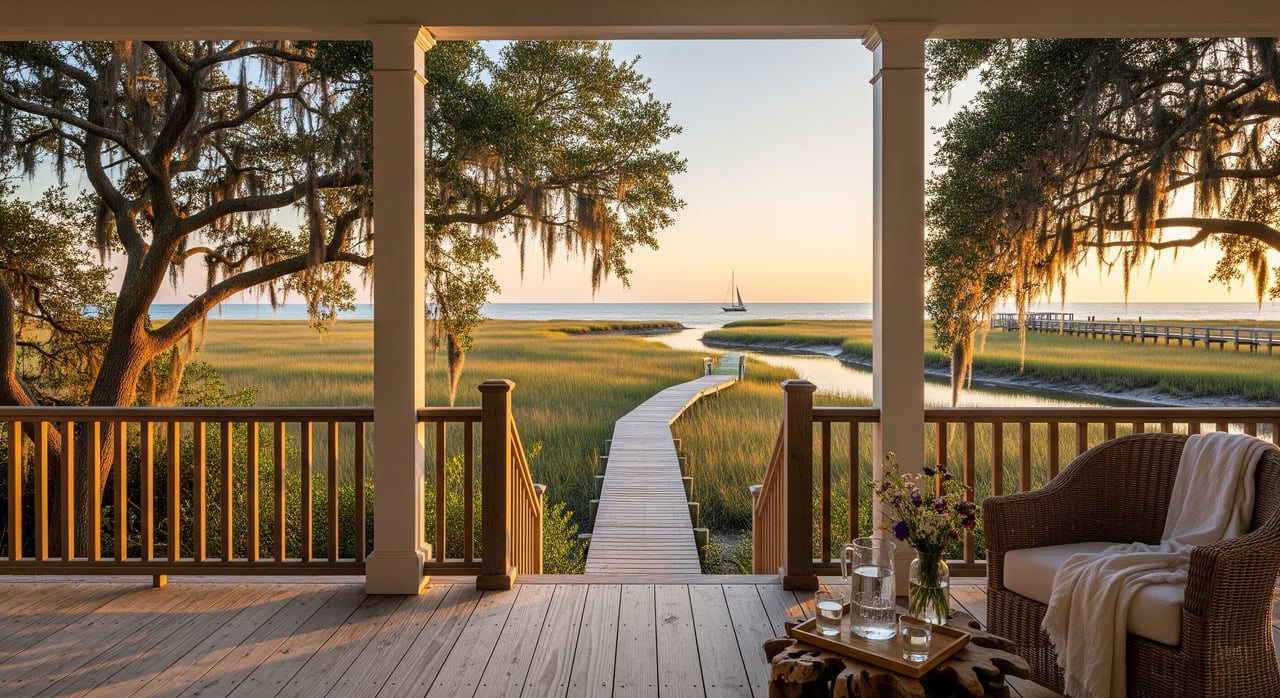
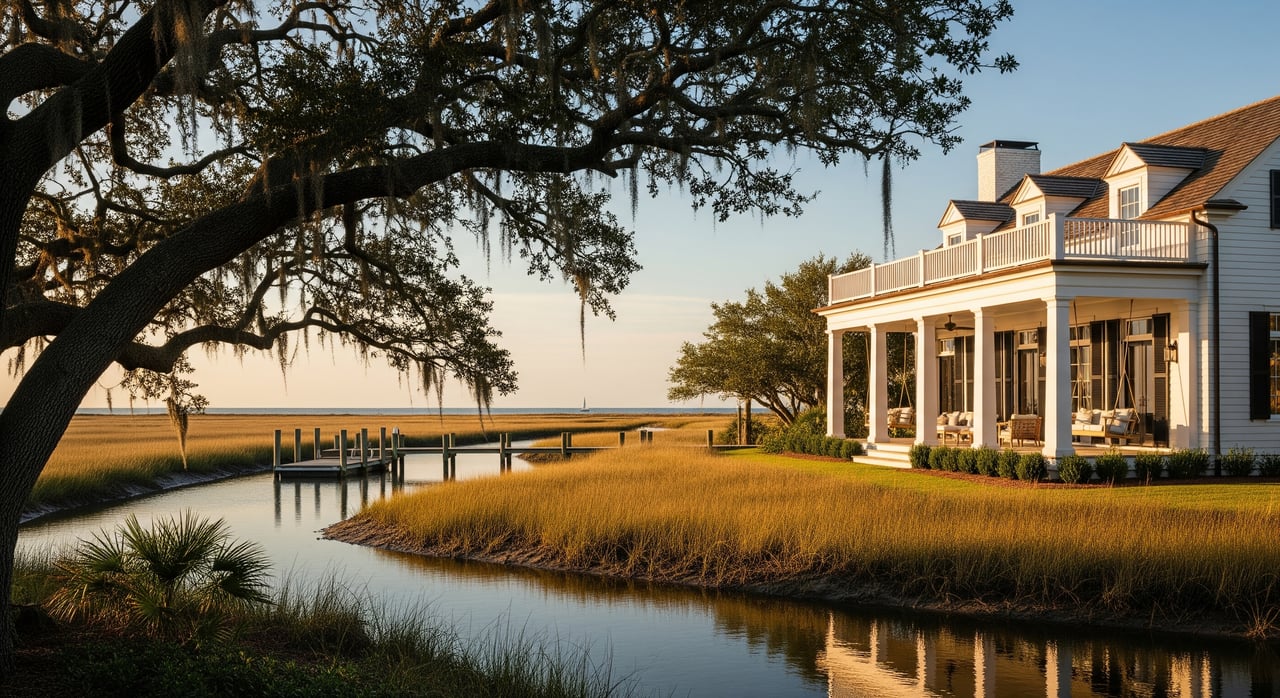
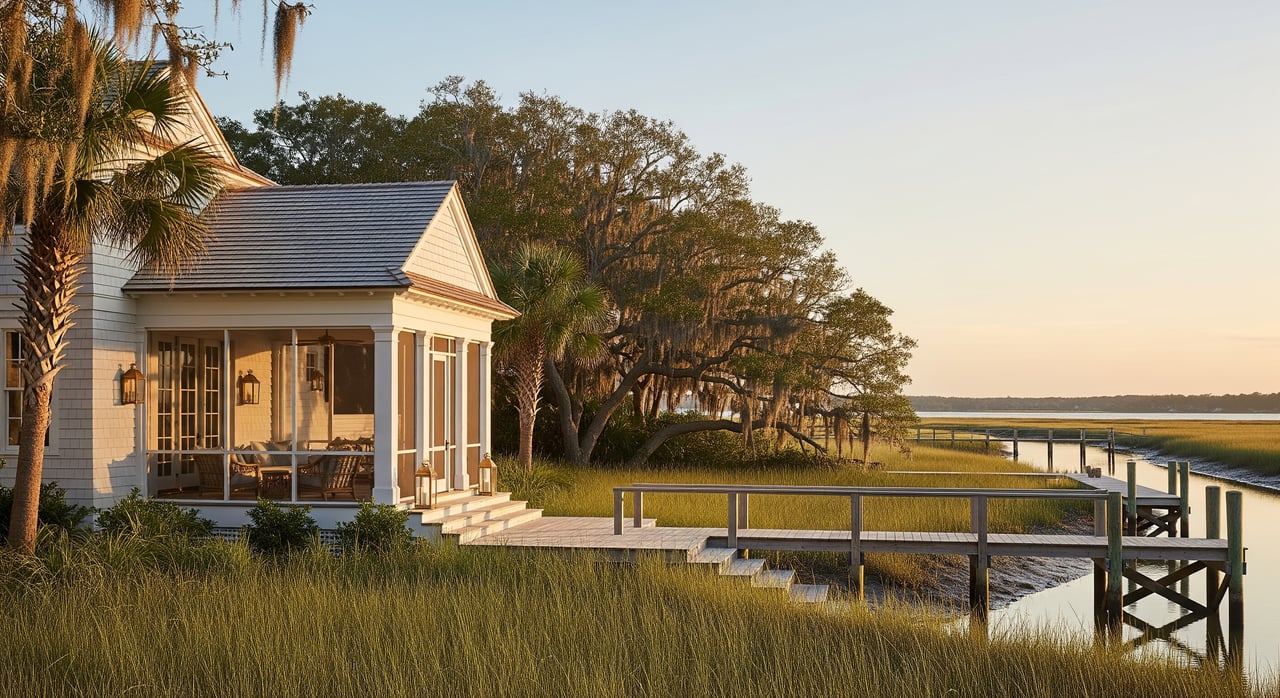
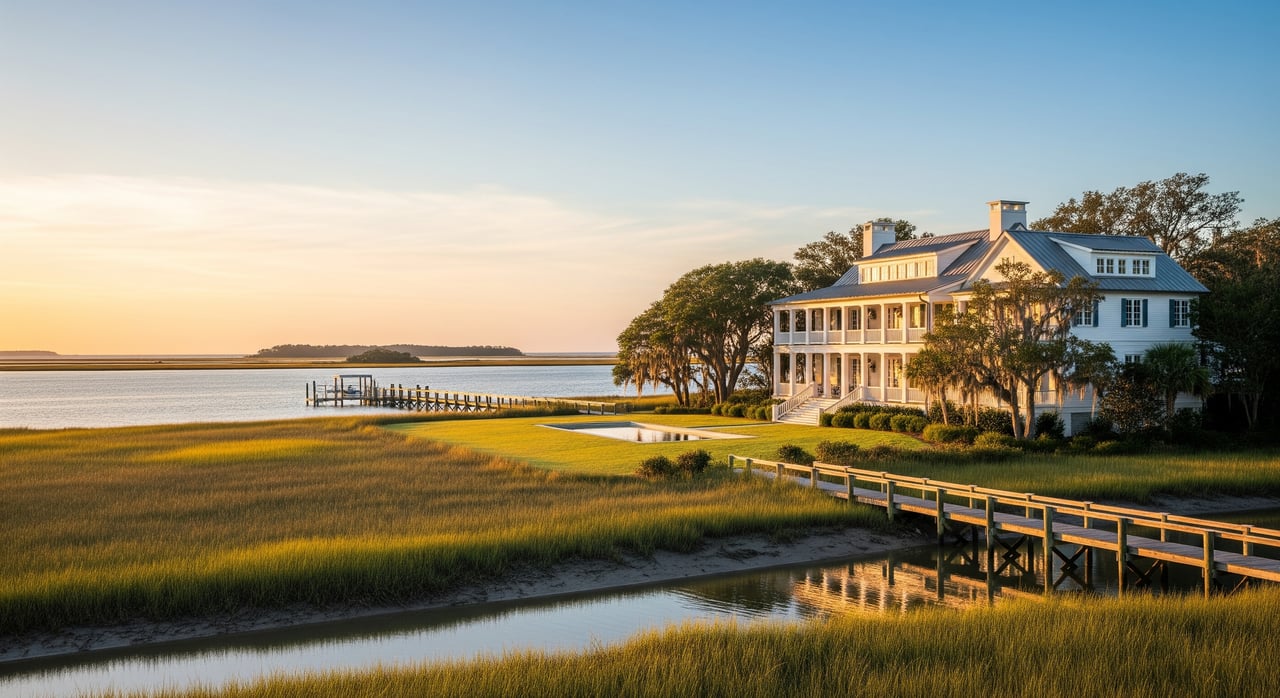
The inlet sits at the northern tip of East Beach, a residential stretch of St. Simons Island that includes some county owned land, and it's built for exactly this kind of birding. Beach access opens onto tidal flats and inter-dune scrub in the same short walk, which means a birder can catch shorebirds working the tideline and migrant songbirds moving through the woodlands without relocating. Georgia's own birding trail network flags it as one of the better access points on the island for precisely that reason.
What changes across the fall isn't the location. It's the cast.
Act one: the holdovers
Late summer bleeds into early fall with species that are technically still around from the breeding season rather than freshly arrived. Painted buntings fall into this category. They show up at Gould's during migration and through the summer, which means the bird you spot in late September is more likely a straggler finishing its season here than a new arrival passing through.
Reddish egrets follow a similar pattern but stretch a little further into the calendar. Mid to late summer through fall is when Gould's becomes one of the more reliable spots on this stretch of coast to actually find one, a bird that's scarce enough elsewhere that its regular presence here is worth knowing about if you care about that kind of thing.
Both species are winding down by the time the calendar turns toward November. If you want them, September is your window, not October.
Act two: the shorebird push takes over
The middle of fall belongs to the shorebirds, and this is the window where volume and variety both peak. American oystercatchers, Wilson's plovers, whimbrels and a run of tern species, royal, Caspian, gull-billed and least, all move through the flats in numbers. Gray kingbirds and black skimmers round out the mix.
You don't have to take a casual birder's word for when this window lands. Little St. Simons Island, a separate barrier island a short boat ride away reached through its lodge, builds an entire multi-day naturalist program around it every September, timed specifically to the stretch when migrating shorebirds like whimbrel, red knot and piping plover are moving through in the heaviest numbers. Professional naturalists don't schedule a program like that around a guess. The fact that they book it for mid-September tells you where the regional peak actually sits, and Gould's Inlet sits on the same flyway corridor.
By the time that window opens, sea turtle season on East Beach has already wrapped. Volunteers monitor the nesting beach from May through September, so the same stretch of sand that spent the summer under turtle patrol becomes shorebird territory almost the moment that monitoring ends. One season closes out right as the next one opens.
Tide beats calendar
Picking the right week matters less than picking the right hour within that week. Rising water on a mid to high tide pushes shorebirds and seabirds off the exposed flats and concentrates them close to shore, which is the difference between watching specks through binoculars and getting a clean look at a whimbrel's curved bill fifty feet away. Low tide scatters the same birds across acres of open flat, and from the beach they're just distant dots.
If you're planning a walk around this window, check the tide chart before you check the weather. A clear morning on a falling tide will show you less than an overcast one timed to the rising water.
Where to actually stand
Park at the Coast Guard Station lot and walk north. That's the access point locals and the regional birding trail both point to, and it's the route that gets you to the best beach birding before you've gone far. Parking directly at Gould's Inlet itself is limited, so the walk north from the station is the more dependable option most days.
Once you're moving, watch for the side trails that cut into the inter-dune scrub and woodland edge. That's where the migrant land birds, including the painted buntings during their window, tend to show up rather than out on the open sand. If you're bringing a dog, check the local beach ordinances first. Rules on dogs along this stretch aren't universal across the island, and Gould's has its own restrictions worth confirming before you go.
If you want to extend the outing, Bloody Marsh and Cannon's Point Preserve are both a short drive away and turn up on the same birding trail listings as companion stops for the same kind of variety, marsh edges and maritime forest rather than open beach.
Act three: the turnover to winter
By late fall the cast changes again. Piping plovers, which pass through as migrants earlier in the season, settle in as winter residents instead. Common and red-throated loons, scoters and scaup start showing up in the water off the beach. Northern gannets become a winter fixture, visible from shore as they fold into steep dives after baitfish. Warblers still move through the dune thickets during this stretch too, part of the same fall push that started with the shorebirds in September.
This is the quietest of the three windows in terms of raw numbers moving through, but it's the one that rewards patience over volume. You're not counting how many birds pass in an hour. You're watching for the handful of species that only show up once the water cools.
Knowing which act you're standing in changes what a walk to Gould's Inlet is actually going to give you. September rewards a slower look at the scrub edge. Mid-fall rewards showing up on a rising tide and counting shorebirds on the flats. Late fall rewards scanning the open water instead of the sand. Same trailhead every time, three different reasons to make the walk.
If you're weighing a move to a stretch of the island where mornings like this are part of daily life, Coastal Georgia Real Estate knows the East Beach area well enough to talk through what living near it actually looks like season to season.