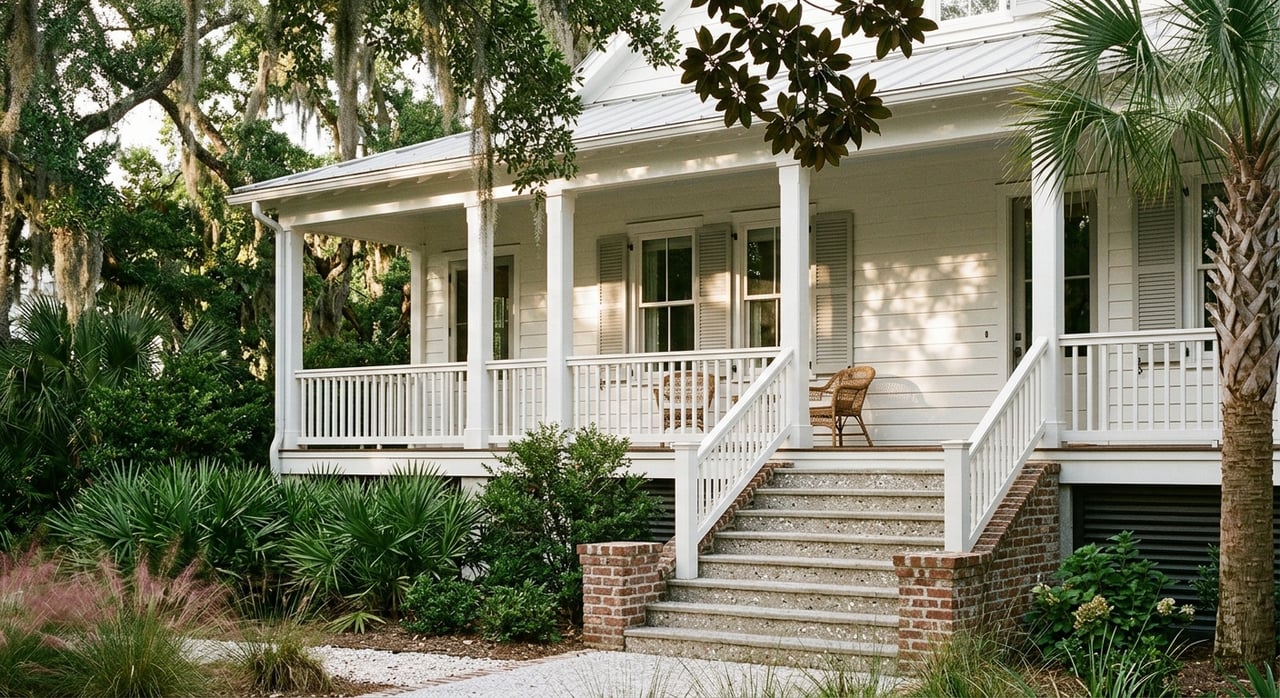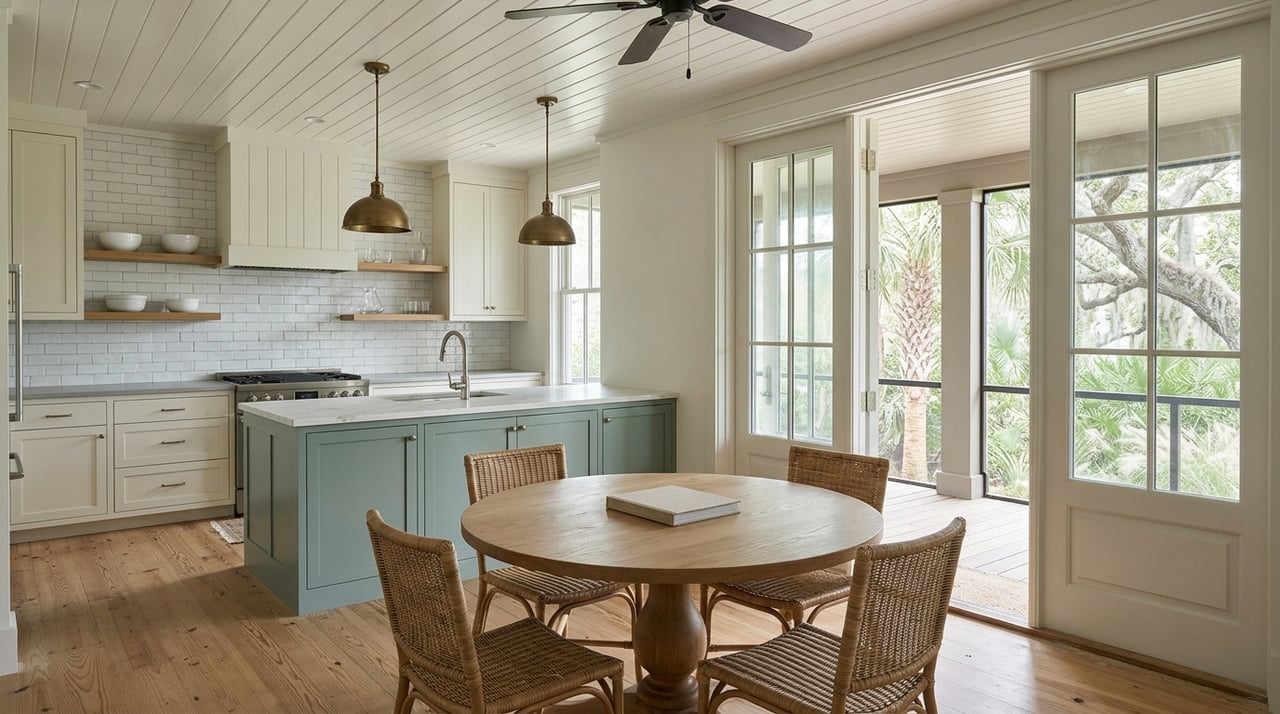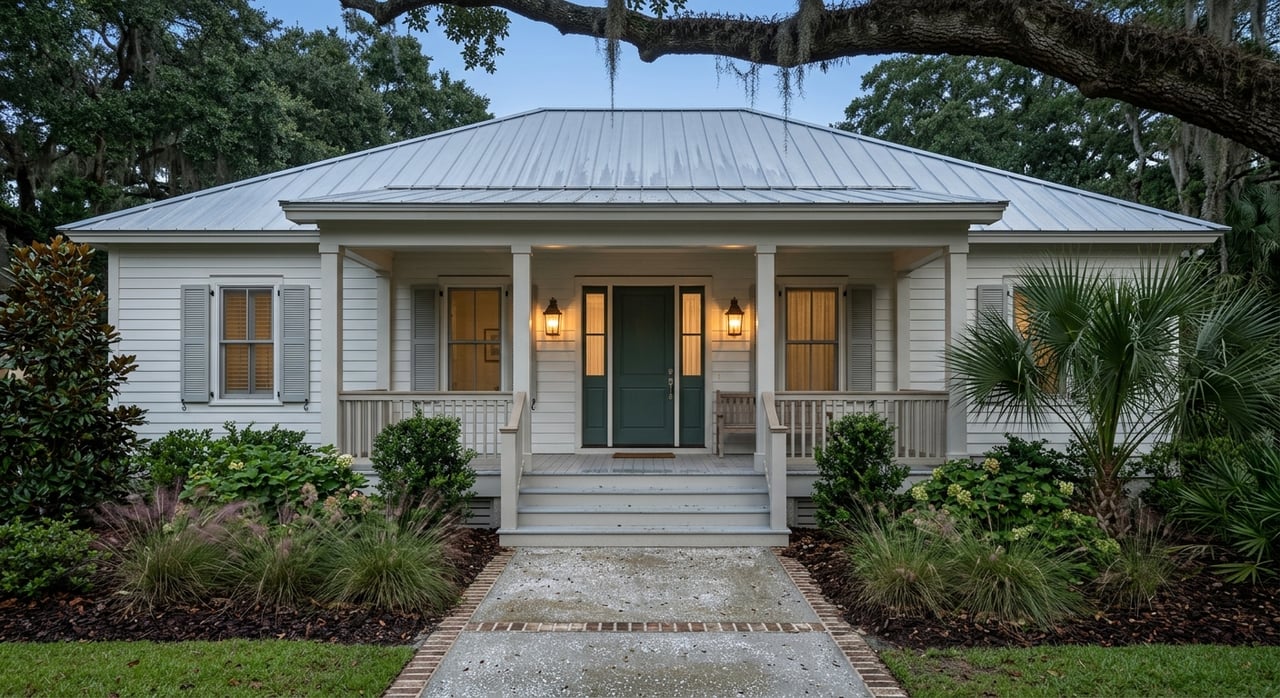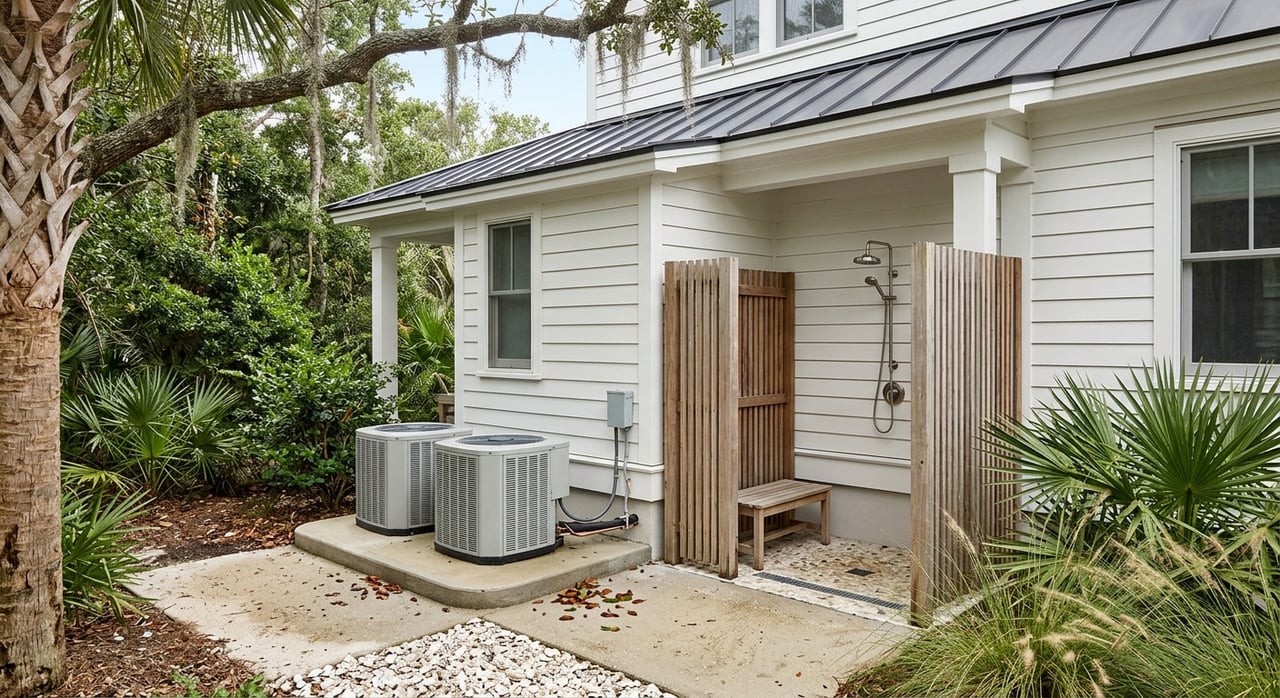
If you are thinking about selling a home on Jekyll Island, timing can shape how much attention your property gets and how smoothly the process unfolds. This is not a one-size-fits-all market, and sellers here often balance second-home use, rental schedules, and seasonal buyer demand. The good news is that a smart plan can help you match your sale to the island’s rhythm and today’s market conditions. Let’s dive in.
Why timing matters on Jekyll Island
Jekyll Island has a different market dynamic than many mainland areas. Development is tightly limited, and much of the island remains in a natural state, which helps keep supply constrained over time. That limited supply is part of what gives the island its distinct appeal to buyers.
Demand is also shaped by more than just local household moves. Jekyll Island’s economy is strongly tied to visitors and part-time ownership, which means your likely buyer could be a primary resident, a second-home buyer, or an owner looking for a vacation or investment property. For sellers, that creates opportunity, but it also means buyer activity tends to follow the island’s seasonal patterns.
Best months to sell on Jekyll Island
For many owners, the strongest listing window is late March through May. Official island traffic and amenity data show a clear ramp in activity during late spring and summer, with March 2024 described as an early preview of summer season. That makes spring a practical time to put your home in front of buyers before the busiest warm-weather months are fully underway.
This timing also lines up well with broader seller patterns. National studies have pointed to late April and May as strong months for sellers, and those findings fit the way buyer traffic tends to build on Jekyll Island. While national data should not replace local insight, it supports the case for a spring launch.
Why spring often gives sellers an edge
A spring listing can help you catch buyers when island activity is picking up and the weather is generally more predictable. Visitors are arriving, amenities are active, and second-home shoppers may be planning ahead for summer use. That can mean more eyes on your property during the first weeks on market.
Spring also comes before the peak of Atlantic hurricane season uncertainty. Hurricane season runs from June 1 through November 30, with peak activity usually from mid-August through mid-October. If your goal is to launch during the cleanest window, late spring usually offers the best balance of exposure and fewer weather-related concerns.
Jekyll Island is seasonal, but active year-round
It is important not to think of Jekyll Island as a market with only one brief selling season. The island is promoted as a year-round destination, with beaches, golf, museum tours, the Georgia Sea Turtle Center, Summer Waves, lodging, and events across every season. That supports a longer window of buyer interest than you might expect.
In practical terms, that means you do not have to panic if you miss April or May. A well-prepared property can still attract serious buyers in summer, fall, or winter, especially if it matches what buyers want and enters the market in strong condition. Timing helps, but timing alone does not sell a home.
What the current market means for sellers
Recent data suggests Jekyll Island is not an overheated market. Realtor.com’s March 2026 snapshot showed 65 homes for sale, a median listing price of $449,500, a 98% sale-to-list ratio, and 105 median days on market, describing the market as balanced. That tells sellers to expect buyers to compare options carefully.
Redfin’s three-month data ending May 2026 painted a somewhat faster picture, with a median sale price of $699,581, 37 median days on market, and 15 homes sold in May. Because these sources track different slices of the market, the numbers are best read as directional rather than identical. Still, together they suggest that homes are selling, but thoughtful pricing and preparation matter.
Condos may face more competition
County-level data adds another important layer. In Glynn County, single-family inventory was up 56.6% year over year in March 2026, with 4.5 months of supply. For townhouse and condo properties, inventory rose 153.2% year over year and months supply reached 9.8.
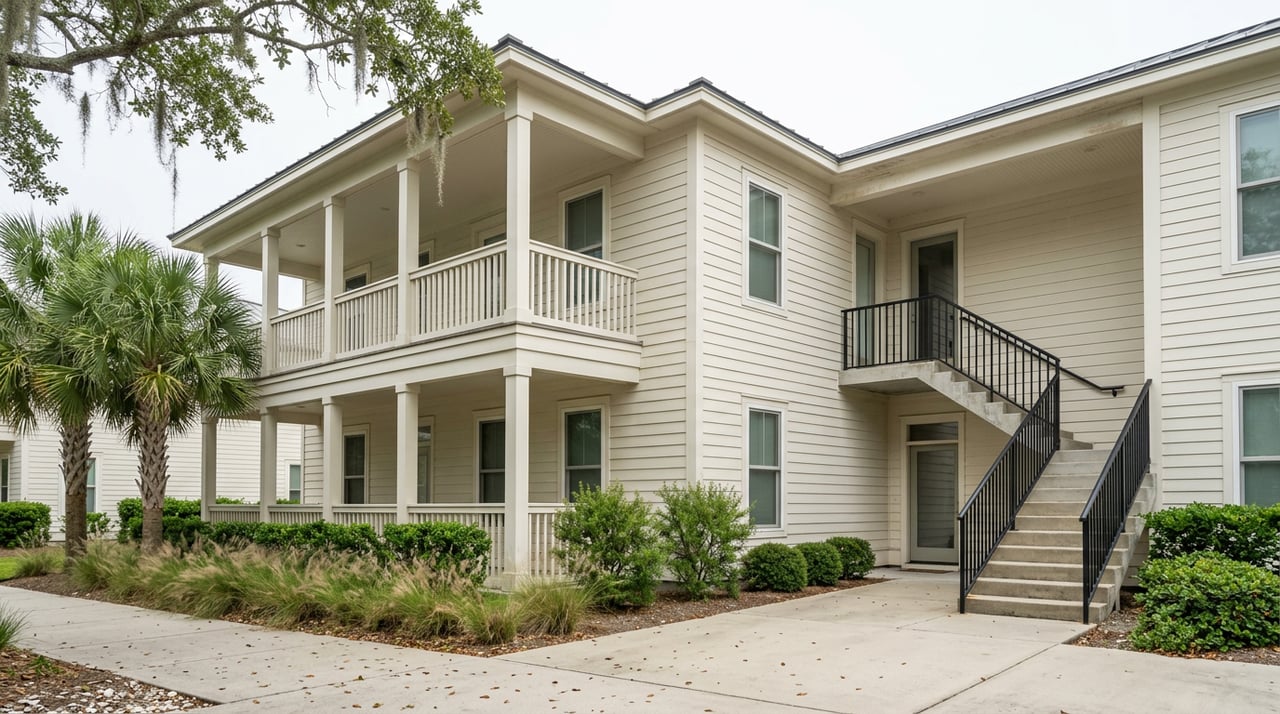
That is especially relevant on Jekyll Island, where condos and low-maintenance second homes make up a meaningful part of the market mix. If you are selling a condo, you may be competing against more similar options. In that case, your timing, pricing, presentation, and documentation become even more important.
Should you list now or wait?
A simple rule works well for many Jekyll Island sellers. If your home is ready and your goal is maximum exposure, spring is usually the best time to list. If your home still needs repairs, cleaning, or better records, it is often smarter to wait a few weeks and launch well.
A rushed listing can cost you momentum. In a balanced market, buyers notice when a home feels underprepared, overpriced, or poorly presented. A clean launch with strong photos, complete information, and realistic pricing often matters more than getting on the market a little earlier.
How to prepare before listing
If your home is a second home, condo, or rental property, prep work matters just as much as calendar timing. Buyers often want clear answers fast, especially when they are comparing island properties from out of town. Having your materials ready can make the process smoother and build buyer confidence.
Start by gathering key documents before you list:
- HOA or condo association materials
- Rental history, if the property has been rented
- Insurance information
- Recent repair invoices
- Warranties
- Appliance manuals
- A list of capital improvements
It can also help to think through the property’s physical condition early. Seller guidance cited in the research recommends considering a pre-sale inspection, estimating major repair costs even if you do not plan to complete them, and locating the manuals and warranties for systems and appliances that will stay with the home.
Presentation still matters in a balanced market
Even in a desirable coastal market, buyers respond to homes that feel cared for and easy to understand. Basic pre-listing work can make a meaningful difference in how your home shows and how quickly buyers feel ready to act.
Focus on these market-ready steps:
- Clean windows, carpets, lighting fixtures, and walls
- Reduce clutter
- Improve curb appeal
- Stage the home where helpful
- Aim to have the property ready at least two weeks before showings begin
If your home has been used as a rental or seasonal getaway, this step is especially important. Buyers need to picture how the property lives, not just how it functions between stays.
Special timing considerations for second homes and rentals
Many Jekyll Island owners are not selling a full-time residence. You may be working around guest bookings, owner stays, condo schedules, or turnover needs. That can affect when your home is easiest to show and when it is most presentable.
If you rely on rental income, there may be a tradeoff between maximizing bookings and listing during the strongest buyer window. In that case, it helps to map out your ideal sale timeline early. A seller strategy that accounts for both revenue and presentation can help you avoid rushed decisions.
For absentee owners, the planning piece matters even more. Coordinating repairs, staging, cleaning, records, and showing readiness from a distance takes time. A hands-on local plan can help you launch with confidence instead of scrambling right before the listing goes live.
The smartest selling strategy
For most Jekyll Island homeowners, the best answer is not simply “list in spring.” The better answer is to pair the strongest seasonal window with a property that is fully ready for market. That means realistic pricing, clean presentation, and organized documents.
On Jekyll Island, buyers are often shopping with purpose. They may be comparing second homes, low-maintenance condos, or island residences that fit a specific lifestyle or ownership goal. When your home enters the market at the right time and in the right condition, you give yourself the best chance to stand out.
If you are weighing the right moment to sell, local guidance can help you sort through timing, preparation, and competition in a practical way. For a personalized strategy for your Jekyll Island property, schedule a free consultation with Linda Williams.
FAQs
When is the best time to sell a home on Jekyll Island?
- For many sellers, late March through May is the strongest window because it lines up with rising island activity and comes before the peak of hurricane season uncertainty.
Is Jekyll Island only a spring real estate market?
- No. Jekyll Island has year-round attractions and events, so buyers stay active beyond spring, even though spring is often the most favorable launch period.
Does hurricane season affect the timing of a Jekyll Island home sale?
- Yes. Hurricane season runs from June 1 through November 30, with peak activity usually from mid-August through mid-October, so some sellers prefer to list earlier.
Should I wait to list my Jekyll Island property if it needs work?
- Usually, yes. If the home is not ready, it is often better to wait a few weeks for repairs, cleaning, staging, and documentation than to launch unprepared.
Are condos harder to sell on Jekyll Island than single-family homes?
- They can face more competition, since county-level data showed much higher inventory and months supply for townhouse and condo properties than for single-family homes.
What documents should I gather before selling a Jekyll Island second home or rental?
- Start with HOA or condo materials, rental history, insurance details, repair invoices, warranties, appliance manuals, and a list of capital improvements.