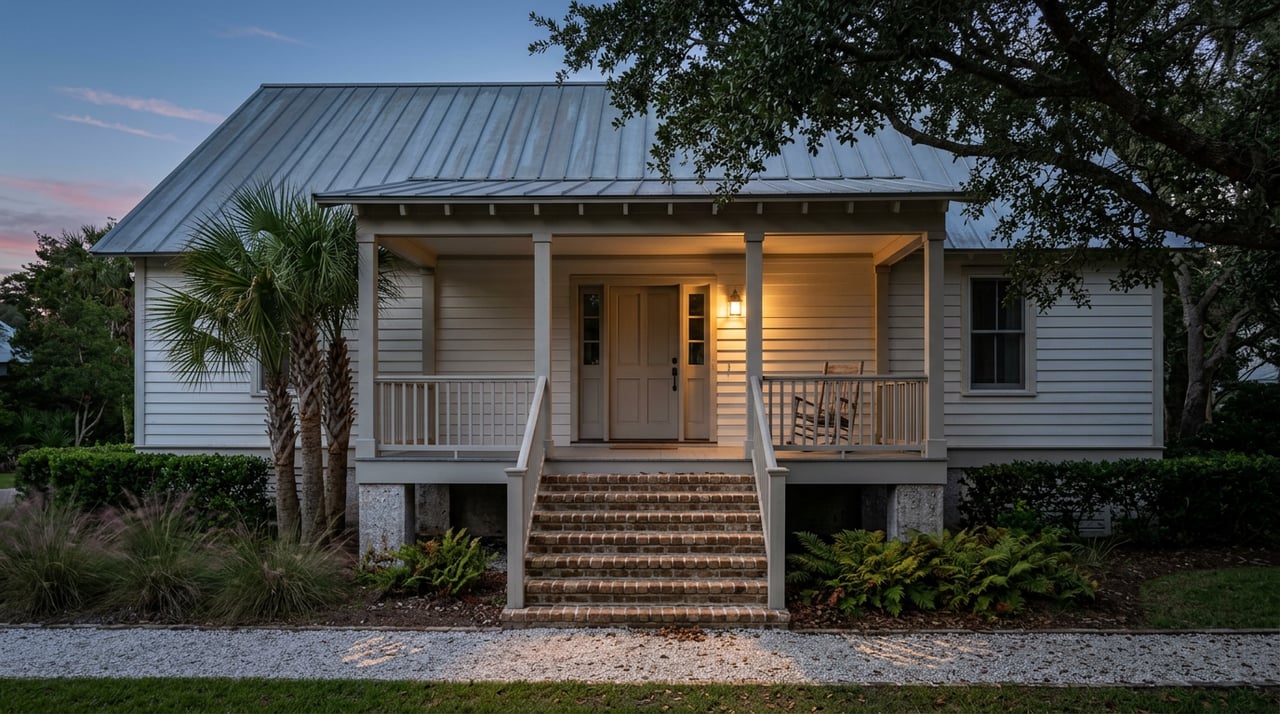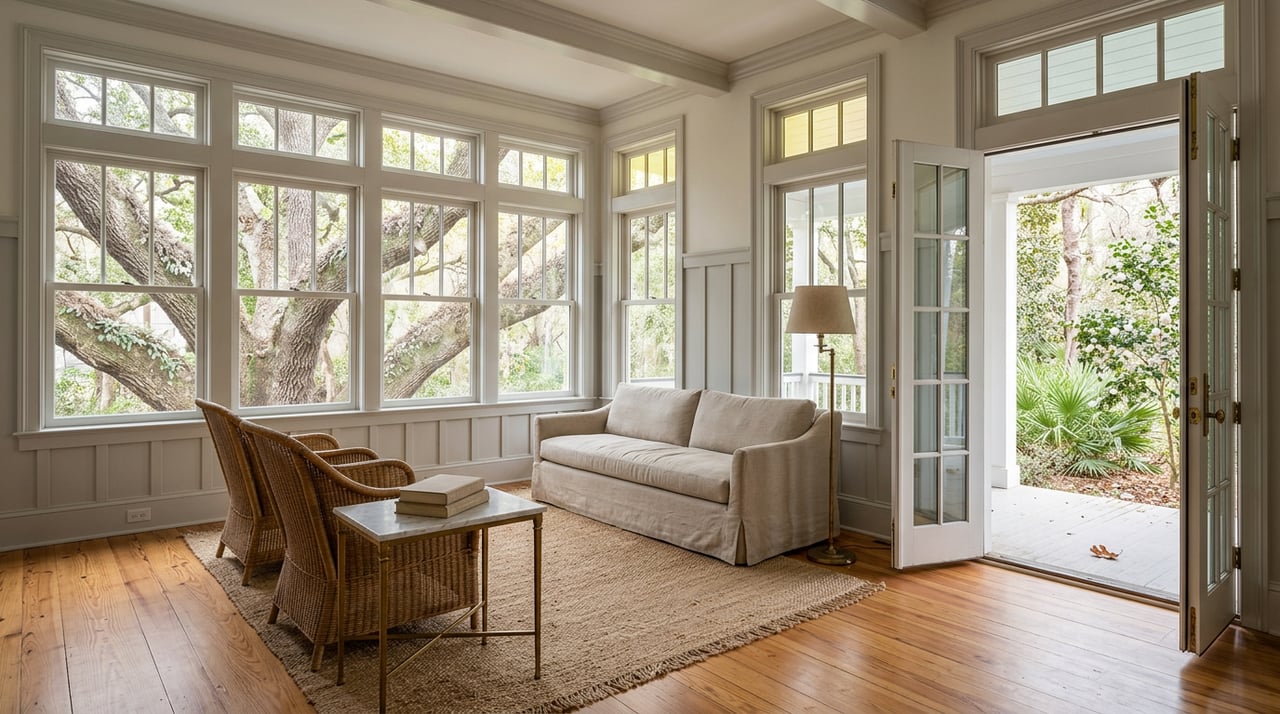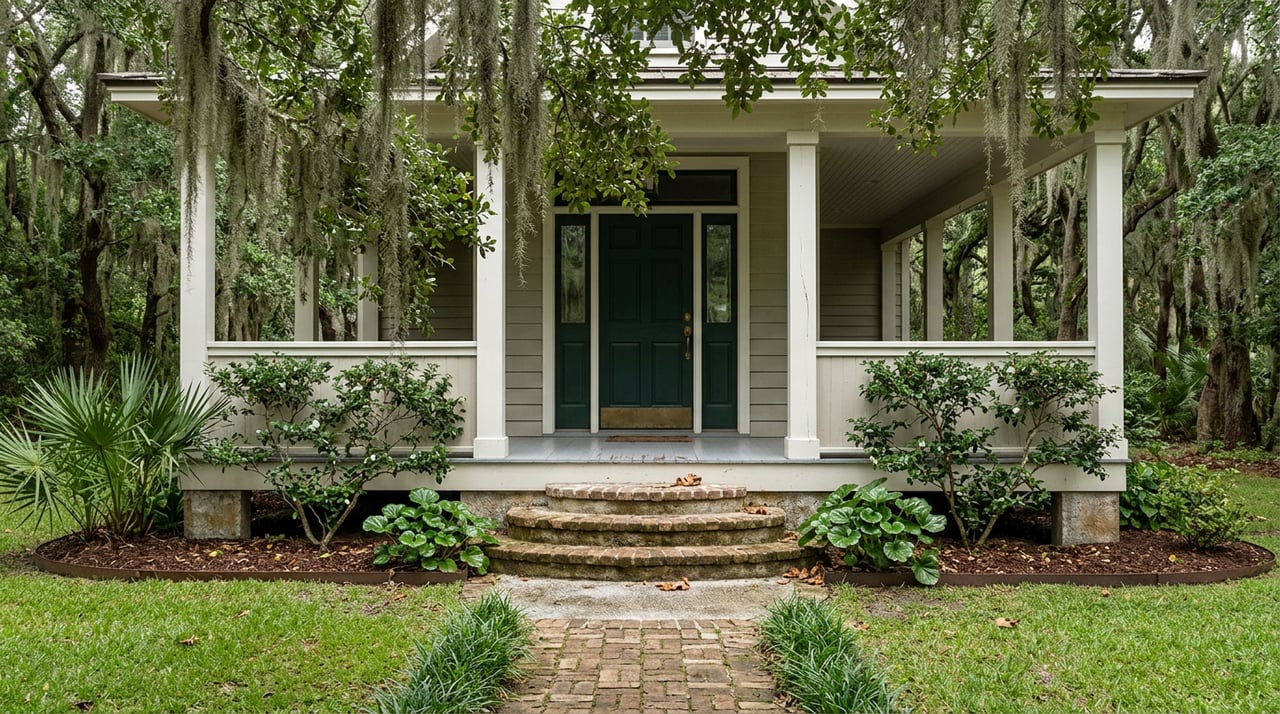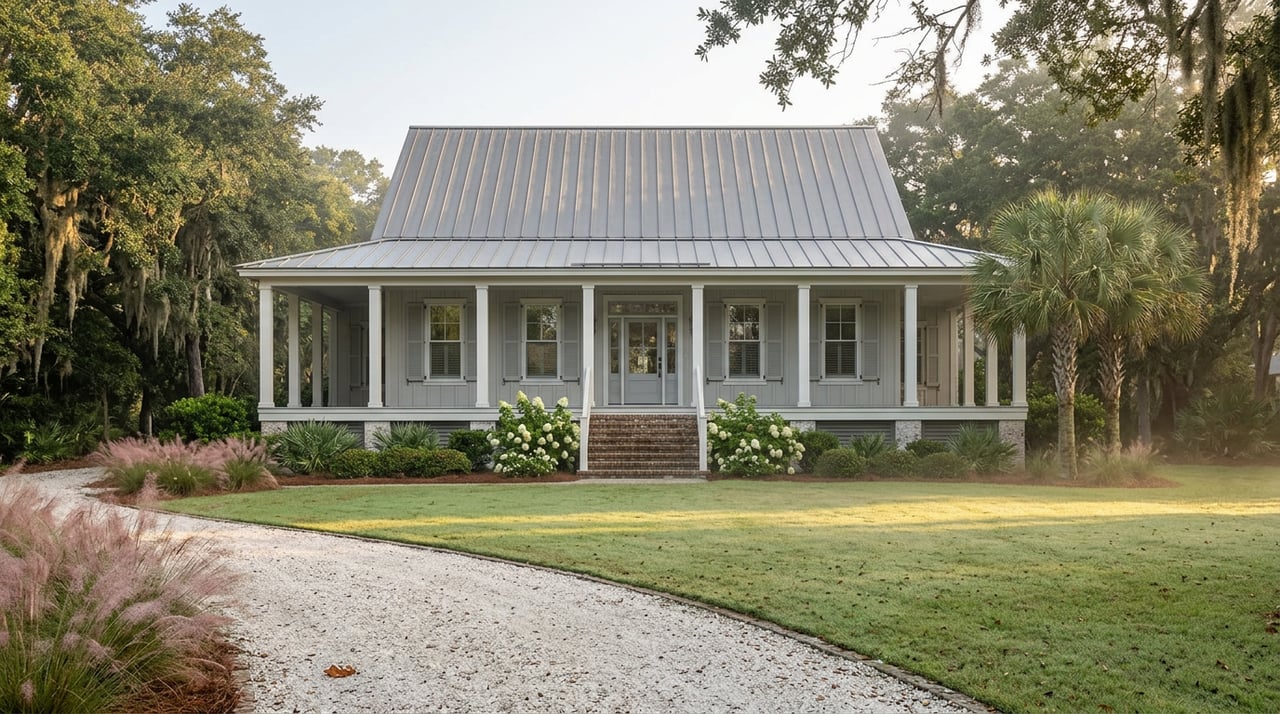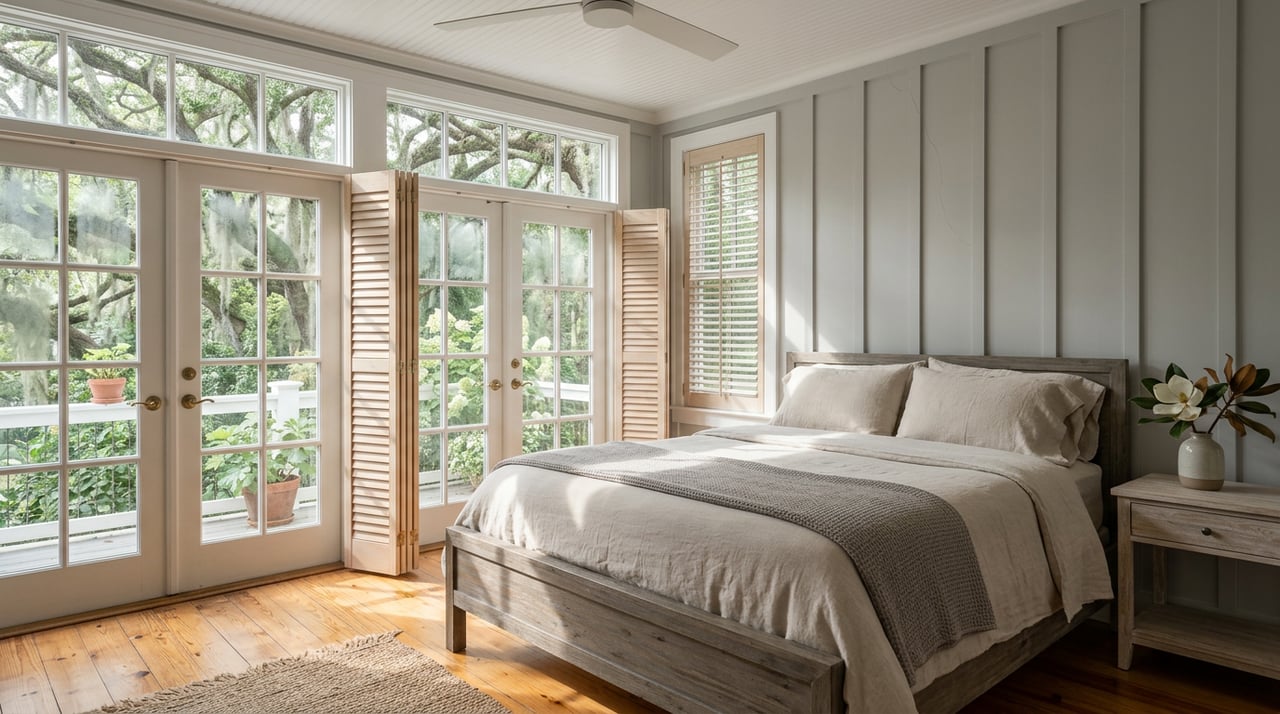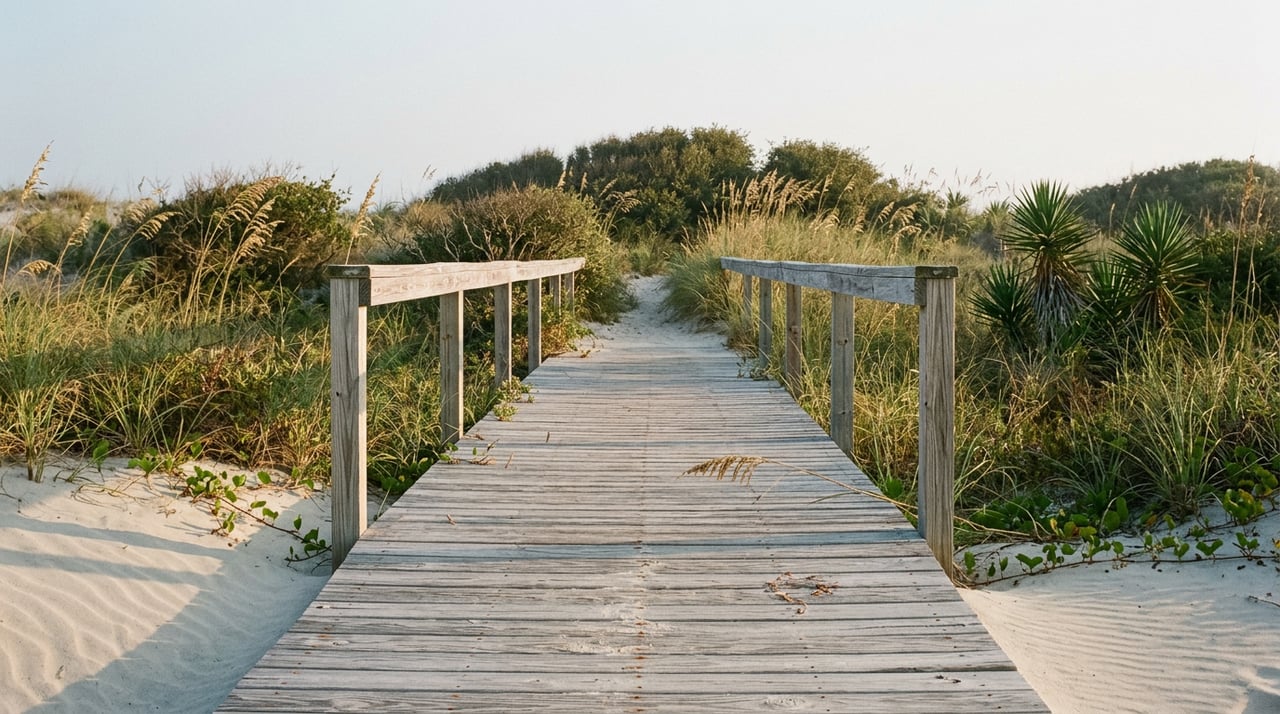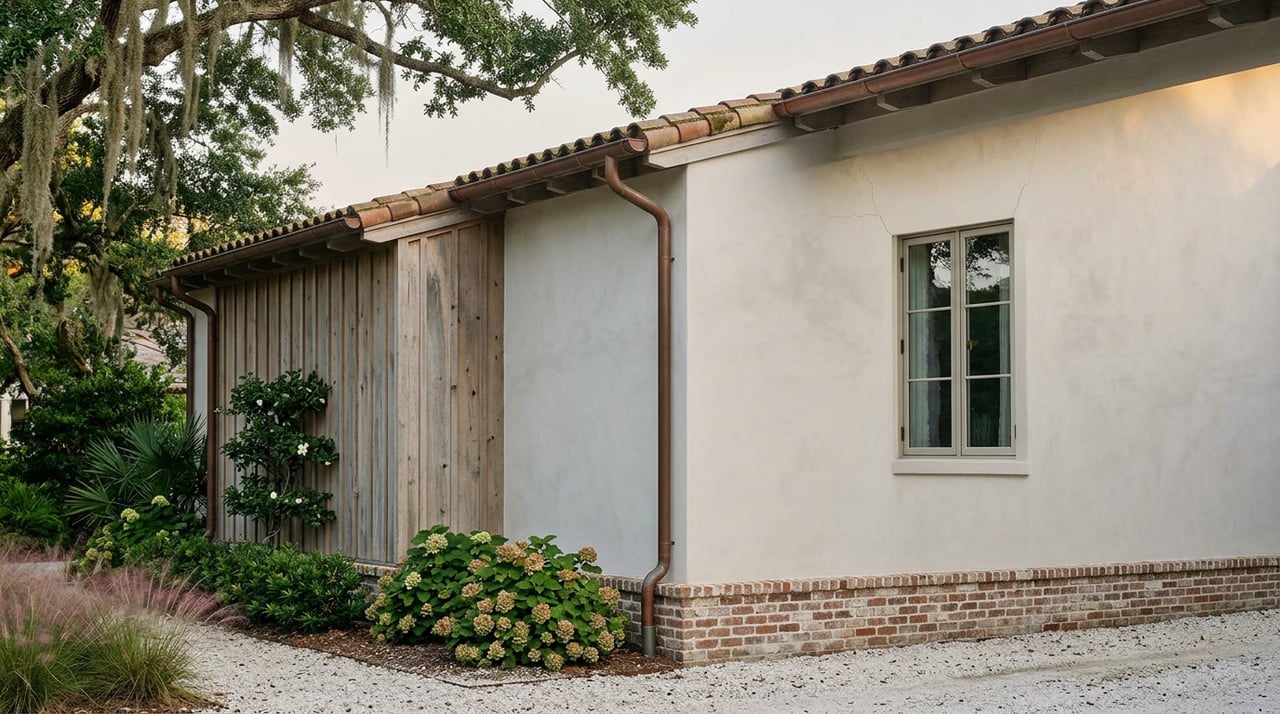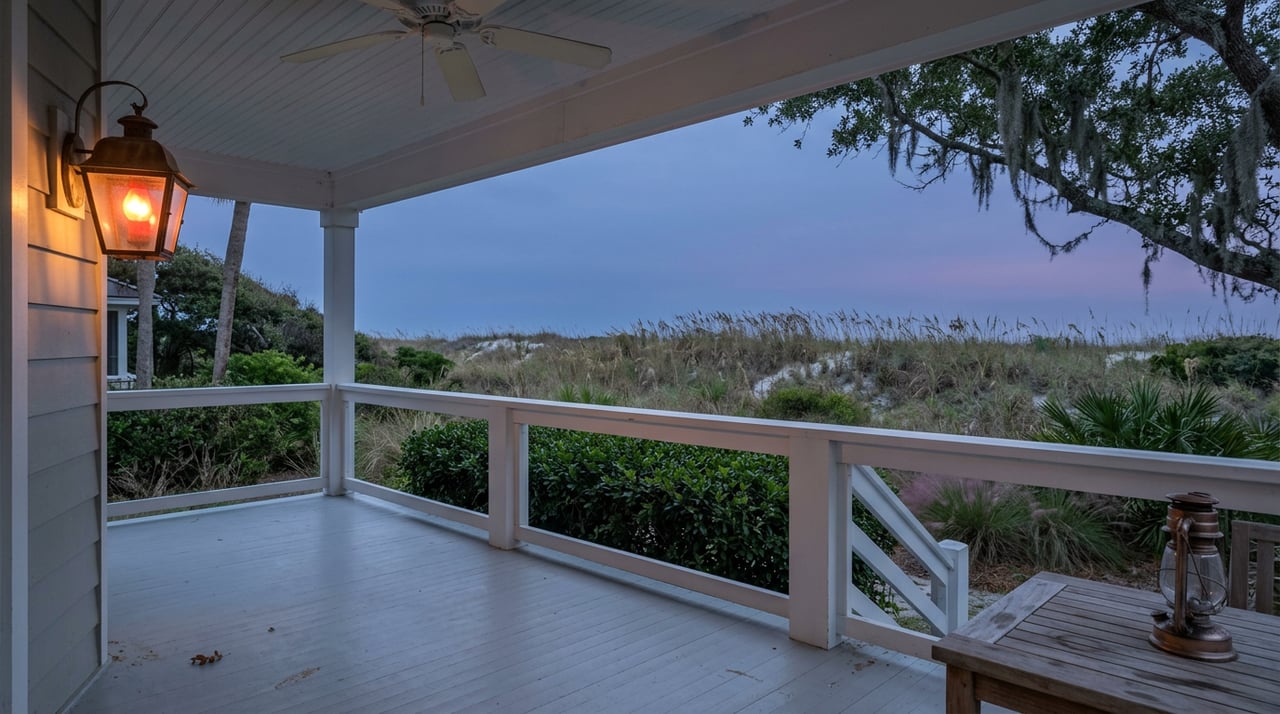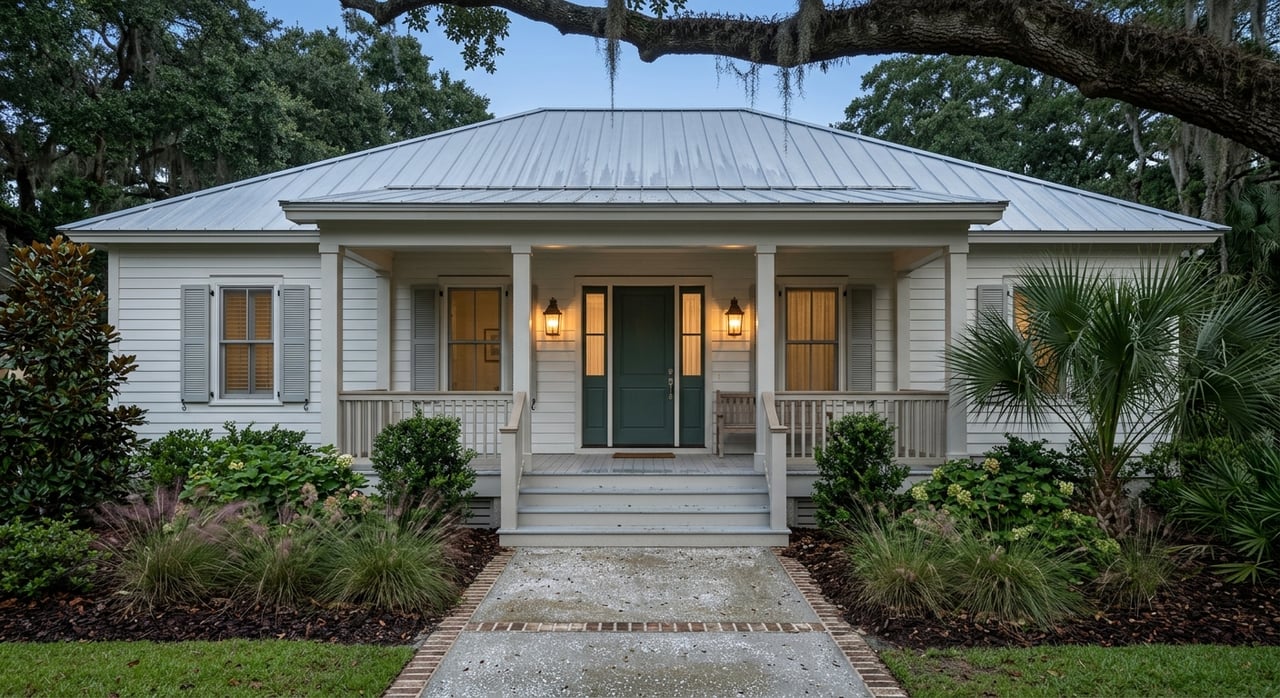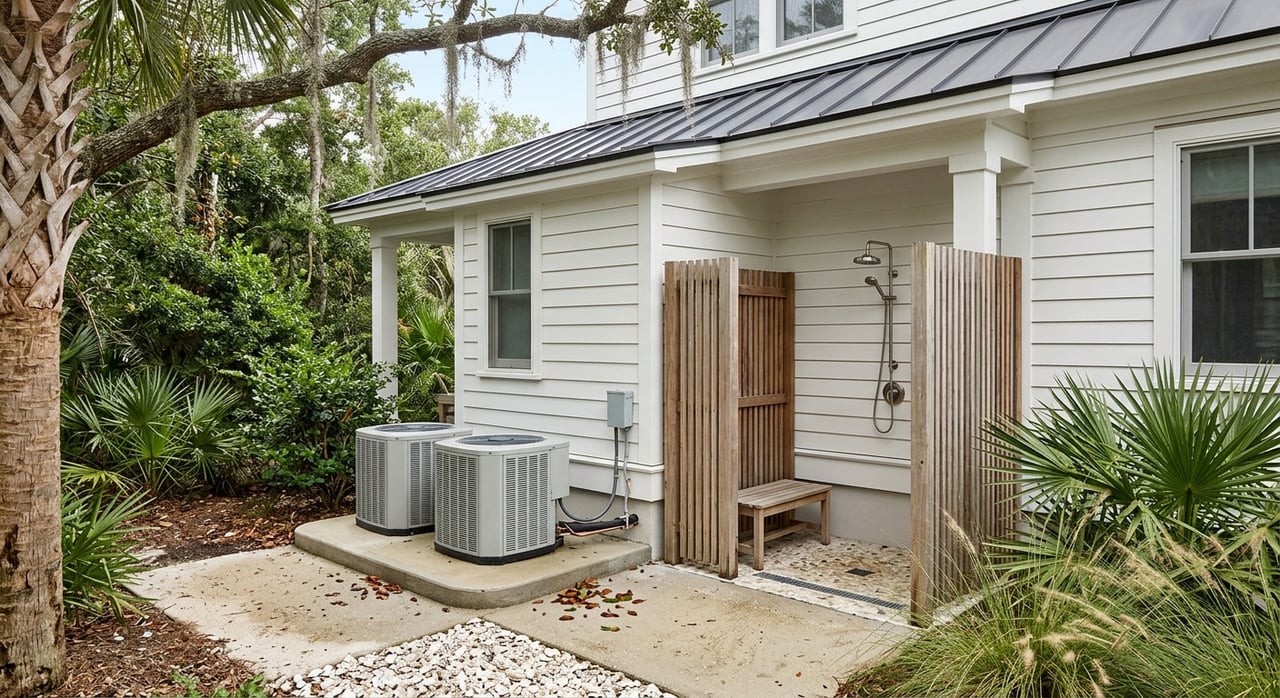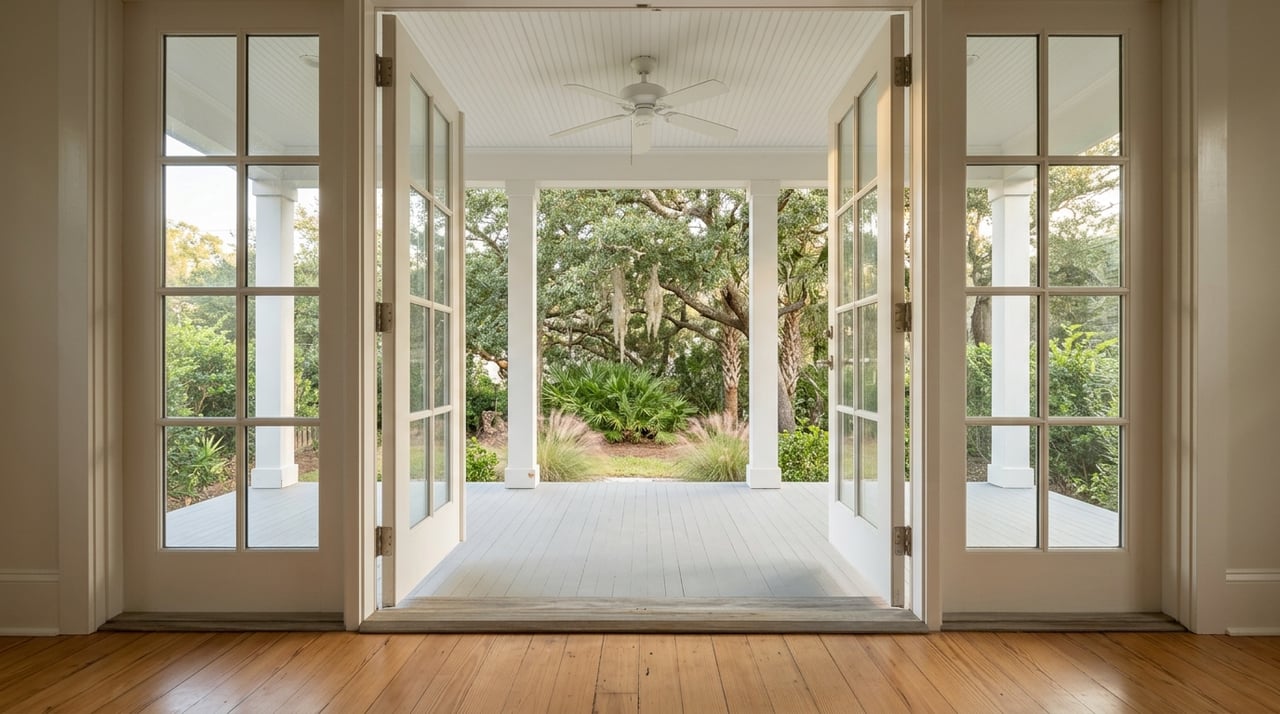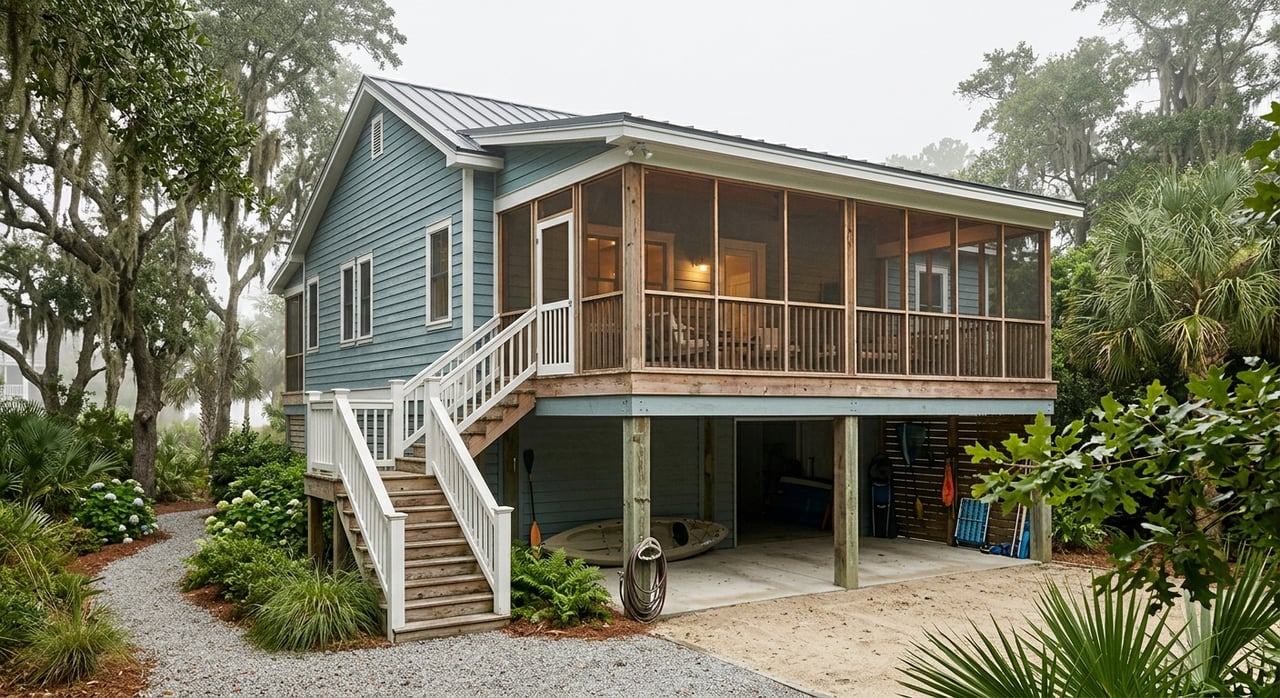
Wondering if owning on Jekyll Island feels like buying a beach house, joining a quiet coastal retreat, or stepping into something a little different? The honest answer is all three. If you are thinking about a second home, relocation, or an island property you may also rent part-time, it helps to understand how Jekyll really works day to day. This guide walks you through the ownership model, the weekly lifestyle, and the practical details that shape life on the island. Let’s dive in.
Jekyll ownership works differently
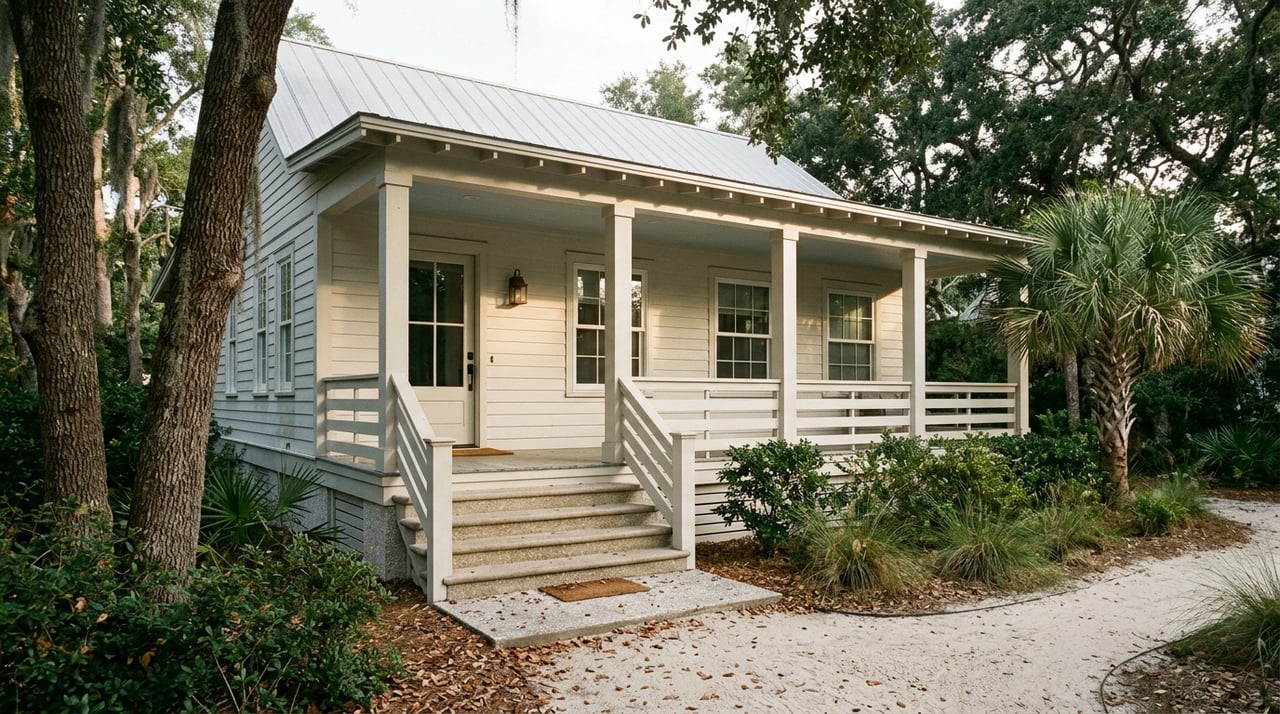
Owning on Jekyll Island is not the same as owning a typical fee-simple property in most beach communities. The land is owned by the State of Georgia and leased through the Jekyll Island Authority, while private owners own the home or other improvements on the site.
That means when you buy on Jekyll, you are buying into a leasehold system. Current residential leases run from 2049 to 2088, depending on the property. At the end of the lease, title to any remaining improvements goes to the Jekyll Island Authority.
For many buyers, this is the most important thing to understand up front. It does not make ownership impossible or unusual for the island. It simply means you need to evaluate a Jekyll purchase on Jekyll’s terms, not by comparing it to a standard mainland ownership model.
What costs come with Jekyll ownership?
In addition to the purchase price, owners are still responsible for property taxes, maintenance fees, and annual lease rent. According to the Jekyll Island Authority, annual lease rent is calculated at 0.4% of the fair market value of the leased land.
If you plan to rent your property, there are extra layers to know. Owners need a rental license, and overnight rentals also require percentage rent equal to 3% of gross rental revenue.
These details matter because they affect your monthly and annual carrying costs. If you are buying for personal use, part-time use, or investment, you want the full picture before you make a decision.
Daily access has a park-style system
Life on Jekyll also includes an island access fee for vehicles. Standard vehicles currently pay $10 per day or $100 per year, while bicycles and pedestrians enter at no charge.
Annual passes are tied to the vehicle, and temporary vehicle updates are allowed up to six times each year if completed before arrival. The fee helps support roads, landscaping, restrooms, public safety, conservation, historic preservation, picnic areas, and the guest information center.
For owners, this becomes part of the island routine rather than a surprise. It is one more example of how Jekyll functions as a managed coastal environment, not just a conventional subdivision.
The lifestyle is quiet, scenic, and easygoing
What does a normal week feel like once you are settled in? For most owners, the appeal is not nonstop activity. It is the steady rhythm of simple routines in a beautiful setting.
You might start the day with a beach walk at sunrise, take a bike ride under the trees, run a few errands, and head out later for lunch, golf, or tennis. Some evenings stay quiet, while others revolve around seasonal events, dinners out, or time with visiting family and friends.
That pace is a big part of Jekyll’s charm. If you want a highly managed island with natural beauty, outdoor access, and a calmer feel, Jekyll delivers that well.
Beaches shape everyday life
Jekyll Island has 10 miles of beaches, and each area offers a different experience. Driftwood Beach is known for its striking driftwood formations, while Great Dunes includes a 20-acre beachfront park with parking and picnic pavilions.
South Dunes offers an overlook, grills, and a freshwater pond nearby. St. Andrews is marsh-facing, and Glory Beach is known for its broad, open stretch of dunes and shoreline.
Several beach access points are ADA-accessible, and beach wheelchairs are available at no cost. For owners, that means beach time can be flexible and varied instead of feeling repetitive.
Biking is part of the island routine
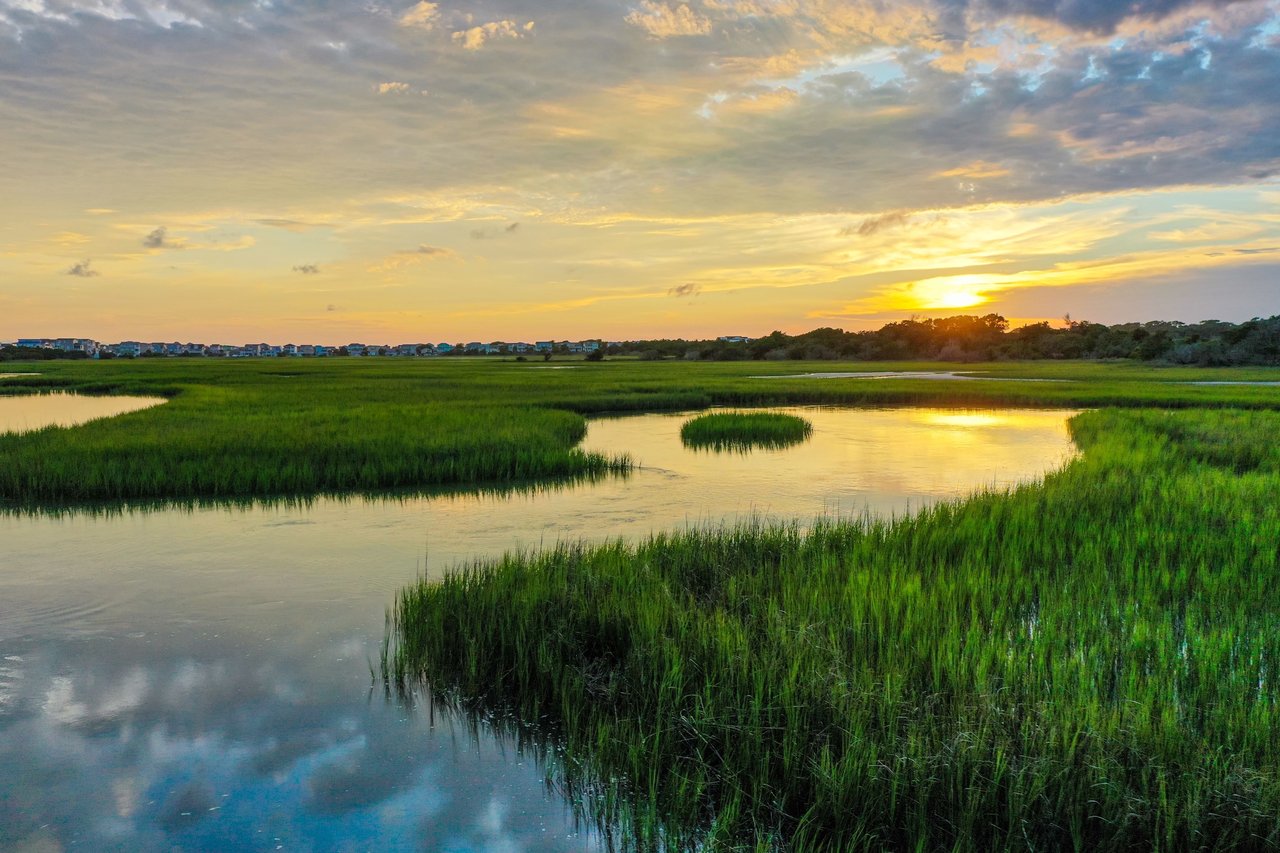
If there is one activity that defines the Jekyll lifestyle, it may be biking. The island has 24 miles of bike trails that connect marsh views, oceanfront stretches, maritime forest, and the Historic District.
Official trail routes include the North Loop, South Loop, and Historic District paths. That gives you a practical and scenic way to move through the island without every outing needing to involve the car.
Bike rentals and maintenance are available on the island too. For many owners, bikes become less of a vacation novelty and more of an everyday tool.
Recreation goes beyond the beach
Jekyll offers more than shoreline and trails. The island also has 54 holes of golf, 13 Har-Tru clay tennis courts, kayaking, paddleboarding, and walking and running routes.
The Georgia Sea Turtle Center adds a year-round educational and conservation presence that many owners enjoy. That gives the island an active side without pushing it into a high-energy resort atmosphere.
This matters if you want variety in your routine. You can stay busy on Jekyll, but you do not have to.
Errands are limited but workable
One of the biggest practical questions buyers ask is simple: can you actually live here comfortably? For many owners, the answer is yes, as long as you understand that island convenience is compact rather than expansive.
Jekyll Market serves as the island’s grocery anchor. It offers staples and specialty items, along with meat, seafood, produce, deli and bakery selections, beer and wine, and prepared food counters.
Beach Village adds another cluster of shopping options, and island dining ranges from casual spots to fine dining. You will find choices for breakfast, coffee, lunch, dinner, outdoor seating, pet-friendly dining, and water views.
In daily life, that usually means your basics are close by, even if your options are naturally smaller than they would be in a larger city. For second-home owners, that balance often feels just right.
The Historic District adds depth
Jekyll is not only about beach access and recreation. The Historic District gives the island another layer, with places and programs that make ownership feel more rooted and interesting over time.
Official island resources highlight the Jekyll Island Club Resort, the Mosaic museum, and guided trolley and history programming. That means a normal week can include more than outdoor activities.
For many owners, this mix is part of the island’s staying power. It feels scenic and relaxed, but not one-note.
Events create a social rhythm
Jekyll’s annual calendar helps shape the ownership experience too. Signature events include Island Treasures, District After Dusk, Riverside Live, Turtle Crawl, Independence Day Fireworks, the Shrimp & Grits Festival, Cold-Stunned Plunge, and Holly Jolly Jekyll.
These events give the island a familiar rhythm across the seasons. Some owners enjoy planning visits around them, while full-time or frequent owners appreciate the way they bring energy without overwhelming the island’s quieter character.
If you are considering a second home, this matters more than you might think. A place feels easier to return to again and again when the calendar gives you something to look forward to.
Ownership also means living with coastal rules
Jekyll’s setting is beautiful, but it also requires awareness. The Jekyll Island Authority notes that beach and marsh areas are the most flood-prone, and floodwaters can cover streets by two to three feet.
The island uses Nixle for emergency alerts and community notifications, and residents must register with ZIP code 31527 to receive island notices. Jekyll also follows Georgia’s statewide re-entry system after disasters and is recognized as a Firewise Community.
For buyers, the takeaway is simple. Coastal ownership here comes with systems, alerts, and planning that are part of responsible island living.
Conservation is part of daily life
On Jekyll, conservation is not just a background idea. It shows up in everyday routines, especially during sea turtle nesting season.
From May through October, flashlights are prohibited on or near beaches unless turtle-safe lighting is used. The Georgia Sea Turtle Center also offers summer beach programs that connect residents and visitors to the island’s conservation efforts.
If you love the natural side of coastal living, this can be a real positive. The rules are part of how the island protects the landscape that draws people here in the first place.
Who tends to love owning on Jekyll?
Jekyll Island tends to fit buyers who want a quieter coastal experience with strong natural character. It often appeals to second-home buyers, retirees, and remote owners who value scenery, outdoor access, and a more measured pace.
It can also work well for owners who appreciate structure. Because the island is highly managed, many of the rules, fees, and systems are designed to preserve the setting and keep the island functioning smoothly.
If you want a high-rise beach scene, a large commercial district, or a conventional ownership setup, Jekyll may not be your best match. If you want nature, routine, and a distinctive coastal lifestyle, it may feel exactly right.
What to think through before you buy
Before you buy on Jekyll Island, it helps to look at the full ownership picture:
- Understand the leasehold structure and the remaining lease term for the specific property
- Review annual lease rent, taxes, maintenance obligations, and any other ownership costs
- Confirm whether you plan to use the property personally, rent it, or do both
- Learn the rental license rules and percentage rent requirements if short-term rental use matters to you
- Think honestly about island access, storm planning, and the rhythm of a more managed coastal setting
- Make sure the island’s quieter, nature-forward lifestyle matches how you actually want to spend your time
That kind of clarity can save you stress later. It also helps you buy with confidence instead of surprises.
Owning on Jekyll Island is less about buying into a standard neighborhood and more about becoming part of a preserved, park-based coastal system. For the right buyer, that is exactly the appeal. If you want thoughtful guidance on Jekyll Island homes, second-home strategy, or property management support for remote ownership, Linda Williams can help you make a smart, well-informed move.
FAQs
What does leasehold ownership on Jekyll Island mean?
- Leasehold ownership on Jekyll Island means you own the home or improvements, but the land is owned by the State of Georgia and leased through the Jekyll Island Authority.
What fees do Jekyll Island homeowners pay?
- Jekyll Island homeowners may pay property taxes, maintenance fees, annual lease rent, and if they rent overnight, licensing requirements plus 3% of gross rental revenue in percentage rent.
What is daily life like for Jekyll Island owners?
- Daily life on Jekyll Island often includes beach walks, bike rides, casual errands, dining out, and low-key recreation like golf, tennis, kayaking, and seasonal events.
Can you rent out a home on Jekyll Island?
- Yes, but Jekyll Island owners must meet Jekyll Island Authority rental rules, including obtaining a rental license, and overnight rentals are subject to percentage rent.
What makes Jekyll Island different from other coastal communities?
- Jekyll Island stands out because it combines leasehold ownership, managed island infrastructure, strong conservation rules, and a quiet nature-focused lifestyle.
Is Jekyll Island a good fit for second-home buyers?
- Jekyll Island can be a strong fit for second-home buyers who want a calm coastal setting, outdoor access, and a more structured ownership environment.