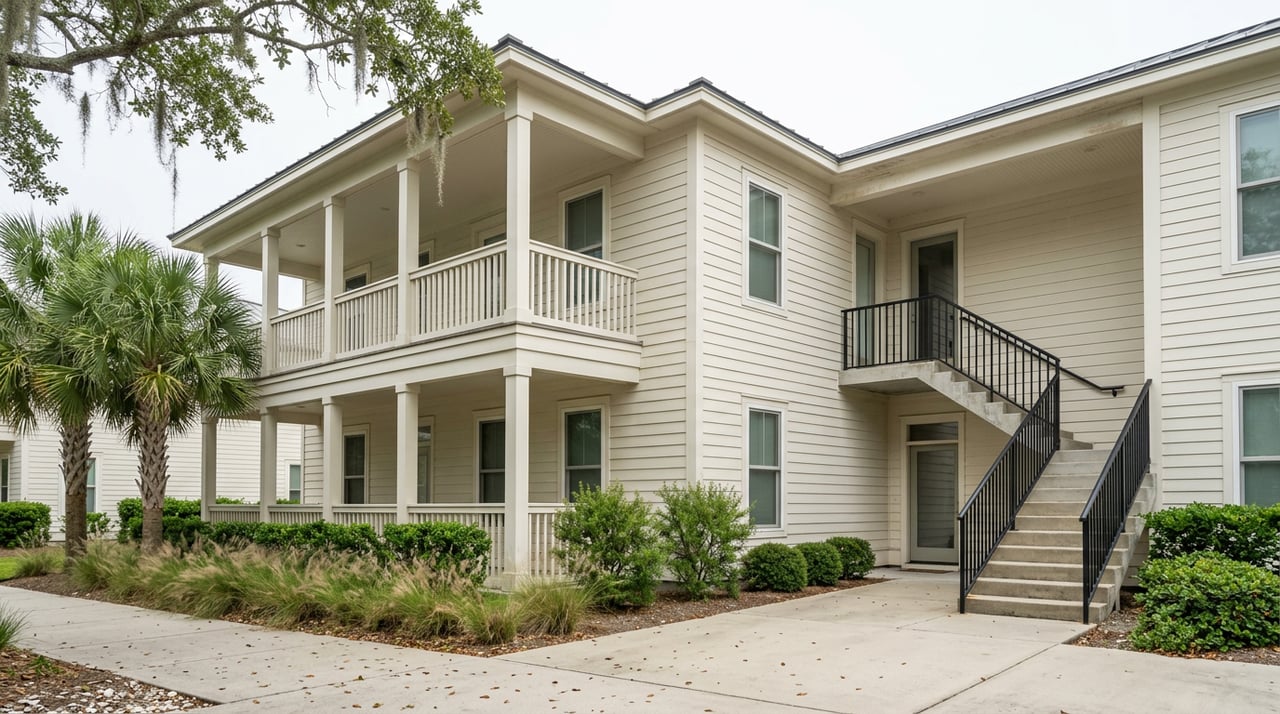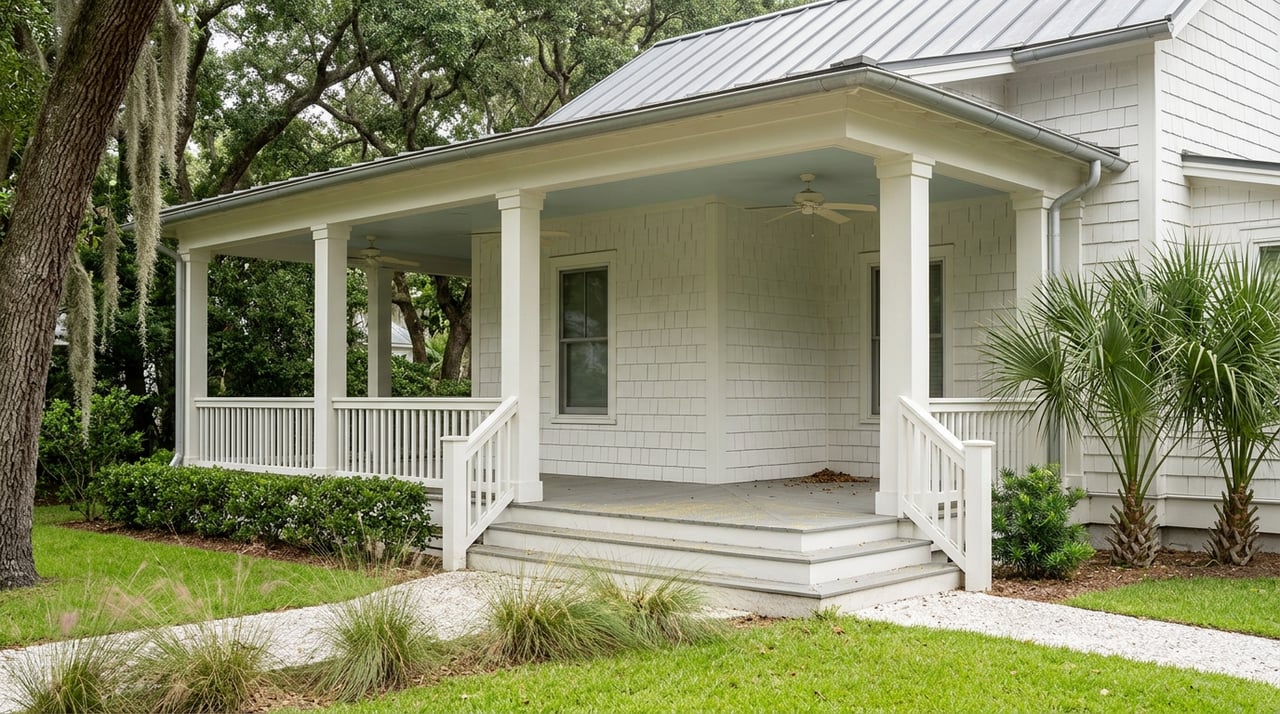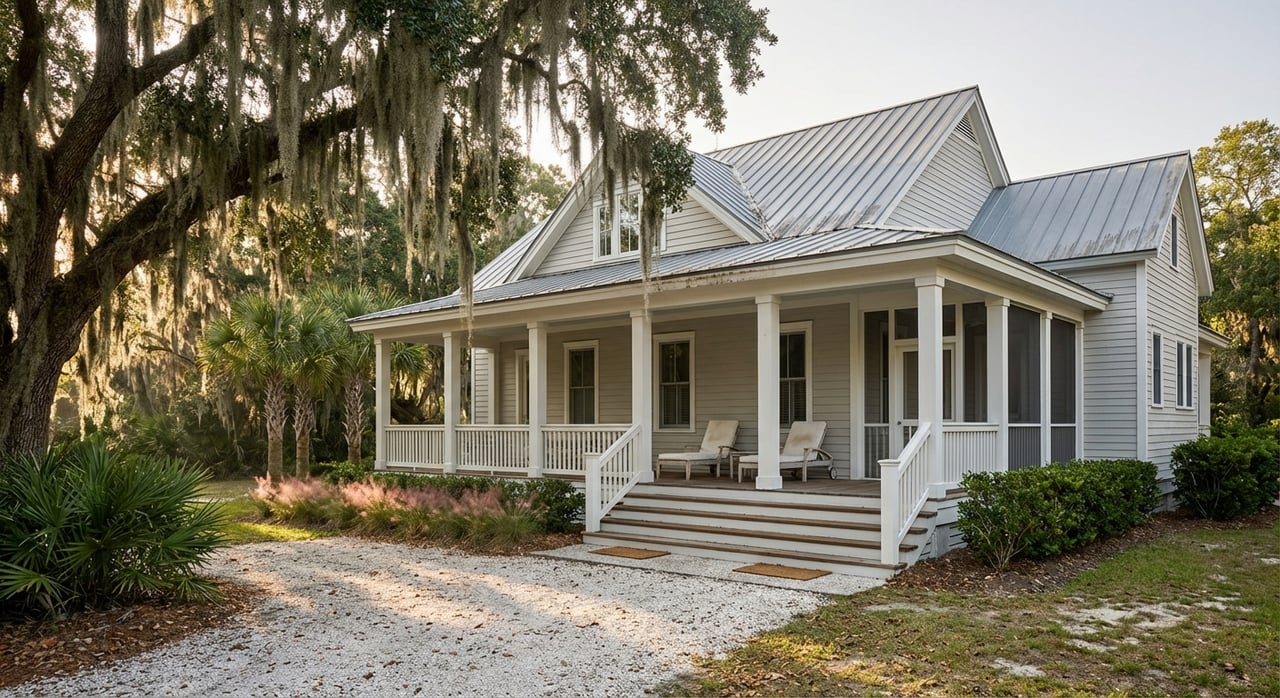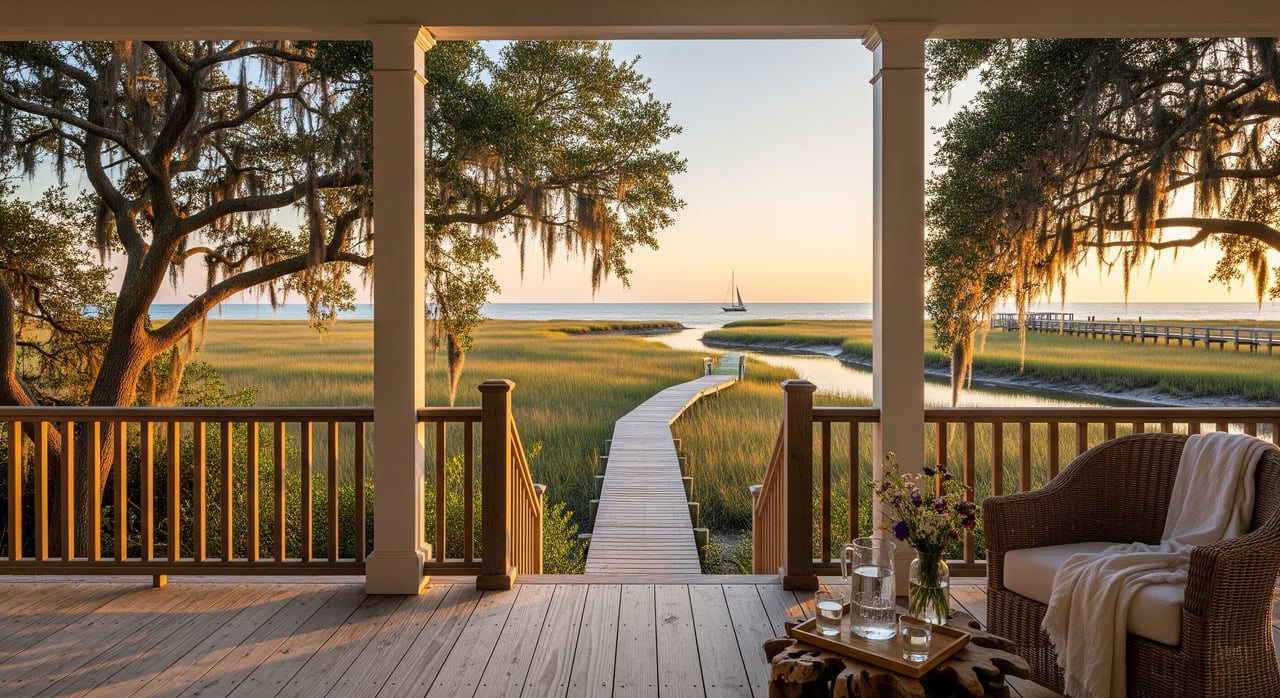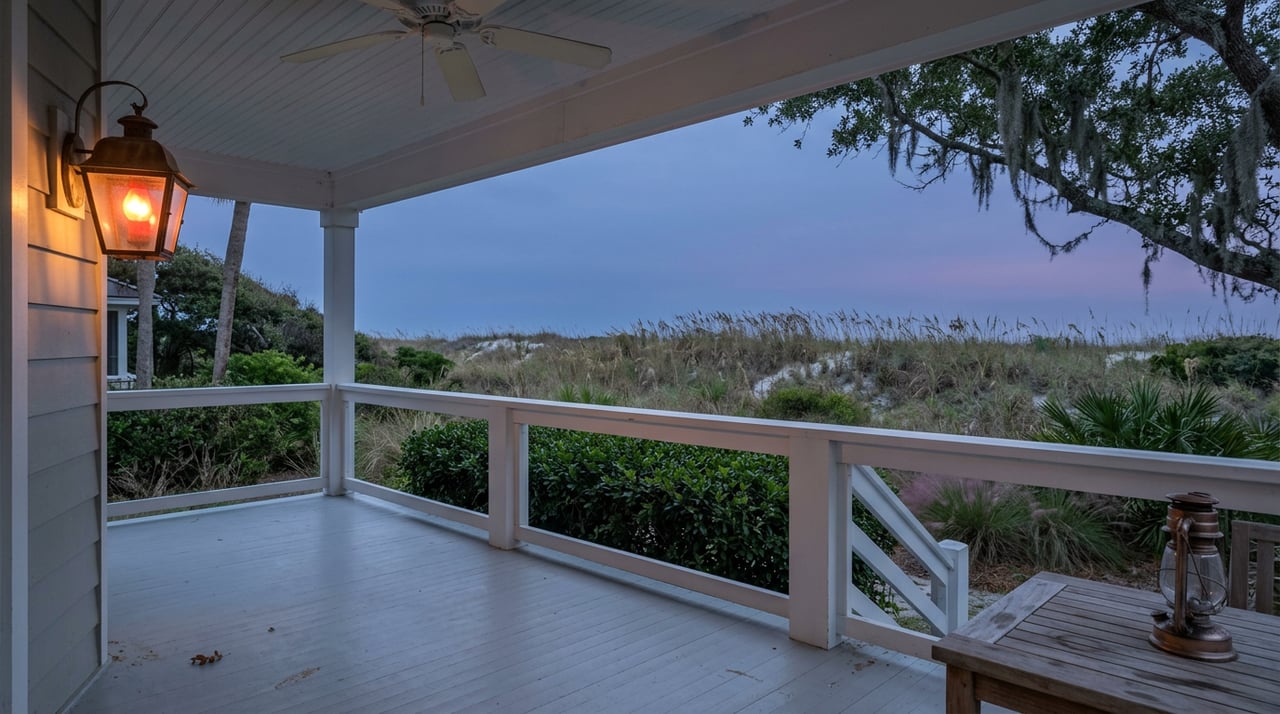
Somewhere between the first hot night in May and the last warm morning in October, Jekyll stops being a beach and starts being a nursery. You feel it in the small adjustments: the porch bulb you swap out, the sandcastle your neighbor knocks down at sunset, the red-filtered flashlight that lives by the door from Memorial Day until the school buses start running again. The island's summer identity is not the fireworks or the Beach Village crowds. It is the loggerhead calendar, and the households that pay attention to it are the ones who get the season right.
Here is the thesis worth holding onto: on Jekyll, sea turtle nesting has quietly shifted from a spectator event to a resident-participation model. The Georgia Sea Turtle Center still does the science, but the nest count now depends on what happens on private porches, in vacation rental turnovers, and on the stretch of beach in front of your house.
The season, in one glance
| Window | What is happening on the beach | What residents do |
|---|---|---|
| May 1 – late May | First crawls; nesting begins | Beach lighting ordinance in force; red flashlights only |
| June – July | Peak nesting; guided walks operate | Turtle Walks and Night Patrol rides open to the public |
| August – September | Hatching peaks | Fill in holes, remove chairs and tents nightly |
| October | Season closes | Last hatchlings emerge; tracker archives the year |
The dates are not decorative. Nesting begins in May and can last until August, and the loggerhead accounts for roughly 95% of nests on the island. Hatching typically follows in August and September. If you own a home here, your calendar overlaps with theirs for about five months.
What last year actually looked like
Baselines matter, because "a lot of turtles nest here" is the kind of sentence a visitor writes. The number a resident should know is this: last year, Jekyll Island recorded 131 nests and more than 11,300 hatchlings successfully made their journey to the ocean. That is roughly 86 hatchlings per nest that actually reached the surf, which is not the same as eggs laid. The gap between eggs and ocean is where household behavior lives. Predators, tidal wash, and disorientation from artificial light all take their cut.
For context on why Jekyll carries so much of the load, most Georgia nesting occurs on Blackbeard, Ossabaw, and Cumberland Islands, but those islands have limited public access, so visitors who want to experience nesting head to Jekyll. Jekyll is the only place in the state where a working nesting beach sits alongside neighborhoods, short-term rentals, and a hotel corridor. The island is running a conservation program and a hospitality economy on the same sand.
The new tracker changes what you can do from your couch
For years, the honest answer to "where are the nests right now" was "call the hotline or wait for a walk." That changed this spring. Sea turtle nesting season commenced on Jekyll Island in May, and a new live Sea Turtle Tracker launched, enabling visitors to monitor active nest locations across the island; Jekyll's beaches serve as vital nesting grounds for loggerhead sea turtles from May through October. The tracker offers a real-time way to follow the nesting season while learning about the ongoing conservation work.
For a homeowner, the tracker is a planning tool. If you know where nests sit relative to your access path, you know which walk-over to use with guests, where not to set up chairs for a weekend family visit, and which stretch to steer the dog leash away from at dusk. It also gives you a way to explain the season to renters or grandchildren without giving a lecture.
If you see a sea turtle or a sea turtle crawl, the Georgia Sea Turtle Center hotline is (912) 215-5046, staffed during nesting and hatching. Program it into your phone before Memorial Day.
The five habits that separate residents from tourists
Beach etiquette here is not general. It is specific, and the specifics come from the Jekyll Island Authority and the Georgia Sea Turtle Center rather than a generic coastal template.
- Swap the porch bulb. Turn off lights at night, as artificial light can disorient nesting sea turtles and hatchlings; flashlights are prohibited on Jekyll Island beaches during sea turtle season unless they are turtle-safe red flashlights. Red filters or cellophane are not a substitute. Only turtle-safe red flashlights count, and red filters or red cellophane are not turtle-safe.
- Knock down what you built. Keep the sand smooth by knocking down sandcastles and filling in holes before you leave the beach. A knee-deep hole is a hatchling trap. A moat is a moat.
- Take everything with you at sundown. Remove all beach accessories including chairs, umbrellas, tents, and toys. A turtle that hits a folding chair in the dark tends to turn around and try again the next night, if she tries again at all.
- Leave the tracks. Leave turtle tracks alone, because researchers rely on them for surveys. The zigzag in the sand outside your walk-over is data.
- Read the ordinance once. The beach lighting rules apply to every oceanfront property, including short-term rentals. If you own one and it turns over on Saturdays, the lighting audit is a June task, not an August one.
None of this is punitive. It is the price of the view.
The guided programs worth booking early
The two Georgia Sea Turtle Center experiences that residents keep recommending to visiting family are the Turtle Walk and the Night Patrol ride. Both fill up.
Visitors who want to take a turtle walk should plan to visit between June 1 and July 28, learning about the loggerhead life cycle, population threats, and ways to contribute to sea turtle conservation; reservations are required, programs fill quickly, participants must be six years of age or older, and groups max out at 25 people. That is a narrow window and a small group size, which is why "we tried to book last week" is a summer refrain at every dinner table.
The deeper experience is a ride-along. The Georgia Sea Turtle Center runs Night and Dawn Patrol programs where participants join a sea turtle field biologist to patrol Jekyll's beaches in an all-terrain vehicle to find nests, observe inventories, and check for signs of predators. If a friend is visiting once this decade and wants the story to tell, this is the one.
For families cycling through with kids, June and July week-long day camps at the center nurture curiosity about science, animals, and conservation. Camp weeks book quickly in the spring, so grandparents who host in July should be looking at registration in February.
The season is not only about the beach
One reason nesting feels ambient here rather than staged is that the work runs all year and covers more than turtles. With May 1st marking the official start of turtle nesting season along the Georgia coast, the Georgia Sea Turtle Center is already busy patrolling Jekyll Island's causeway for diamondback terrapins and beaches for nesting sea turtles. If you drive the causeway in late May and see someone easing a small turtle off the asphalt, it is almost certainly a terrapin, not a hatchling.
The Georgia Sea Turtle Center and Jekyll Island Foundation donors have partnered for nearly ten years in diamondback terrapin rescue, research, and protection efforts focused on decreasing terrapin road mortality rates. The new causeway fencing installed with ANIMEX is why fewer nesting mamas are getting hit than a decade ago.
Marsh-side, the season shows up differently. Guided kayak tours through Jekyll's tidal creeks, bookable through 4-H Tidelands Nature Center, offer paddling through the marshes with chances to spot loggerhead turtles as well as herons, pelicans, dolphins, and manatees. A resident tip: the manatee sightings tend to cluster earlier in the summer than most visitors expect.
The releases that pull a crowd
The other public moments worth watching your inbox for are the rehab releases at the beach. They are not scheduled far in advance because they depend on the animal being ready.
The first of 2026 came in April, when a green sea turtle named Carnegie returned to the ocean at Jekyll Island after months of rehabilitation at the Georgia Sea Turtle Center, having been found on Cumberland Island in November 2025 in poor condition. In June, three turtles named Peachy, Goosie, and Pickles, all found weak and sick earlier this year, were released after months of specialized care rebuilding their immune systems. If you keep an eye on the center's social channels between April and September, you can usually be on the sand within a day or two of a release announcement.
What the season asks of an absentee owner
If your Jekyll home is a second home or a rental, the season is a management item, not a hobby. The three questions worth asking your property manager before May:
- Are all oceanside-facing exterior fixtures either off, shielded, or fitted with turtle-safe bulbs from May 1 through October 31?
- Does the turnover checklist include a beach sweep for chairs, umbrellas, and toys before sunset?
- Do renters receive the hotline number and a short note on lighting and holes as part of the welcome packet?
Those three items are what separates a house that helps the nest count from one that quietly hurts it. They are also what separates a listing that reads as "island-run" from one that reads as "flown in."
The turtles do not care who owns the house. The next morning's patrol just records what happened between dusk and dawn.
If you own a home on Jekyll and want a property manager who treats nesting-season protocols, lighting audits, and turnover checklists as part of normal stewardship, Coastal Georgia Real Estate is built for exactly this kind of ownership. Schedule a free consultation with Linda and the team, and we will walk your property before Memorial Day.